




Moulded Glass Sculpture
These moulded glass sculpture pieces combine striking form with tactile weight, offering the collector a masterclass in early twentieth-century design.

Moulded Glass Sculpture
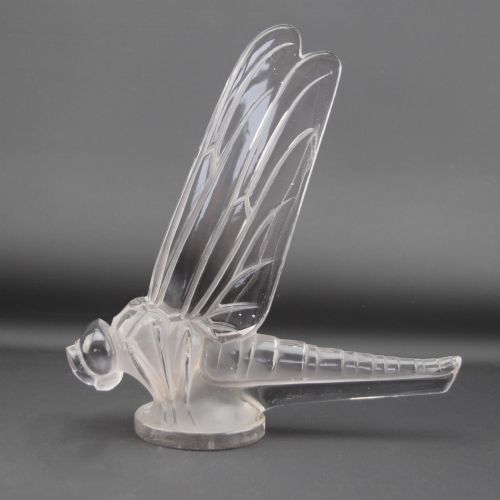
When you search for moulded glass sculpture, you encounter distinct decorative objects from the early decades of the twentieth century, particularly the 1910s, 1920s and 1930s. The selection on this page centres heavily on French decorative arts from the Art Deco and Art Nouveau periods, showcasing exceptional design mastery.
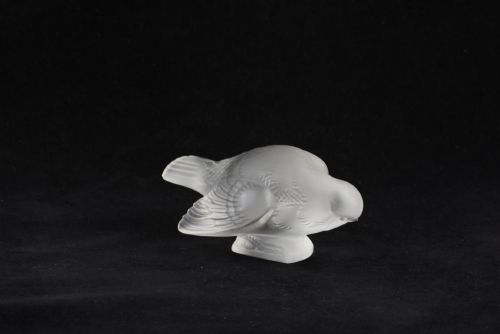
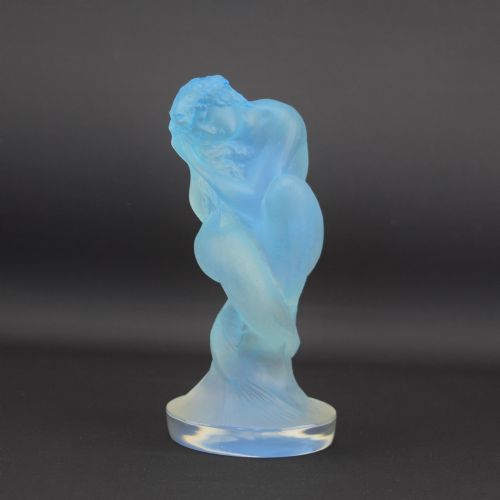
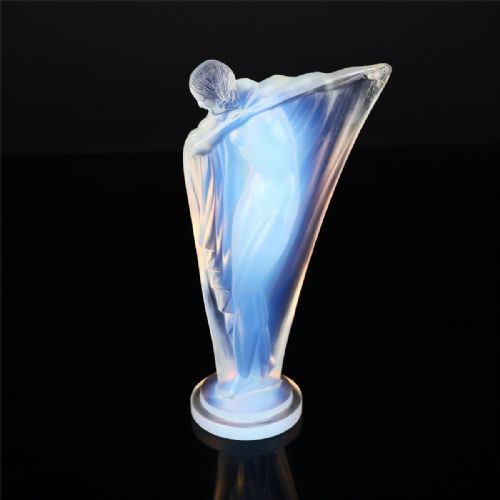
The forms span a fascinating variety of functional and purely decorative items, with car mascots, paperweights and statuettes predominating. You will frequently find avian and animal subjects alongside female figures, reflecting the prevailing aesthetic tastes of French studios during the interwar years.
Materials and methods
The pieces rely on specialised glass compositions, most notably frosted, opalescent and clear moulded glass, sometimes paired with metal or wood mounts. Makers utilised precise pressing and moulding techniques to achieve the characteristic depth and relief of each design.
Surface finishes received meticulous attention, with makers employing frosting and subtle colour variations to catch the light. The interplay between transparent and opaque sections defines the visual impact of these works.
Early motorists frequently risked smashing expensive glass sculptures on radiator caps while driving down bumpy country lanes.
Distinguishing quality
Quality rests upon the crispness of the moulding and the subtlety of the glass texture, where sharper detail elevates a piece significantly. The graduation of opalescence across the contours demonstrates superior technical control during the cooling process.
The artistic strength of the design and the balance of the silhouette separate standard production items from truly compelling works. A well-executed finish enhances the tactile appeal of the material without obscuring the underlying modelling.
Rene Lalique·Etling·Lucille Sevin·Marius Ernest Sabino
The Moulded Glass Sculpture Glossary
- Car Mascot
- A decorative ornament mounted on the radiator cap of a motor car during the early twentieth century. Many were cast in glass and illuminated from below.
- Opalescent Glass
- Glass that diffuses light to display milky bluish tones in transmitted light and warm amber tones in reflected light. This effect creates a striking visual depth.
- Frosted Glass
- Glass treated to achieve a matte, non-reflective surface texture. This finish highlights the sculptural contours of the piece.
- Cachet
- A desk seal or stamp featuring an engraved base and a decorative handle. Examples in moulded glass serve as miniature sculptures.
Moulded Glass Sculpture: Frequently Asked Questions
How do I display a glass car mascot?
These pieces sit well on dedicated metal display stands or lit bases that allow light to pass through the glass. Proper illumination brings out the opalescent and frosted qualities of the material.
Keep them away from direct sunlight in rooms with stable temperatures to protect the glass integrity over time.
What is the difference between a paperweight and a statuette?
Paperweights are generally smaller, heavier objects designed to anchor loose sheets while fitting comfortably in the hand. Statuettes and figurines are larger sculptural pieces intended purely for visual display.
Both categories share the same mastery of moulded glass technique from the same period.
How do I identify Art Deco pieces?
Art Deco designs favour streamlined symmetry, stylised animal forms and geometric precision. These contrast with the more organic, flowing lines found in earlier Art Nouveau works.
The subject matter often includes sleek birds of prey and dynamic human figures.
Are these pieces fragile?
While made from durable heavy glass, they require careful handling due to protruding details like wings or feathers. Placing them on secure, level surfaces prevents accidental tipping.
Regular dusting with a soft cloth keeps the surface clean without risking abrasion.