


Cast Bronze Canine Sculpture
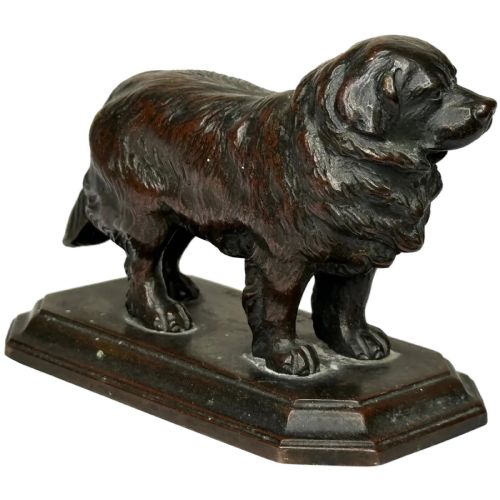
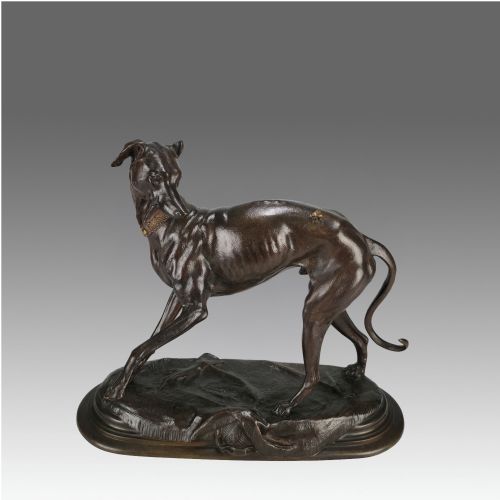
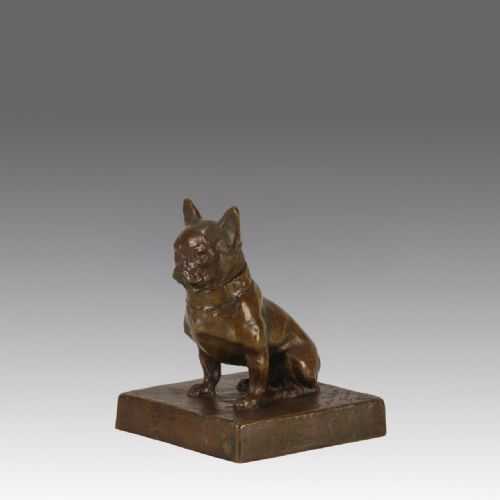
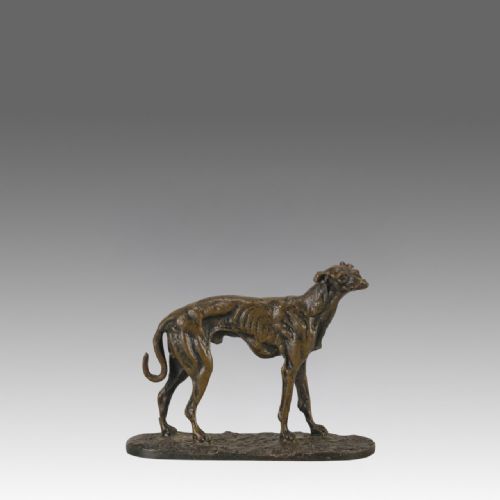
These cast bronze canine sculpture pieces capture dog forms from the nineteenth and early twentieth centuries in enduring metal.
Cast Bronze Canine Sculpture
A cast bronze canine sculpture represents dog breeds through various historical periods, including Victorian, Edwardian, and Art Deco eras. Buyers frequently encounter French animalier school models and Vienna bronzes upon this page.
The selection spans from small domestic table figures and bookends to car mascots, inkwells, and larger animalier studies. Domestic breeds such as greyhounds, bulldogs, terriers, and spaniels dominate the forms recorded in the evidence.
What varies in quality
The precision of anatomical modelling and surface chasing separates superior casts from simpler commercial productions. Stronger pieces display crisp musculature, accurate breed characteristics, and expressive postures.
The quality of the original patina or the preservation of cold painted surfaces dictates the visual appeal of a cast bronze canine sculpture. Foundry marks and artist signatures often indicate higher standards of period execution.
Listings span the nineteenth century, Victorian era, Meiji period, and Art Deco style using bronze, marble, timber, and paint.
Alfred Barye·Dora Heber·P J Mêne·Antoine Louis Barye·Edith Parsons·Arthur Waagen·Joseph Francois Victor Chemin·Louis Riche·Barbedienne·L. Bureau
The Cast Bronze Canine Sculpture Glossary
- Animalier
- A nineteenth-century artistic movement focused on the realistic depiction of animals. Practitioners specialised in rendering the dynamic forms and behaviours of wildlife and domestic pets.
- Cold Painted
- A colouring technique where paint is applied to bronze without heat firing. This method allowed makers to achieve vibrant, multicolored surfaces on small cabinet figures.
- Patina
- The surface coloration and sheen developed naturally over time or applied chemically to bronze. It protects the metal and defines the sculptural contours.
- Vienna Bronze
- Small, highly detailed bronze figures produced by Austrian workshops around nineteen hundred. They are particularly known for their intricate cold painted finishes.
Cast Bronze Canine Sculpture: Frequently Asked Questions
What is animalier bronze?
Animalier bronze describes sculptural work dedicated to realistic representations of animals, which gained immense popularity during the nineteenth century across Europe. These pieces focus heavily on accurate anatomy and natural movement.
Artists observed creatures closely in menageries and domestic settings to translate live posture into cast metal. The resulting objects range from dramatic hunting scenes to quiet studies of pet dogs.
Were these dogs used as bookends?
Certain cast bronze canine sculpture designs functioned as practical desk accessories, including bookends and heavy inkwells. Makers adapted animal figures to support books or house stationery.
These functional pieces combine decorative artistic merit with utility. They reflect the Victorian and Edwardian preference for ornamented desktop items.
What period do these dog sculptures date from?
The available pieces primarily date from the nineteenth century through the early twentieth century, encompassing the Victorian, Edwardian, and Art Deco periods. Japanese Meiji period examples also appear among the offerings.
Stylistic shifts reflect changing tastes from naturalistic animalier studies to sleek modernist forms. Dates are typically established through maker signatures, casting style, and historical foundry records.