
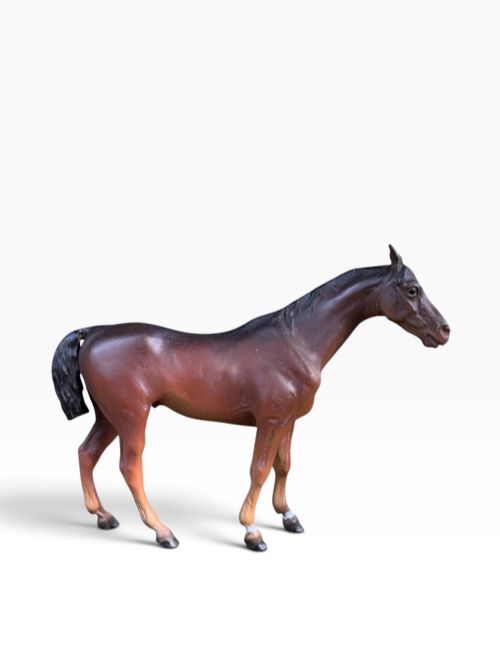
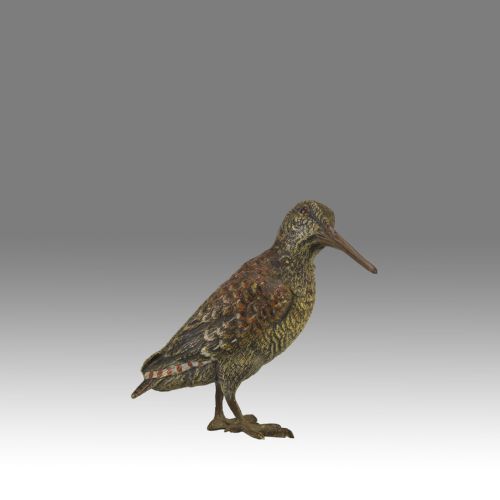
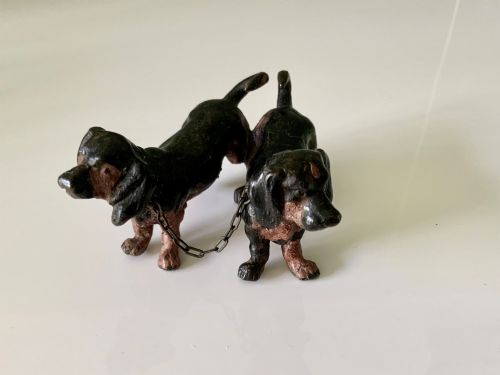
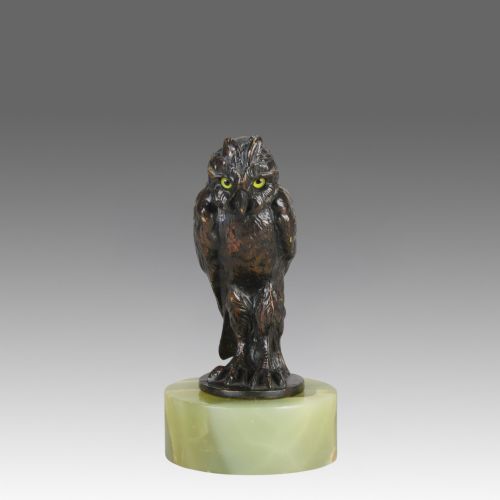


Vienna Cold Painted Animal
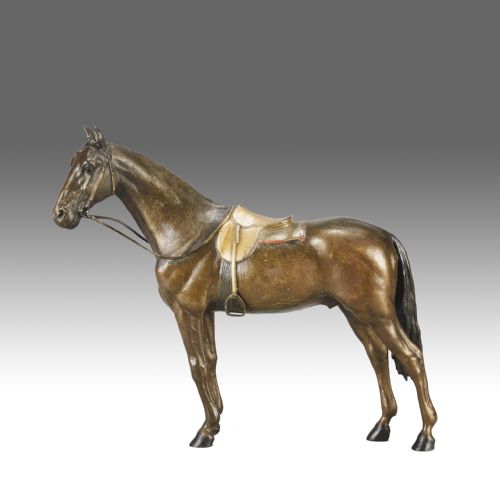
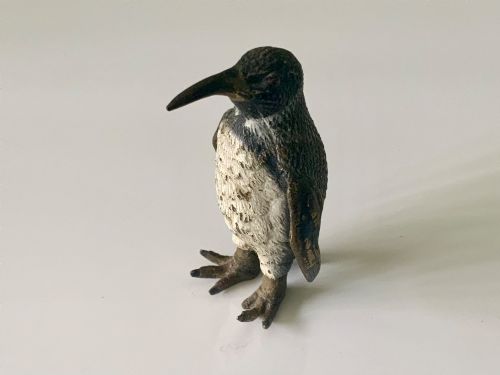
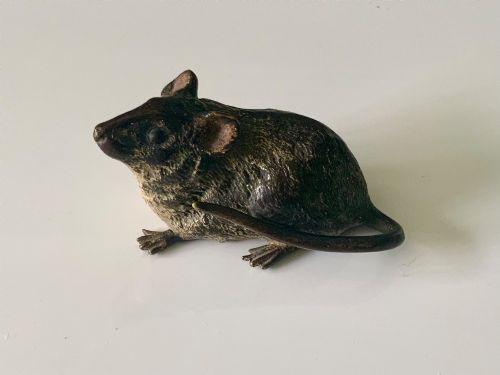
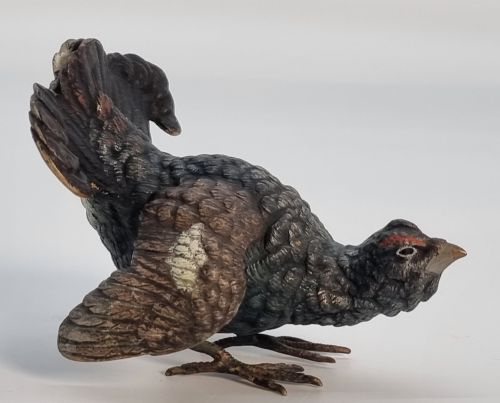
These small bronze animal figures carry bright layers of polychrome pigment, bringing domestic pets and wild creatures to life.
Vienna Cold Painted Animal
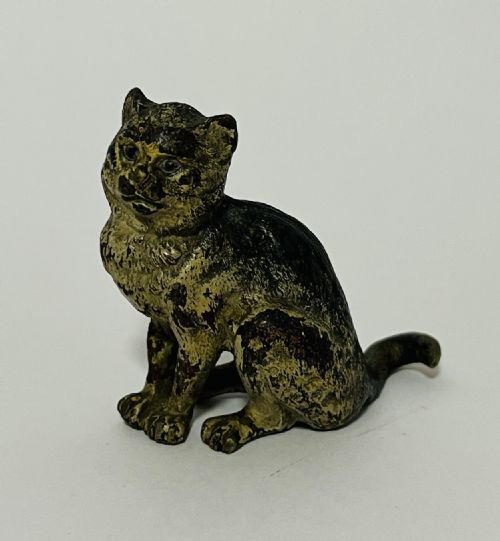
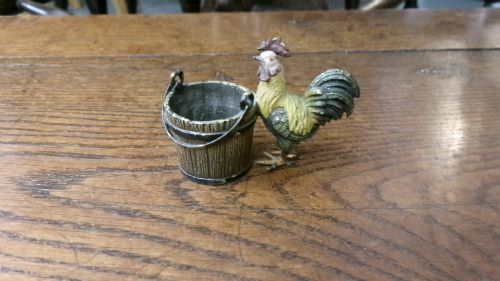
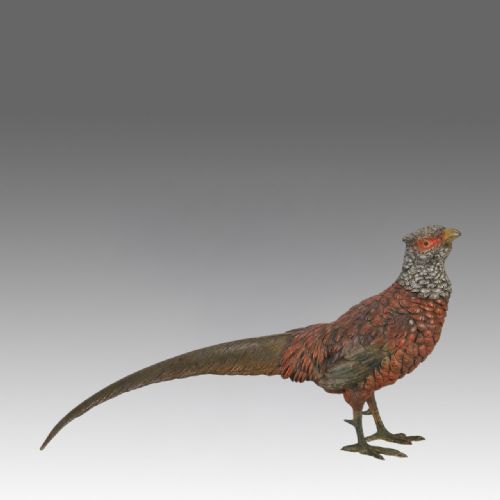
A vienna cold painted animal is a miniature bronze or metal sculpture finished with a layer of unfired pigment. When collectors search this phrase, they seek detailed figurines depicting birds, dogs, horses, and wild beasts.
The pieces appearing here span the nineteenth century through the early twentieth century, including the Edwardian and Art Deco periods. Many take the form of simple desk accessories, inkwells, pin cushions, and car mascots alongside traditional animal figurines.
Materials and technique
Foundry workers cast these figures in bronze, spelter, or terracotta before applying a polychrome paint finish by hand. Because the paint is applied cold rather than fired in a kiln, the pigment sits on the surface of the metal.
Makers mounted certain sculptural studies directly onto green onyx bases, while others remain as standalone metal figures. The casting captures fine details in fur and feathers before the colour is added.
The periods represented span the nineteenth century, the Victorian era, the Edwardian period, and the early twentieth century.
Judging the work
The preservation of the original polychrome paint layer separates standard examples from superior ones. Pieces retaining their original brushed finish without excessive overpainting hold greater interest for collectors.
Franz Bergman·M.S
The Vienna Cold Painted Animal Glossary
- Cold-painted
- A method of decorating metal sculptures using unfired paint applied directly to the bronze surface. This technique allows for subtle shading but remains vulnerable to scratching.
- Spelter
- A zinc alloy frequently used as a cheaper alternative to bronze for casting ornamental metalware. It provides a lighter and softer base for painted figures.
- Polychrome
- The practice of decorating objects in a variety of different colours. In these sculptures, it describes the naturalistic hues applied to animals and birds.
- Vienna bronze
- Small Austrian metal sculptures produced during the late nineteenth and early twentieth centuries. They are celebrated for naturalistic animalier subjects.
Vienna Cold Painted Animal: Frequently Asked Questions
How do I clean a painted bronze?
Dust these figures gently with a soft dry brush to protect the delicate surface layer.
Avoid using water, liquid cleaners, or solvents, as moisture will lift the cold-painted pigment from the metal.
What is an animalier bronze?
Animalier refers to nineteenth-century sculptures that focus specifically on realistic depictions of animals.
These pieces capture birds, dogs, and wildlife in natural postures rather than stylised forms.
Why are some figures mounted on stone?
Makers occasionally set small bronze animal studies onto green onyx bases to give them stability or turn them into desk accessories.
This method also elevated the status of the sculpture for use in studies and offices.
Are these figures solid metal?
Many smaller miniatures and animal figurines are cast as solid metal to give them appropriate weight.
Larger animal studies and functional objects like inkwells are typically cast hollow.