



Blue Opalescent Glass
Blue opalescent glass pieces catch light with milky blue shifts, bringing decorative bowls, perfume bottles, and vases from the Victorian period to the 1930s into sharp focus.
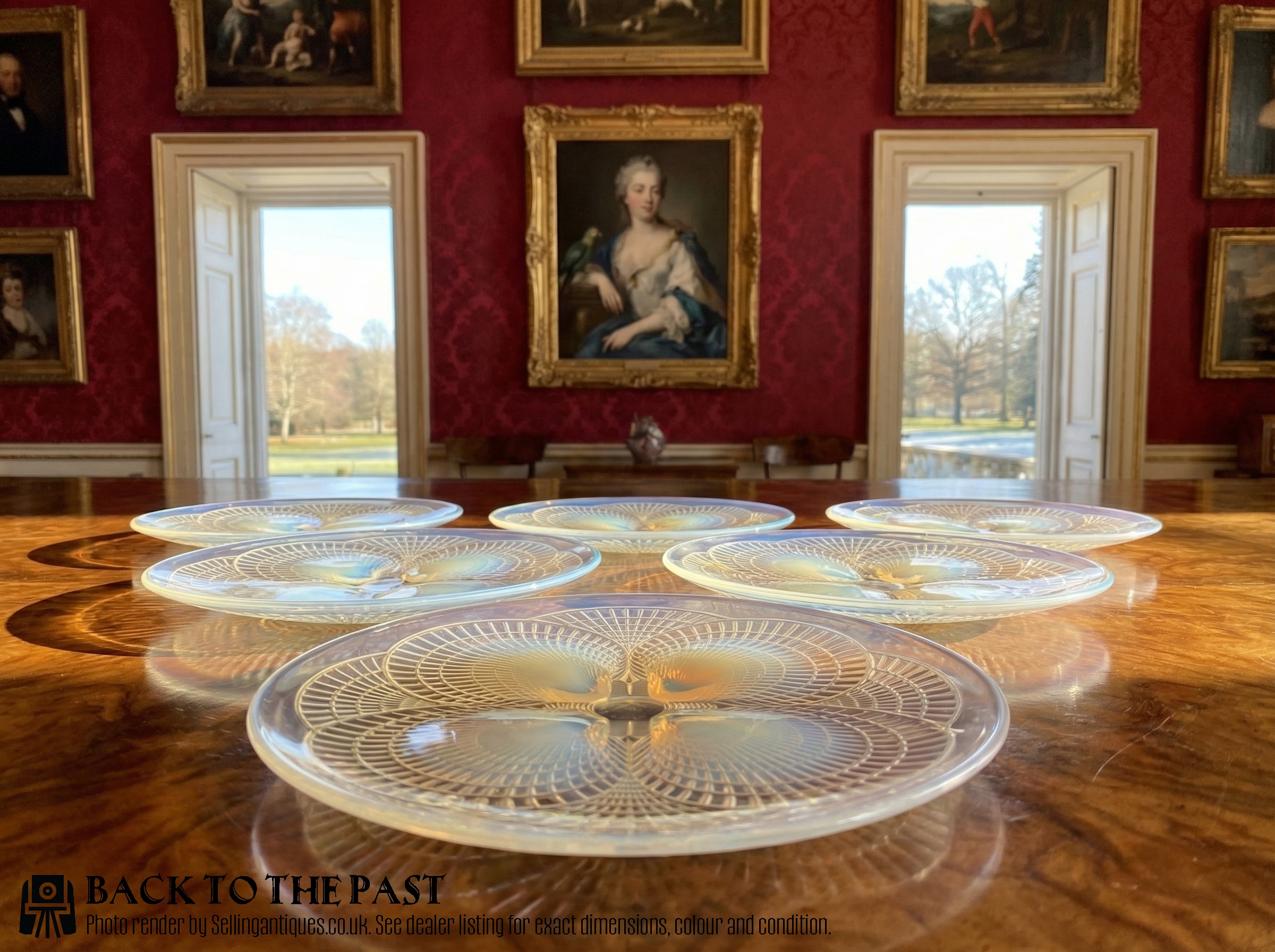
Blue Opalescent Glass
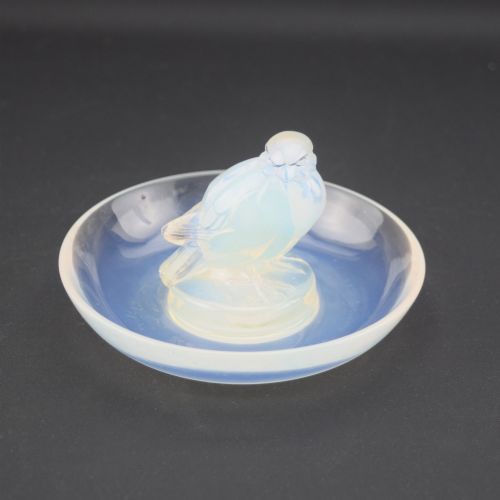
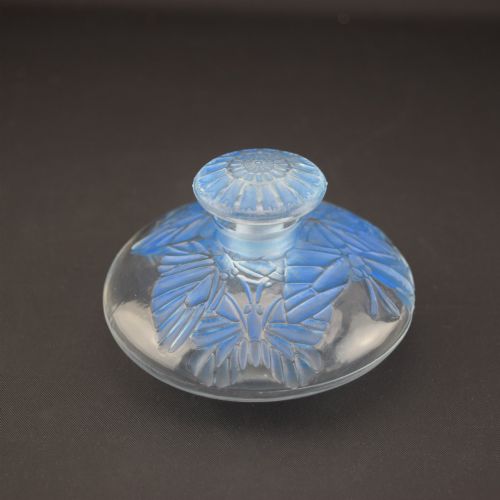
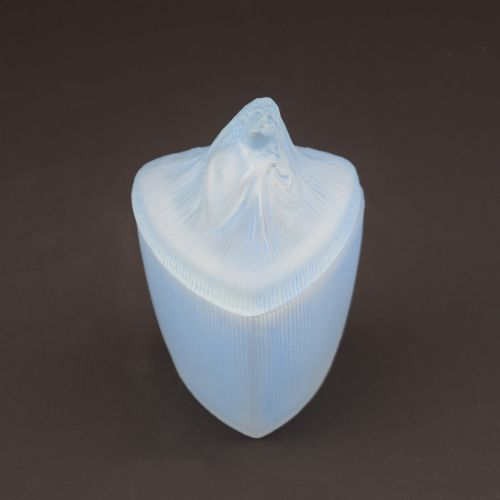
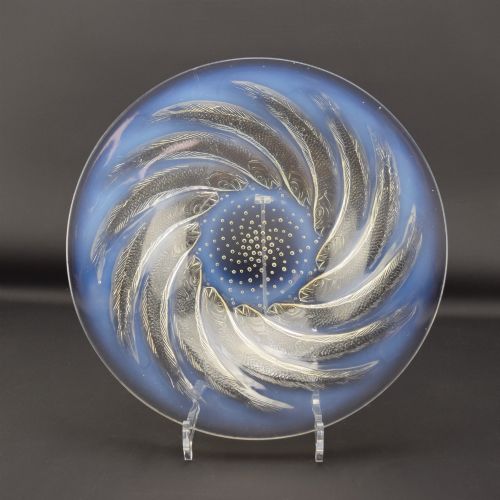
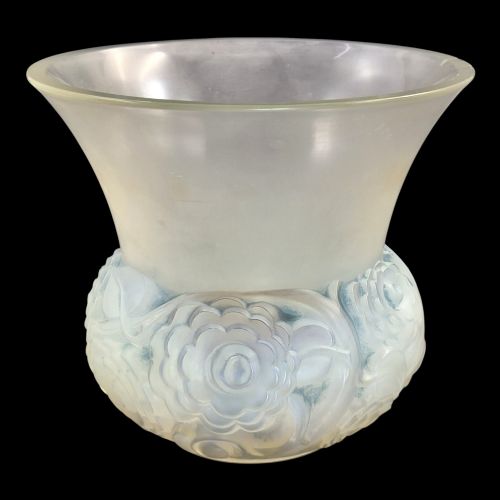
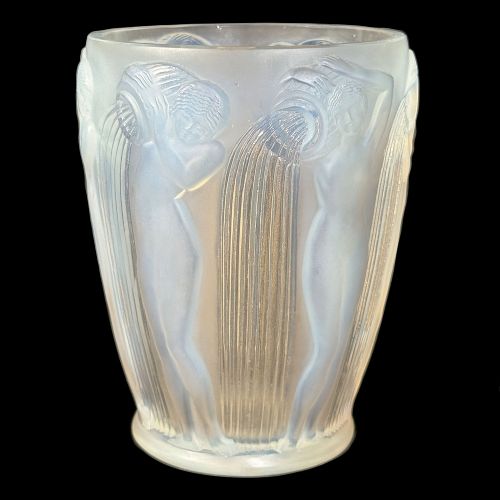
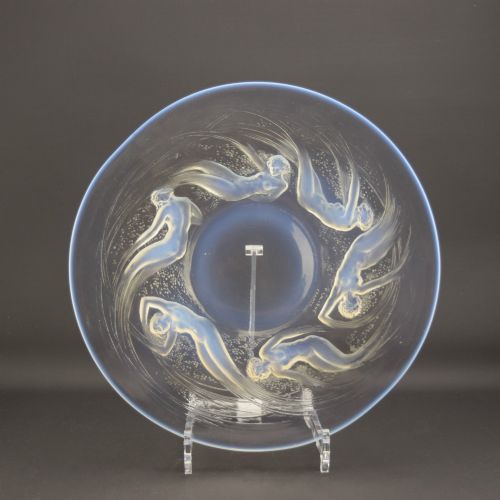
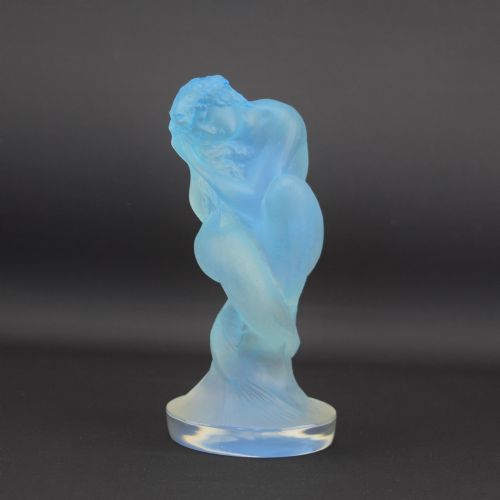
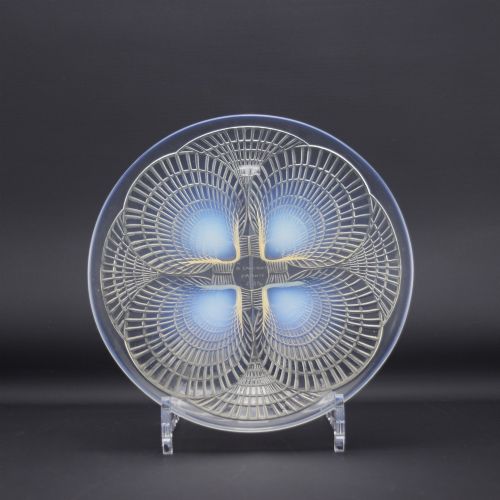
When you search for blue opalescent glass, you encounter items shaped into decorative bowls, vases, plates, dishes, perfume bottles, and figurines. The selection spans the Victorian era through the Edwardian period, 1900, 1910, 1920, and 1930.
The versions you meet most frequently on this page date to the 1920s and 1930s. These Art Deco and Art Nouveau examples demonstrate moulded and pressed techniques applied to tableware and decorative objects.
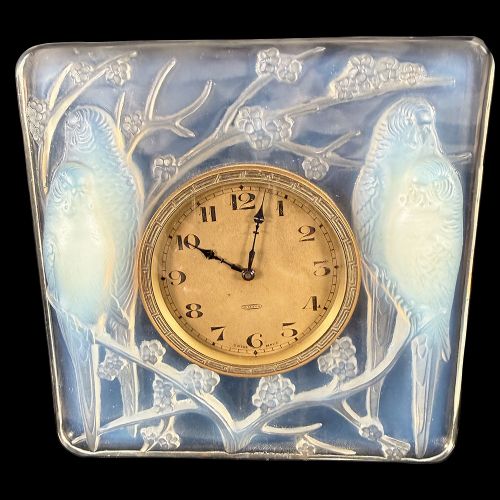
Makers and manufacturers utilised specialised glass formulations to create the signature milky, light-catching quality. The objects vary from shallow bowls and chargers to car mascots and clock cases.
Materials and production methods
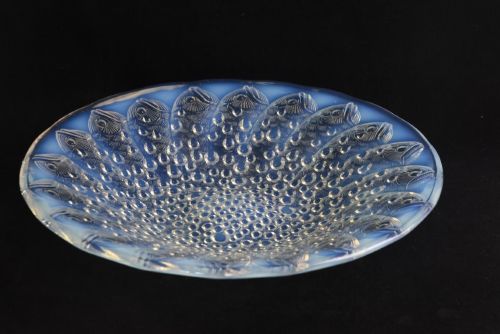
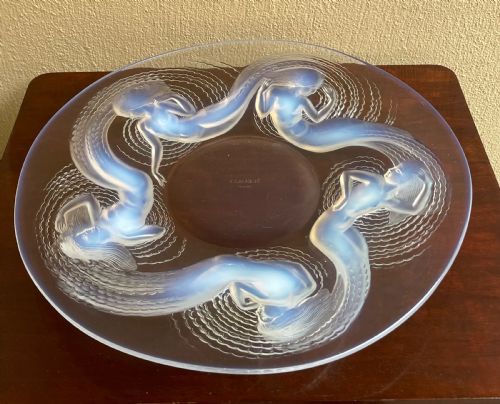
Makers formed these items using pressed glass and moulded glass techniques. Molten material was pressed into metal moulds or blown into shapes, capturing intricate reliefs of flora, fauna, and figures.
Opalescent glass, frosted glass, and blue stained glass provide the primary visual medium. Occasional pieces incorporate brass and metal mounts or fittings to complete clocks, perfume bottles, and figurines.
Blue Opalescent Glass Retail Price Guide 2026
Typical asking prices for blue opalescent glass among the pieces listed under this phrase on Sellingantiques today, from the lower quarter to the upper quarter. They describe what is for sale here now, not the wider market.
Listings span the Victorian period, Edwardian era, 1900, 1910, 1920, and 1930, uniting Victorian and Art Deco aesthetics.
Assessing quality in blue opalescent glass
Quality rests in the crispness of the moulded relief and the depth of the opalescent effect. Superior pieces display sharp definition in motifs such as fish, birds, and botanical elements.
The consistency of the blue tint and the milkiness within the glass structure dictate the visual success of each object. Master workshops achieved subtle shifts in tone that inferior examples lack.
Rene Lalique·Etling·Galle·JOBLING·Davidson·Marius Ernest SABINO
The Blue Opalescent Glass Glossary
- Opalescent Glass
- Glass that produces a milky, glowing blue or white effect when light strikes it from certain angles. This optical phenomenon results from the controlled cooling and reheating of the material.
- Pressed Glass
- Glass formed by pressing molten metal into a metal mould using a mechanical plunger. This technique allowed manufacturers to produce patterned tableware and decorative objects efficiently.
- Moulded Glass
- Glass shaped by being blown or pressed into a prepared mould rather than free-blown. It yields consistent, detailed forms across multiple production runs.
- Frosted Glass
- Glass treated to achieve a textured, matte surface finish rather than a transparent one. It diffuses light and highlights raised decorative details.
- Coupe Ouverte
- An open bowl or shallow dish used for presentation or decoration. The term frequently appears in French glass nomenclature.
Blue Opalescent Glass: Frequently Asked Questions
What is blue opalescent glass?
Blue opalescent glass is a type of decorative glassware that exhibits a milky, light-catching blue shift when illuminated. It gained widespread popularity during the late nineteenth and early twentieth centuries.
Craftsmen produced items ranging from vases and bowls to perfume bottles and figurines using specialised glass recipes. The optical effect occurs due to the suspension of particles within the glass matrix during cooling.
How do I date blue opalescent glass?
Dating these objects involves examining the style, manufacturing technique, and any signature or registration mark present on the piece. Victorian examples often feature distinct Victorian moulding and heavier forms.
Pieces from the 1920s and 1930s typically reflect Art Deco or Art Nouveau aesthetics with crisp moulded reliefs. Signature styles and known factory patterns provide further chronological markers.
Where were these glass pieces made?
The pieces recorded here originate primarily from France and Britain. French glassmakers and studios produced significant quantities of Art Deco decorative objects and perfume bottles.
British factories also manufactured pressed glass tableware during the Victorian period and the 1930s. Each region contributed distinct forms and stylistic approaches to the medium.
How should I display blue opalescent glass?
Displaying these objects effectively requires careful placement near natural light sources. Light passing through the glass activates the opalescent properties and highlights the moulded details.
Placing bowls, vases, and figurines on shelves or tables with adequate backlighting allows the milky blue tones to emerge. Stable surfaces protect these delicate glass forms from accidental damage.