



Vintage Lalique Paperweight
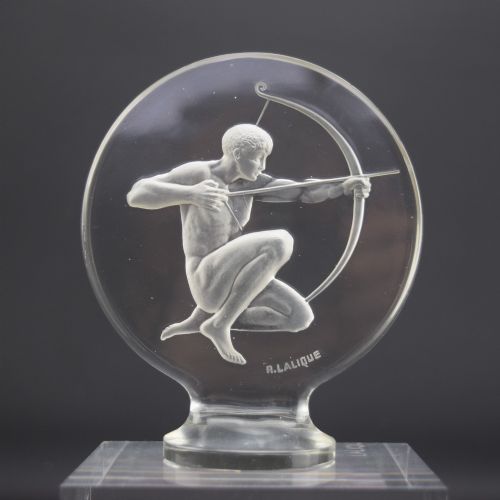
These vintage lalique paperweight pieces are sculptural glass objects defined by early twentieth century moulding and animal forms.
Vintage Lalique Paperweight
When you search for a vintage lalique paperweight, you encounter small sculptural glass items originating from the early decades of the twentieth century, specifically spanning the periods from nineteen-ten to nineteen-thirty. These pieces frequently overlap in form with car mascots, desk seals, pin dishes and ashtrays adapted for desktop use.
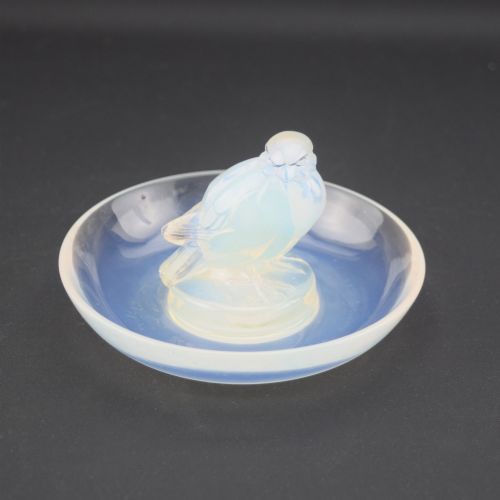
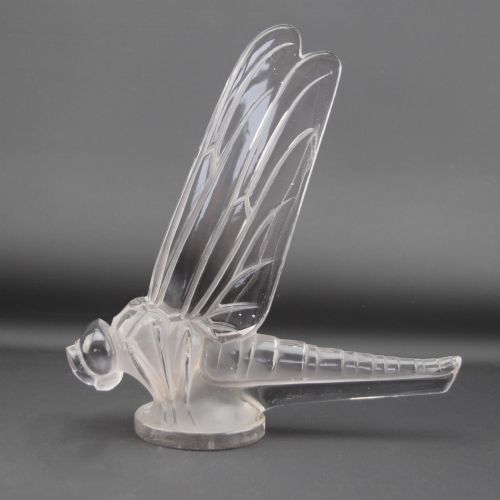
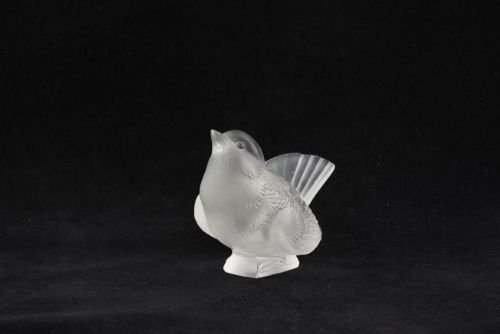
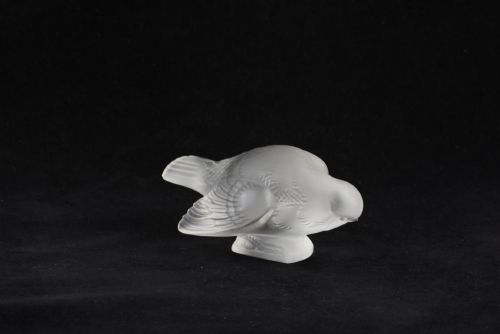
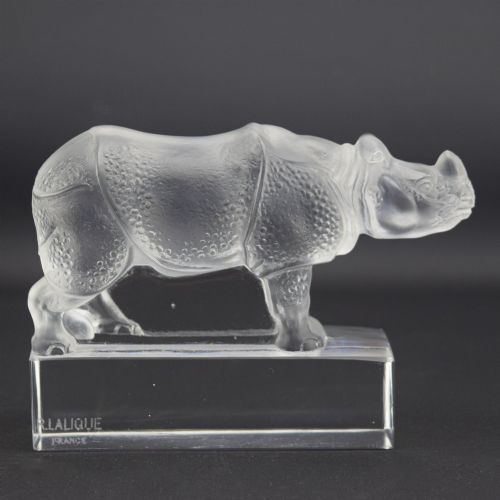
The most common representations on this page take the shape of naturalistic animal and bird subjects, including sparrows, elephants, rhinoceroses and fish. Works such as the various sparrow designs and the Toby elephant appear repeatedly across the inventory.
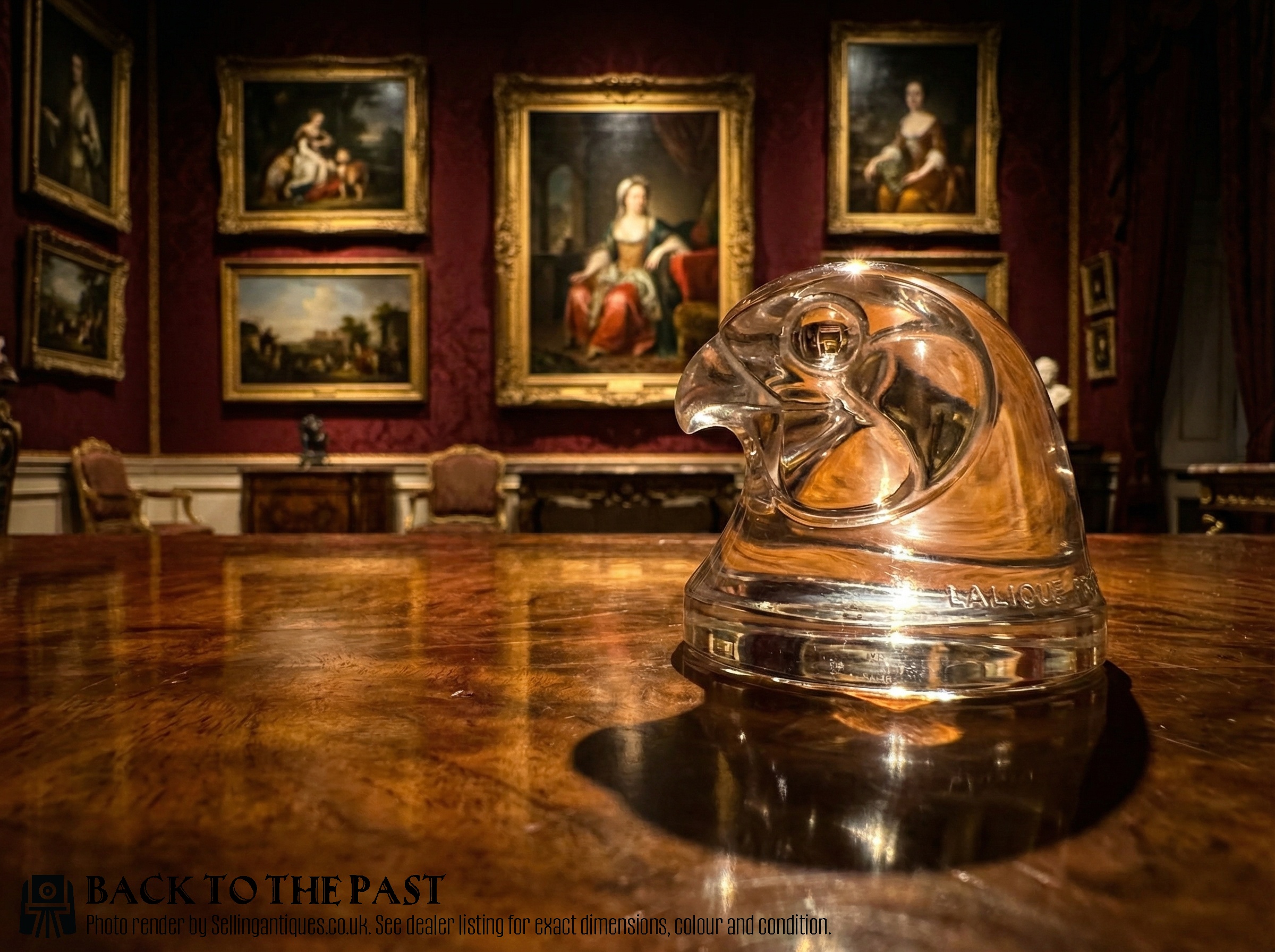
The aesthetic bridges the late nineteenth century organic lines of Art Nouveau and the geometric precision of Art Deco. Many items serve a dual purpose, functioning equally as car mascots mounted on bases or as desk paperweights.

How they were made
Makers utilised pressed and moulded glass techniques, often employing lead crystal to achieve heavy, substantial forms suitable for a paperweight. Molten material was pressed into metal moulds to shape complex figural details.
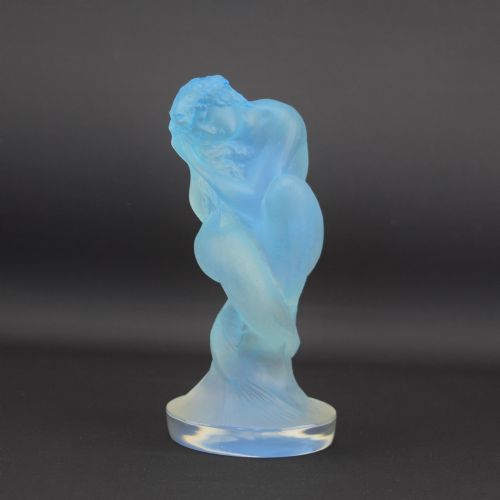
Surfaces were frequently treated with acid-etching or staining to create contrast between transparent, clear sections and opaque, frosted areas. Opalescent glass was also employed to produce shifting blue and amber tones when light crossed the surface.
Several fierce rhinoceroses and heavy wild boars share shelf space with delicate sparrows and dragonflies.
What varies in quality
Distinctions in quality rest upon the crispness of the moulding and the depth of the relief work across the animal subjects. Softer contours or blurred feather and fur details indicate a worn mould or secondary production run.
The deliberate contrast between frosted surfaces and clear polished glass determines the visual success of each piece. Skilled handling of opalescent glass effects and selective blue or topaz staining creates greater luminosity and depth.
Rene Lalique
The Vintage Lalique Paperweight Glossary
- Opalescent glass
- Glass that displays milky bluish tints in reflected light and warm amber tones in transmitted light. This optical effect results from the chemical composition and controlled cooling during manufacture.
- Frosted glass
- Glass treated to achieve a textured, matte surface finish that diffuses light. Acid-etching or sandblasting is typically applied to create this opaque quality.
- Car mascot
- A sculptural ornament mounted on the radiator cap of an automobile during the early twentieth century. Many of these figural glass designs were later repurposed as desk paperweights.
- Cachet
- A small desk seal or stamp carved with initials or an emblem on the base. These items combine a figural glass handle with a functional sealing matrix.
Vintage Lalique Paperweight: Frequently Asked Questions
What is a vintage lalique paperweight?
A vintage lalique paperweight is a moulded glass desk ornament produced during the early twentieth century, frequently depicting birds, animals or human figures.
Many examples originate from car mascot designs or decorative dishes that transition naturally into desktop use due to their heavy lead glass composition.
How do I identify a car mascot conversion?
Car mascot conversions often feature a threaded metal base or a fitted socle designed to mount the glass onto an automobile radiator cap.
When adapted for a desk, these pieces retain the dynamic forward-facing or upright postures intended for display on vehicles.
What materials are used in these pieces?
The pieces utilise clear, pressed, moulded, opalescent and frosted glass, alongside lead crystal and coloured stains.
These varied glass types interact with light to highlight the detailed animal forms and sculptural reliefs characteristic of the period.
How should I clean frosted glass?
Clean frosted glass with warm water and a mild soap, using a soft cloth to avoid scratching the matte surface.
Harsh chemical cleaners and abrasive scrubbing pads can damage the delicate acid-etched texture and should be avoided entirely.
Are these pieces from the Art Deco period?
The inventory spans the periods of nineteen-ten, nineteen-twenty and nineteen-thirty, encompassing both Art Nouveau and Art Deco design styles.
Works from the nineteen-twenties and nineteen-thirties reflect the clean lines and stylised animal subjects typical of Art Deco aesthetics.