



Lalique Glass Figurine
A lalique glass figurine captures the clean lines and frosted depth of early twentieth-century decorative sculpture.

Lalique Glass Figurine
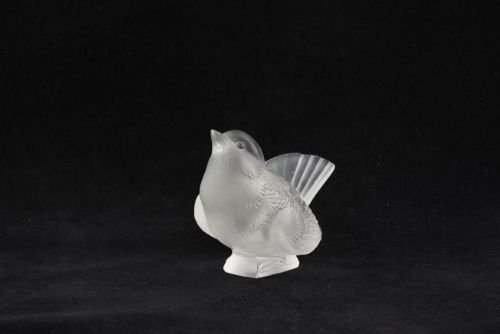
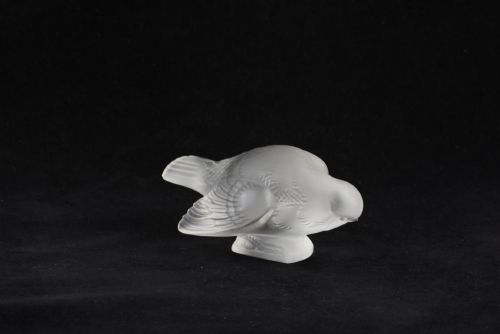
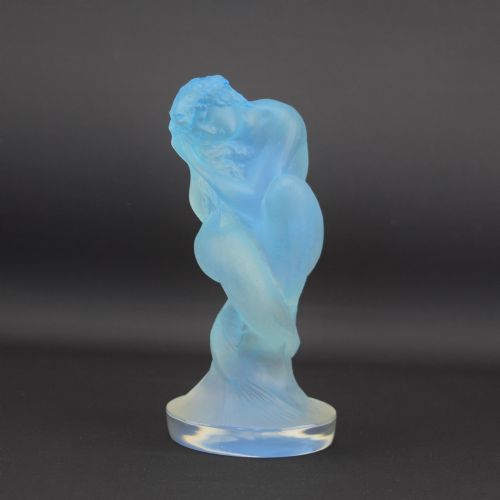
A lalique glass figurine encompasses decorative sculptures, paperweights, car mascots, and statuettes produced during the Art Nouveau and Art Deco periods. Buyers seeking these objects encounter forms ranging from bird paperweights like the Moineau series to mythological car mascots such as the Sirene and Naiade.
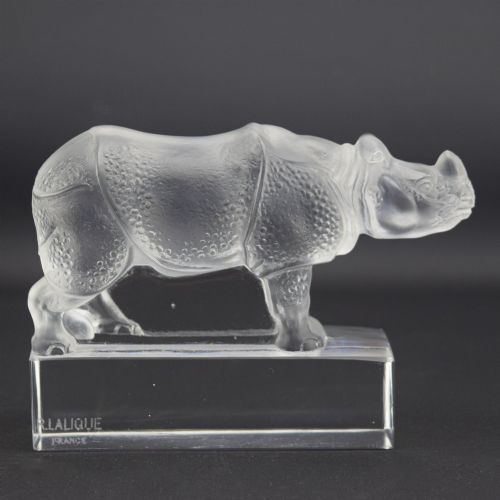
The pieces on this page originate primarily from the 1910s, 1920s, and 1930s, showing animal and human subjects including elephants, rhinos, sparrows, and the Thais statuette. Shot glasses and desk seals also appear among the smaller object types.
Most examples belong to the Art Deco style, defined by stylised natural forms and solid sculptural shapes. These figures function variously as desk accessories, ornaments, and mounted car mascots.
How they were made
Makers utilised moulded glass, pressed glass, and crystal to shape these figurines, often employing frosted finishes to create contrast with clear areas. The technique relies on precise mould construction to achieve the sculptural depth seen in animal and human subjects.
Opalescent glass and stained glass variations introduce shifts in colour and translucency across the surface of the object. Specific examples incorporate blue staining or topaz tones to accentuate the carved details of the design.
Listings feature pieces from the 1910, 1920, and 1930 periods in Art Deco and Art Nouveau styles.
What varies in quality
The presence of specialised colour effects, such as opalescence or targeted blue staining, alters the visual depth of the piece. The choice of heavier materials like crystal or dense moulded glass also affects the substance of the sculpture.
Rene Lalique
The Lalique Glass Figurine Glossary
- Car mascot
- A sculptural ornament mounted on the radiator cap of an automobile during the early twentieth century. These figures often double as paperweights.
- Opalescent glass
- Glass that diffuses light to display milky, iridescent blue or orange tones depending on the angle of illumination. This effect enhances the contours of moulded figures.
- Frosted glass
- Glass treated to create a textured, translucent surface that diffuses light. It creates contrast against polished clear sections in sculptural designs.
- Statue
- A freestanding sculptural work depicting human or animal forms. Pieces such as the Thais statuette represent larger decorative examples.
Lalique Glass Figurine: Frequently Asked Questions
What is a lalique glass figurine?
A lalique glass figurine is a moulded sculptural object produced in clear, frosted, or opalescent glass during the early twentieth century. These items include paperweights, car mascots, and statuettes.
Subjects range from birds and animals to human figures created in Art Nouveau and Art Deco styles.
How were car mascots used?
Car mascots were mounted on the radiator caps of automobiles during the 1920s and 1930s. They served as personalised ornaments for motorists.
Many of these pieces now function as desk ornaments or paperweights when removed from their original vehicle mounts.
What materials are common?
Common materials include frosted glass, clear glass, opalescent glass, and crystal. Some examples feature coloured staining to highlight specific details.
Moulding and pressing techniques shaped these diverse glass types into solid decorative sculptures.
How do I date a piece?
Dating relies on the stylistic markers of the Art Nouveau and Art Deco periods, alongside specific production years recorded for individual designs. Pieces typically originate from the decades between nineteen-ten and nineteen-thirty.
Subject matter and material finishes also correspond to these specific early twentieth-century eras.