


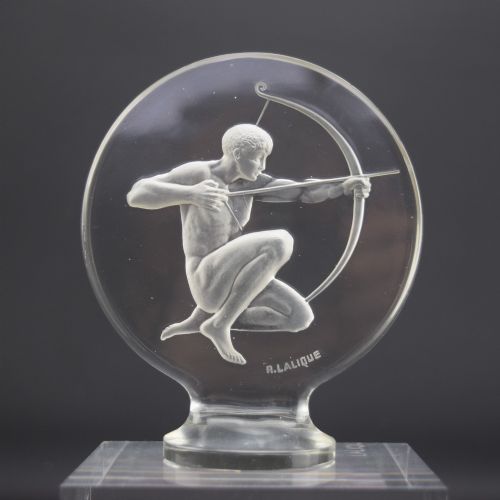
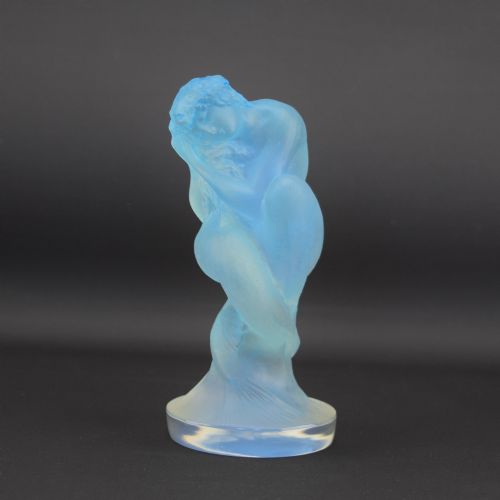


Glass Hood Ornament
These glass hood ornament pieces are striking Art Deco car mascots that bring kinetic elegance to a classic motorcar bonnet.

Glass Hood Ornament
When you search for a glass hood ornament, you are looking at decorative car mascots produced during the 1920 and 1930 periods. These pieces take the form of animal figures, birds, and mythological subjects designed to mount upon a vehicle radiator cap. On this page, you will most frequently meet moulded glass and opalescent glass objects originating from French design of the Art Deco style.
The objects recorded here include car mascots and paperweights fashioned as specific creatures like the dragonfly, archer, siren, eagle, horses, peacock, water nymph, cockerel, perch, hawk, and wild boar. Each form captures speed and natural motion through the medium of glass. Collectors frequently display these items off the motor vehicle as decorative objects.
The physical design of a glass hood ornament requires durability against the elements whilst maintaining delicate sculptural detail. Creators utilised metal mounts and wooden elements alongside the primary glass body to secure the mascot to the automobile. The resulting items bridge industrial transport and fine decorative arts from the interwar years.
How they were made
The production of a glass hood ornament relies upon hot moulding and pressing techniques to shape heavy glass into intricate animal and human forms. Artisans worked molten material into metal moulds, capturing fine anatomical details of feathers, scales, and musculature. Frosted glass and clear glass treatments were then applied to contrast smooth surfaces with textured areas.
Opalescent glass versions utilise specific chemical additives during the melting process to create a characteristic milky blue and amber play of light within the material. Topaz glass variations introduce distinct warm tones to the finished mascot. Once cooled, the glass was often mounted onto metal bases or wooden display fittings.
Glass Hood Ornament Retail Price Guide 2026
Typical asking prices for glass hood ornament among the pieces listed under this phrase on Sellingantiques today, from the lower quarter to the upper quarter. They describe what is for sale here now, not the wider market.
Drivers in the twenties apparently felt a wild boar or a cockerel improved engine cooling, or at least looked splendid while overheating.
What varies in quality
The presence of original metal or wooden mounts influences the integrity of the piece as a complete car mascot. Furthermore, the complexity of the subject matter, ranging from simple geometric stylisation to elaborate multi-figure compositions such as racing horses, affects the artistic ambition of the work.
Rene Lalique
The Glass Hood Ornament Glossary
- Car Mascot
- A decorative sculptural ornament mounted on the radiator cap of a motor vehicle. These items served as personal expressions of style for motorists during the early twentieth century.
- Opalescent Glass
- A type of glass that displays milky, pearlescent highlights and shifts in colour when viewed from different angles. This effect was highly prized in interwar decorative design.
- Moulded Glass
- Glass shaped by being pressed into a metal or ceramic mould while molten. This technique allowed for the mass production of complex sculptural forms.
- Art Deco
- The dominant design style of the 1920 and 1930 periods, characterised by sleek lines, stylised natural motifs, and modern industrial materials.
- Frosted Glass
- Glass treated to achieve a matte, non-reflective surface finish through acid etching or sandblasting. This finish accentuates the contours of sculptural carvings.
Glass Hood Ornament: Frequently Asked Questions
What is a glass hood ornament?
A glass hood ornament is a sculptural car mascot designed to fit upon the radiator cap of an automobile. These pieces served both a decorative function on the vehicle and as standalone artistic objects.
Produced largely during the 1920 and 1930 periods, they often depict animals, birds, and figures rendered in moulded, frosted, or opalescent glass.
How were they mounted on cars?
These mascots were secured to the radiator cap of a motorcar using specialised metal mountings and fittings. The heavy glass base of the ornament locked firmly into a metal collar.
Many surviving pieces also feature wooden components or are detached from their original vehicular mounts to be displayed as interior decorative objects.
What materials are used?
The primary material is heavy glass, often worked as moulded glass, pressed glass, frosted glass, clear glass, or opalescent glass. These different treatments allowed makers to play with transparency and light.
Additional materials include metal and wood, which were utilised in the construction of the mounting bases and display stands.
Can I display them off a car?
You can readily display these objects away from a motor vehicle as decorative items or paperweights. Many collectors house them on dedicated shelves or stands to appreciate the way light passes through the glass.
Their substantial weight and sculptural forms make them well-suited for placement on desks and tabletops.