


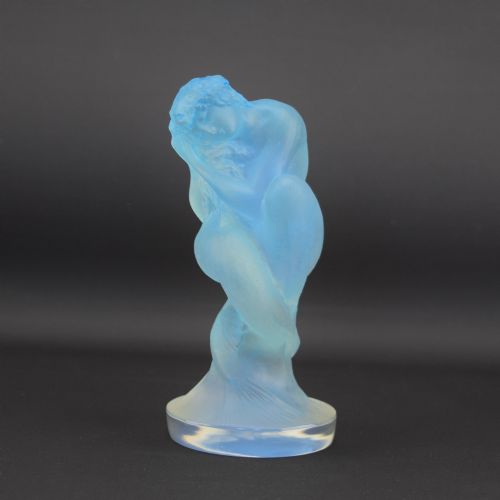


French Art Glass Mascot
French art glass mascot pieces capture the bold spirit of Art Deco design, offering striking sculptural forms that double as decorative objects or paperweights.
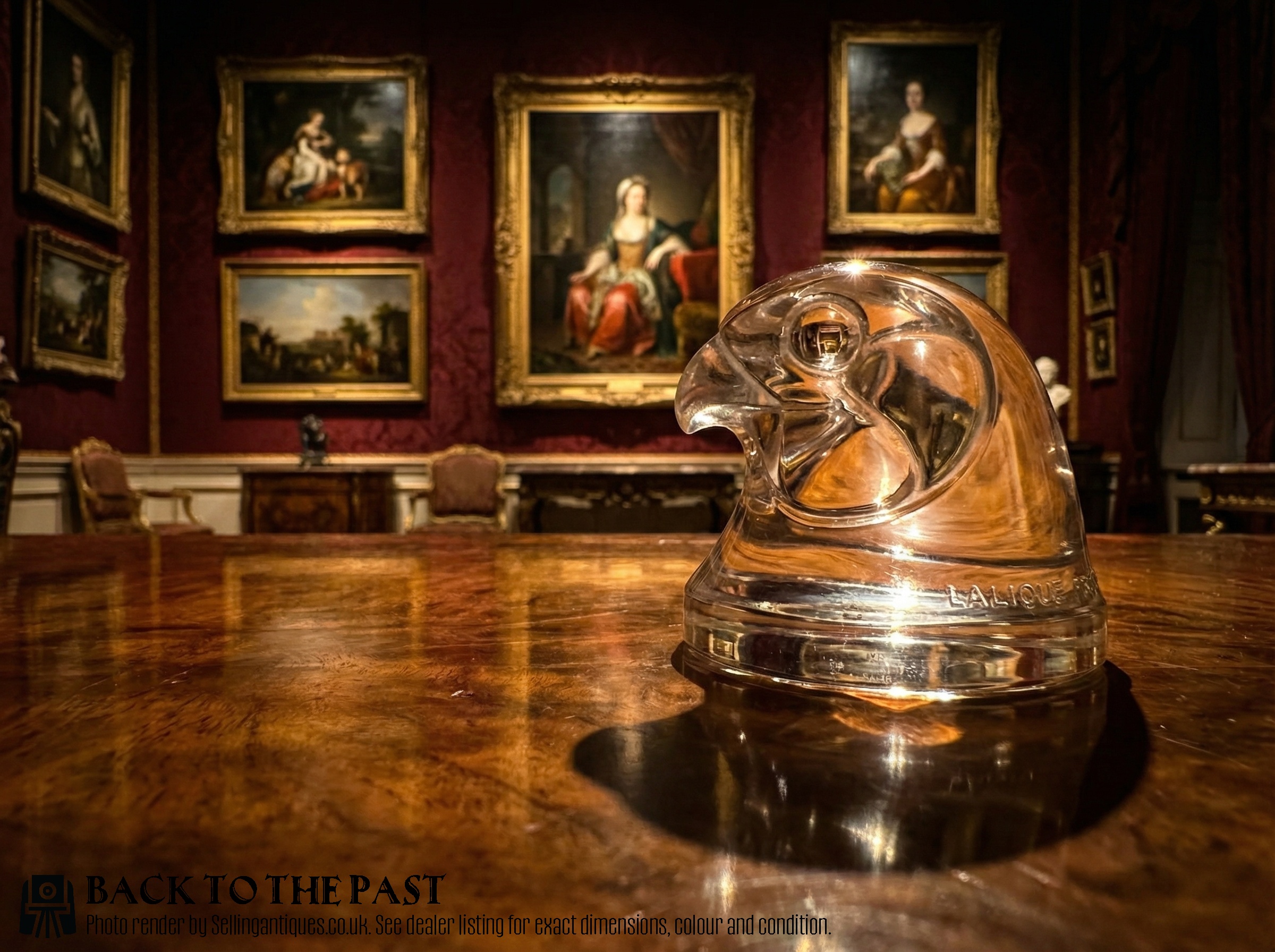
French Art Glass Mascot
A french art glass mascot is a sculptural object created during the 1920 and 1930 periods, designed originally to adorn motor cars or to serve on a desk as a paperweight. These pieces represent the pinnacle of Art Deco design, translating speed and animal forms into miniature glass sculptures. The collector meets these objects primarily as car mascots and paperweights.
The forms span depictions of birds, fish, insects and mythological figures, each modelled with remarkable precision. Figures such as the dragonfly, sparrow, siren, eagle, elephant, horses, peacock, water nymph, cockerel, perch, sparrow hawk and wild boar appear frequently. Many serve a dual purpose in the evidence, functioning as both car mascots and paperweights.
How they were made
Makers utilised moulded glass, pressed glass and moulded crystal to shape these solid three-dimensional figures. The molten material enters a mould under pressure to achieve the crisp anatomical details of feathers, scales and musculature. Metal and wood mounts occasionally support the glass components.
The finish often relies on frosted glass or opalescent glass to catch the light and reveal the depth of the relief work. Clear glass and topaz variants also appear, showing how colour manipulation enhances the sculptural contours. This mastery of glass chemistry defines the aesthetic of the period.
French Art Glass Mascot Retail Price Guide 2026
Typical asking prices for french art glass mascot among the pieces listed under this phrase on Sellingantiques today, from the lower quarter to the upper quarter. They describe what is for sale here now, not the wider market.
Drivers in the roaring twenties could choose to adorn their bonnet with a fierce wild boar or a delicate dragonfly.
What varies in quality
The artistic ambition behind the subject influences the overall success of the piece. Dynamic compositions like leaping animals or complex mythological figures demand greater technical control than static forms. This mastery of glass as a sculptural medium separates the ordinary from the remarkable.
Rene Lalique
The French Art Glass Mascot Glossary
- Car mascot
- A sculptural ornament mounted on the radiator cap of a motor car during the early twentieth century. These objects transformed functional vehicles into mobile displays of personal style.
- Opalescent glass
- Glass that diffuses light to display milky, bluish or fire-like tones across its surface. This optical effect shifts depending on the angle of the ambient light.
- Frosted glass
- Glass treated to create a textured, matte surface that diffuses light rather than reflecting it directly. This technique highlights the contours of moulded relief work.
- Pressed glass
- Glass shaped by pressing molten material into a metal mould with a plunger. This mechanical process allows for consistent production of complex decorative forms.
- Moulded crystal
- High-clarity glass shaped within a mould to produce heavy, defined decorative objects. The high lead content provides exceptional brilliance and weight.
French Art Glass Mascot: Frequently Asked Questions
What is a french art glass mascot?
A french art glass mascot is a small sculptural piece of moulded glass created during the Art Deco era. They were originally mounted on automobile radiator caps.
Today these pieces survive as decorative objects and paperweights, prized for their intricate animal and figural forms.
How were french art glass mascot pieces used?
Drivers mounted them on motor car radiator caps to personalise their vehicles during the 1920 and 1930 periods. They caught the wind and the light while the car was in motion.
Many pieces were also designed with flat bases so owners could remove them from vehicles and use them as desk paperweights.
What materials make up a french art glass mascot?
The pieces consist primarily of moulded, pressed, frosted, opalescent or clear glass and crystal. Some examples incorporate metal or wood elements in their mounts.
Different glass formulations allow the material to catch the light in specific ways, enhancing the carved details.
How do I date a french art glass mascot?
Dating relies on the stylistic markers of the Art Deco period, typically falling around the 1920 and 1930 years. Specific animal and figural designs correspond to the output of those decades.
Evidence from the maker's repertoire helps confirm the production timeframe for each individual sculptural form.