


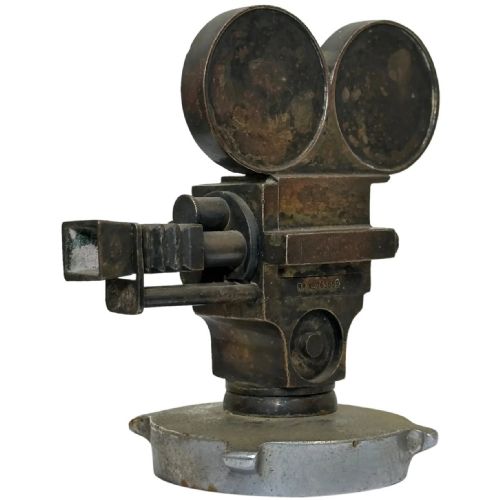

Art Deco Car Ornament
An art deco car ornament brings sculptural elegance to a classic dashboard, offering a striking focal point born of the interwar motoring age.
Art Deco Car Ornament
An art deco car ornament transforms a standard vehicle into a canvas for modernist design, capturing the speed and glamour of the nineteen twenties and nineteen thirties. These objects take the form of car mascots, sculptures, desk accessories, and paperweights, reflecting the varied ways owners display them.
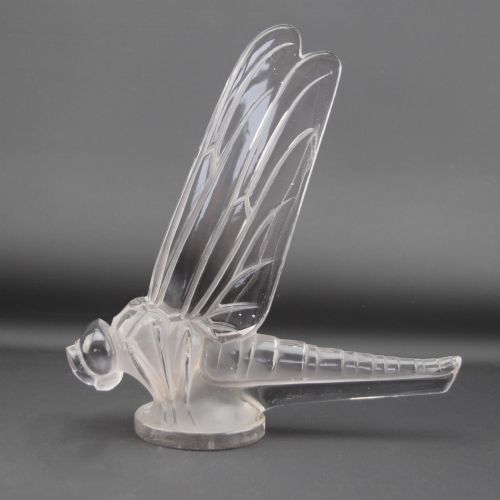
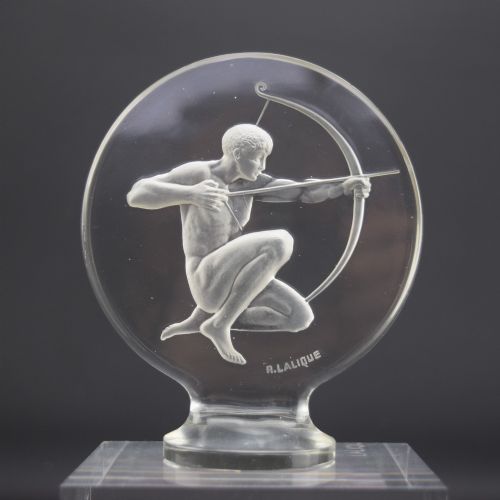
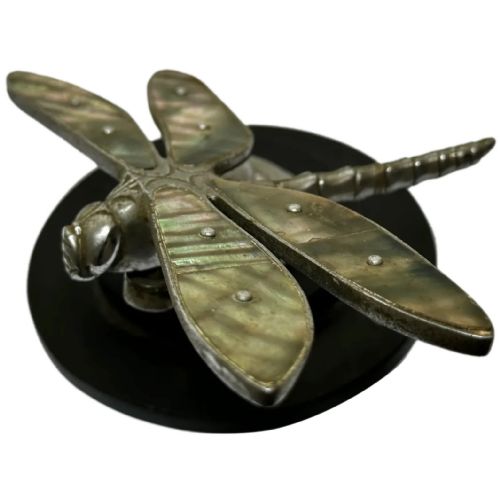
You are most likely to meet moulded and frosted glass creations alongside cast metal figures on this page. Subjects range from animal figures such as greyhounds, dragonflies, and wild boars to classical nudes and human portraits.
Materials and construction
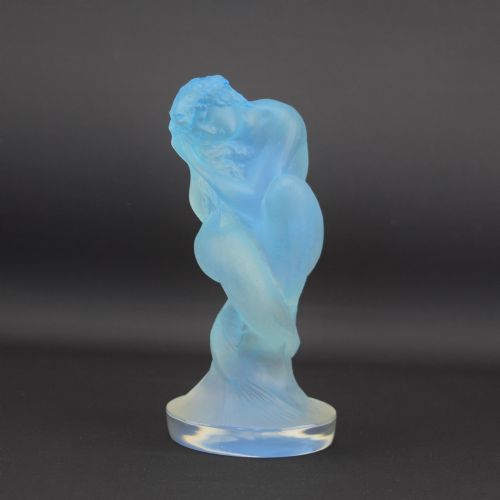
Makers utilised moulded, opalescent, and clear glass to catch the light, often employing frosting to accentuate fine details and contours. These glass pieces require precise cooling and finishing techniques to achieve their characteristic luminous quality.
Metal versions rely on bronze, chrome, aluminium, and other mixed metals, cast and hand-finished to create durable figures meant to withstand the elements. Wooden elements occasionally provide a base or mounting surface for these metal and glass sculptures.
Listed items originate from three distinct decades: nineteen twenty, nineteen thirty, and nineteen forty.
Judging quality and craftsmanship
The sophistication of the modelling determines the visual success of a metal cast, separating dynamic, sharply defined figures from flat or repetitive productions. Finer bronze and chrome examples show crisp feather, fur, and anatomical detail achieved through careful chasing after casting.
In glass pieces, the depth of the opalescence and the crispness of the moulding dictate the visual impact when light passes through the material. Superior glass works display subtle colour shifts and immaculate edges without distracting surface flaws from the production process.
Rene Lalique·Louis Lejeune·Desmo·Jose Dunach
The Art Deco Car Ornament Glossary
- Car mascot
- A sculptural ornament mounted on the radiator cap or bonnet of a motor car. They serve as both personal expression and aerodynamic decoration.
- Opalescent glass
- A type of glass that displays milky, milky-blue or fire-like colour effects when illuminated from different angles. It is a defining characteristic of many period glass mascots.
- Frosted glass
- Glass treated with acid or abrasive techniques to create a matte, translucent surface texture. This finish highlights sculptural contours by diffusing light.
- Automobilia
- Collectable items associated with motor cars and motoring history, including ornaments, badges, and desk accessories. These objects capture the cultural footprint of early transport.
Art Deco Car Ornament: Frequently Asked Questions
How were these ornaments originally mounted on cars?
Makers designed these ornaments to screw directly onto the radiator cap of a vintage motor car using threaded bases or bespoke mounting brackets.
Today, many owners display them on wooden bases as desk ornaments or paperweights rather than mounting them on vehicles.
Are glass mascots too fragile for outdoor use?
Period glass mascots were built to withstand regular motoring conditions, but modern road debris and changing traffic speeds make actual road use risky for fragile glass.
Most collectors prefer to preserve these pieces indoors as decorative sculptures or desk accessories to prevent accidental damage.
What subjects are most common in these ornaments?
Animal subjects dominate the selection, featuring racing greyhounds, birds of prey, fish, and insects that symbolise speed and motion.
Human figures, including female nudes, golfers, and novelty objects like movie cameras, also appear frequently across the period.
How do I distinguish glass from metal periods?
Moulded glass pieces generally date to the same interwar decades as their bronze and chrome counterparts, sharing the geometric and streamlined aesthetics of the era.
Examining the base fixings, signatures, and material patination helps clarify the specific production methods used by different workshops.