


Lalique Glass Car Mascot
Lalique glass car mascot pieces are striking Art Deco motoring ornaments crafted to adorn vintage vehicles with elegance.
Lalique Glass Car Mascot
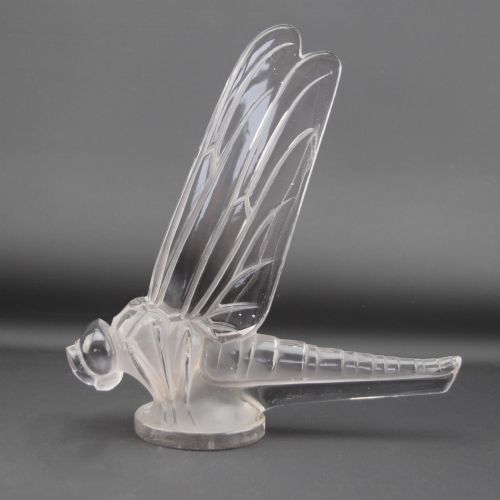
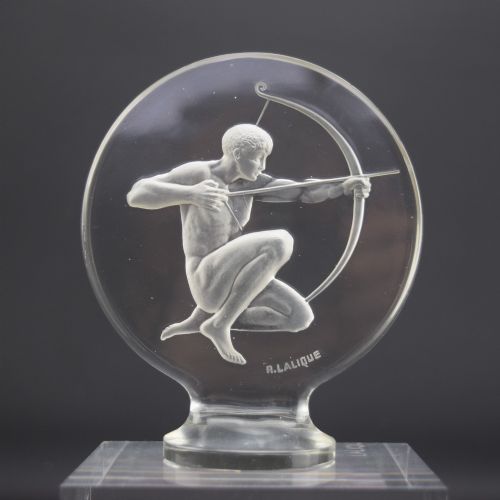
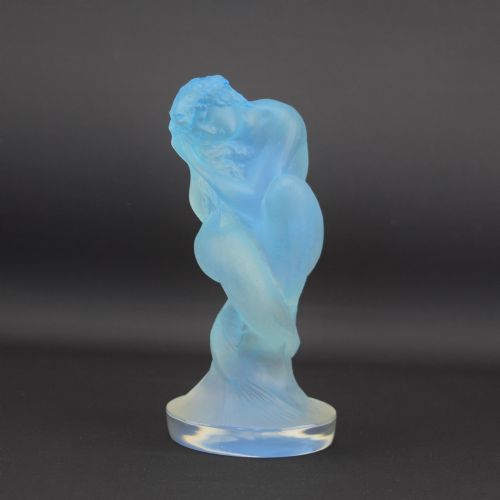
A lalique glass car mascot is a sculptural object designed during the 1920 and 1930 periods to sit upon the radiator cap of an automobile. These decorative objects take various forms, including animals and human figures such as dragonflies, archers, and sirens.
The versions most likely to be met on this page are moulded glass items styled in the Art Deco aesthetic. Examples range from transparent clear glass to coloured topaz and opalescent finishes.
How they were made
Moulded glass and pressed glass techniques form the primary method of production for these car mascots. Molten material is shaped into detailed figurative designs using metal and wood components in the broader manufacturing process.
Frosted glass and opalescent glass finishes provide contrast and texture across the surface of the mascot. Clear glass elements are often combined with these treatments to highlight the sculptural contours.
Every listing on this page dates from the 1920 or 1930 periods and belongs to the Art Deco style.
What varies in quality
The fineness of the sculptural detail across the animal and figurative subjects dictates the standing of an individual piece. Subtle shifts in the opalescence and the crispness of the moulded glass define the visual depth of the object.
The treatment of the glass surface, from frosted highlights to clear sections, influences the overall aesthetic impact. Pieces that integrate metal fittings effectively alongside the glass demonstrate superior design cohesion.
Rene Lalique
The Lalique Glass Car Mascot Glossary
- Moulded glass
- Glass shaped by being pressed into a form or mould while hot. This technique allows for intricate sculptural relief.
- Opalescent glass
- Glass that displays a milky, bluish lustre under transmitted light and a warm amber tone under reflected light. It creates a luminous depth in figurative subjects.
- Frosted glass
- Glass with a textured, matte surface produced by acid etching or sandblasting. This finish accentuates the contours of the design.
- Art Deco
- The dominant design style of the 1920 and 1930 periods characterised by sleek lines and stylised motifs. Mascots from this era embody rapid motion and modernism.
- Car mascot
- A sculptural ornament mounted on the radiator cap of a motor car. They served as personal expressions of style for motorists.
Lalique Glass Car Mascot: Frequently Asked Questions
What is a lalique glass car mascot?
A lalique glass car mascot is a decorative glass sculpture mounted on the front of a motor car during the early twentieth century. These items combine automotive culture with decorative art.
Created primarily during the 1920 and 1930 periods, they depict various subjects like animals, birds, and mythological figures.
How were car mascots used?
Drivers mounted these ornaments on the radiator caps of their automobiles as personal adornments. They served as distinctive markers for vehicles of the era.
Many examples double as decorative objects or paperweights when removed from a vehicle mount.
What materials do they use?
These pieces consist primarily of moulded, pressed, frosted, clear, or opalescent glass. Some examples incorporate metal and wood elements in their mountings.
The glass composition allows for play of light through opalescent and coloured topaz tones.