
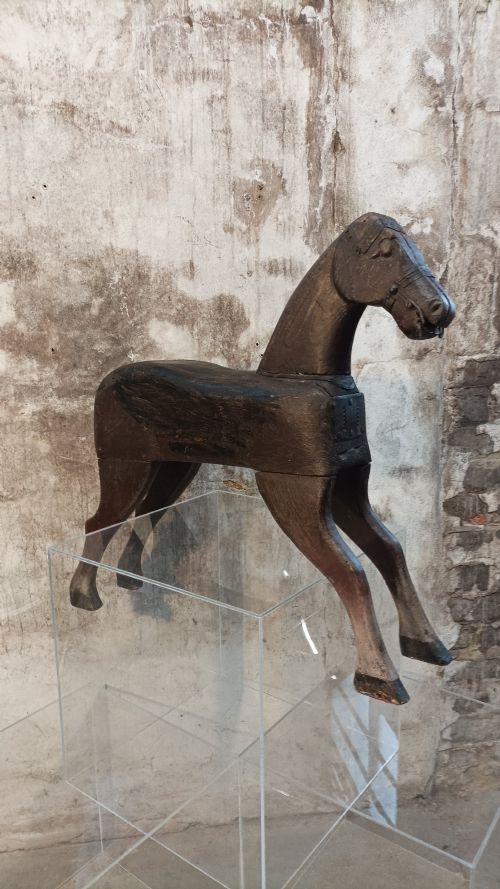


Brown Wood Animal Statue
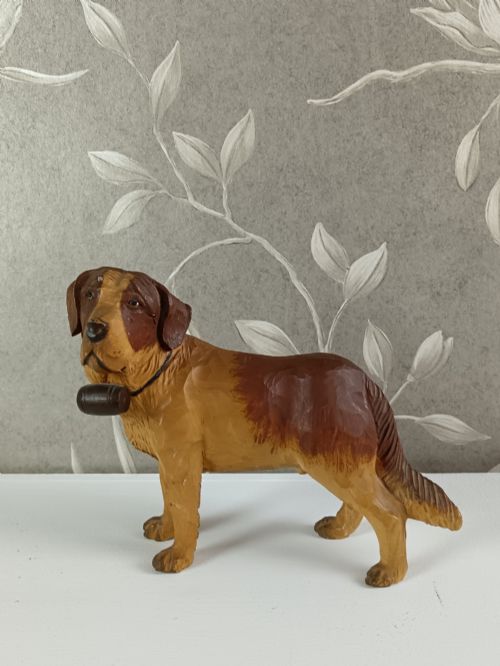
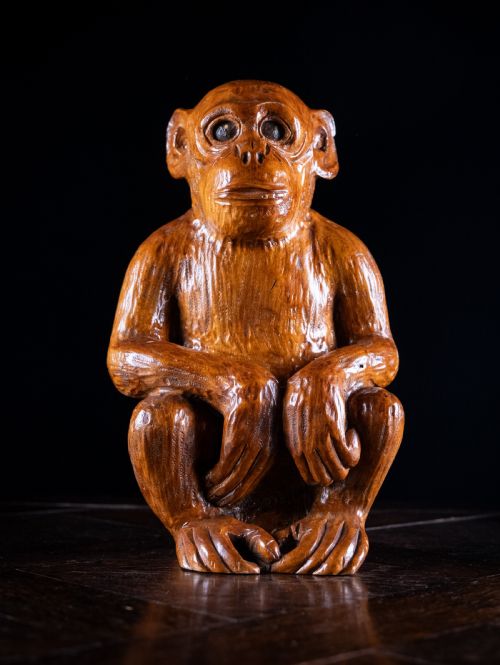
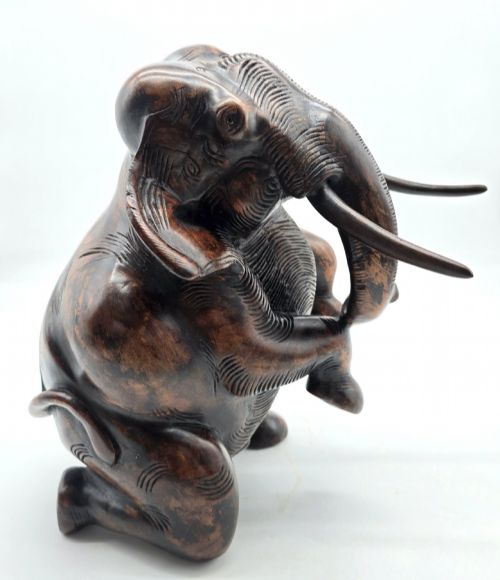
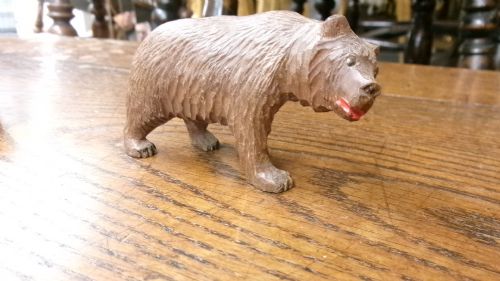
These brown wood animal statue pieces bring carved bears, elephants and big cats into a room, offering tactile presence through historic timber.
Brown Wood Animal Statue
A brown wood animal statue captures creatures from domestic livestock to wild beasts carved across centuries of regional craft traditions. Buyers search for these figures to introduce natural forms and organic grain into interior spaces through sculptural representations of wildlife.
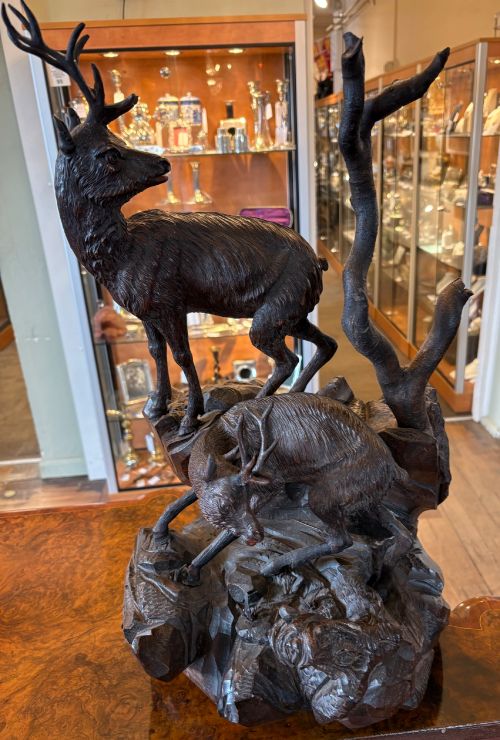
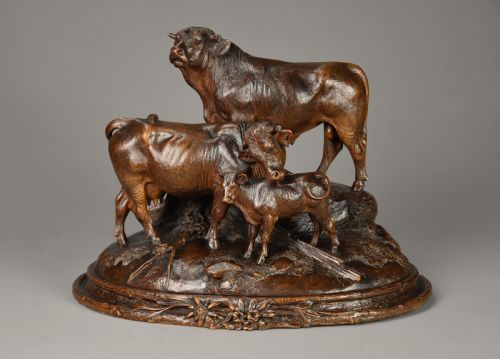
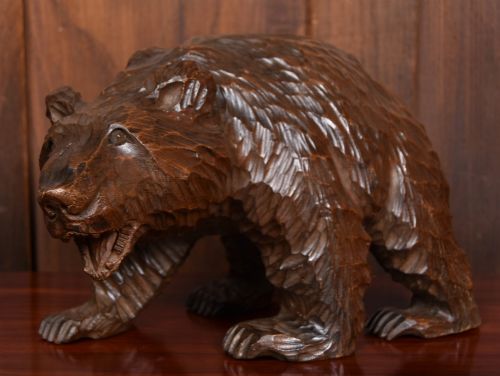
Black Forest carvings from Switzerland and regional European workshops dominate the selection, frequently depicting bears, deer, cattle and alpine game. Alongside these European works, Anglo-Indian Raj period elephants, Japanese folk art bears, and Chinese hardwood sculptures appear regularly in walnut, teak and linden wood.
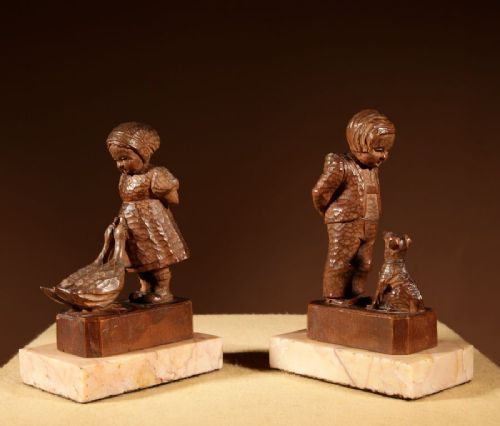
The objects range from miniature table ornaments and pairs of figures to life-size sculptural groups and monumental architectural ornaments. They function primarily as decorative objects and display sculptures that reflect regional woodcarving styles from the nineteenth century onward.
Materials and construction methods
Carvers shaped these figures from various woods including walnut, teak, limewood, linden wood and dense tropical hardwoods, occasionally adding paint or brass details. Artisans utilised hand chisels and gouges to define muscular forms, fur texture and facial expressions directly from solid timber blocks.
European pieces often display the pale, fine grain of linden wood suited to intricate undercut foliage and animal anatomy, while Anglo-Indian and Chinese items utilise heavier, darker hardwoods. Selected works combine carved timber with marble bases or inset glass eyes, showing the specific technical choices of nineteenth and early twentieth century workshops.
Fifteen miniature bears share shelf space with life-size antelopes.
Distinctions in execution and design
Quality rests upon the naturalism of the anatomy and the depth of the carving, distinguishing lifelike musculature from stiff or generic execution. Superior pieces demonstrate confident handling of grain and texture, where the carver captures movement in subjects like leaping dogs or stampeding buffalo.
The distinction between standard decorative items and exceptional sculptures lies in the crispness of the tool marks and the sensitivity of the facial expression. Signed or stamped works and those originating from identifiable regional schools carry greater sculptural authority through accomplished composition.
J Huggler·Eugene Emile Borga·Laszlo Hoenig
The Brown Wood Animal Statue Glossary
- Black Forest
- A style of woodcarving originating from the Swiss and German regions, known for realistic depictions of bears, deer and alpine fauna. These pieces often incorporate naturalistic log bases and deep undercutting.
- Raj Period
- The era of British rule in India, during which local craftsmen produced distinctive carved hardwood items such as processional elephants and figures for export. These objects frequently utilise heavy native timber.
- Hardwood
- Timber derived from angiosperm trees, valued by carvers for its density, strength and capacity to hold fine detail without splitting. Walnut and teak belong to this category.
- Limewood
- A pale, soft wood with a fine, even grain favored by European carvers for detailed figurative work. It permits smooth finishing and complex undercutting.
- Folk Art
- Objects created by self-taught or traditional artisans outside formal academic traditions, emphasising naive charm and direct expression over strict anatomical accuracy.
Brown Wood Animal Statue: Frequently Asked Questions
What animals are most common?
Bears, elephants, lions and cattle appear most frequently across these wooden sculptures, reflecting the favourite subjects of nineteenth-century European and colonial workshops.
Animals native to alpine regions, such as ibex and chamois, also feature strongly within the Swiss and German carving traditions.
How should I clean these carvings?
Dust the wood gently with a dry, soft-bristled brush to protect the carved surfaces and delicate details from damage. Avoid using liquid cleaners or polishes that can penetrate old timber and alter the patina.
Where were these figures made?
The pieces originate from diverse global regions, including Swiss and German mountain villages, British India, Meiji period Japan, and China.
Each region utilised local timber species and distinct carving techniques to shape the animal forms.
How do I identify a Black Forest carving?
Black Forest carvings are typically rendered in linden wood or walnut, depicting regional animals like bears and stags with realistic poses. They frequently incorporate naturalistic elements such as branch bases or oak leaf motifs.