



Soft Paste Porcelain Figure
A soft paste porcelain figure brings the tactile warmth and vitreous depth of early ceramic modelling directly into your cabinet.
What these figures are
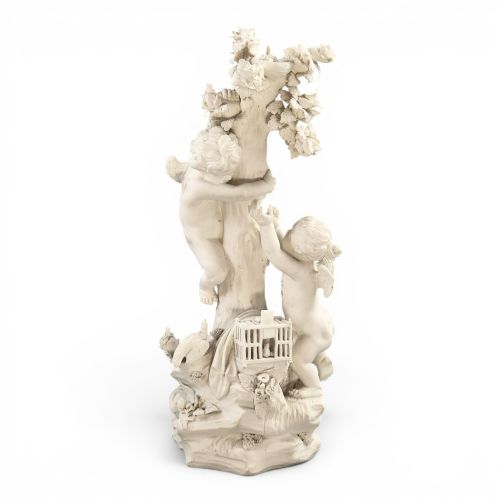
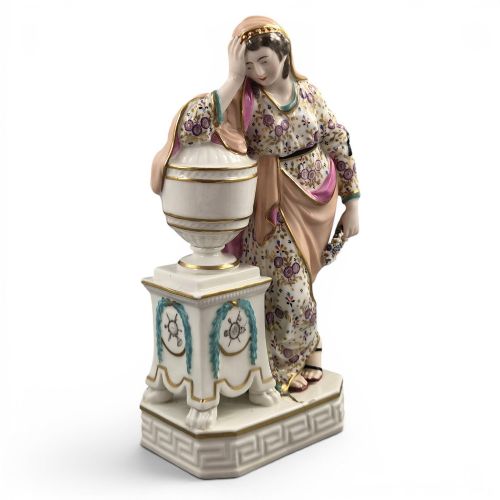
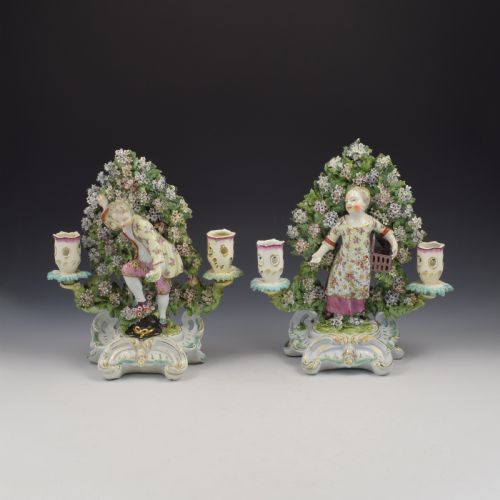
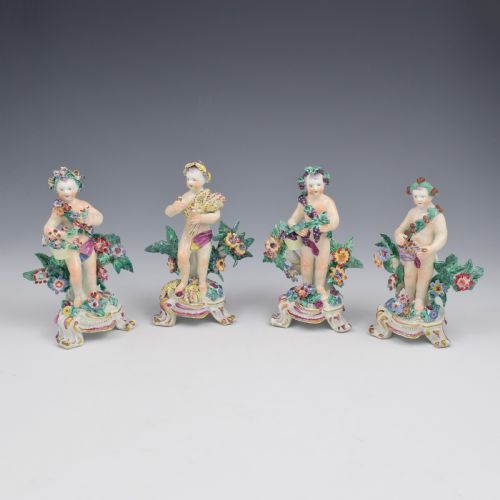
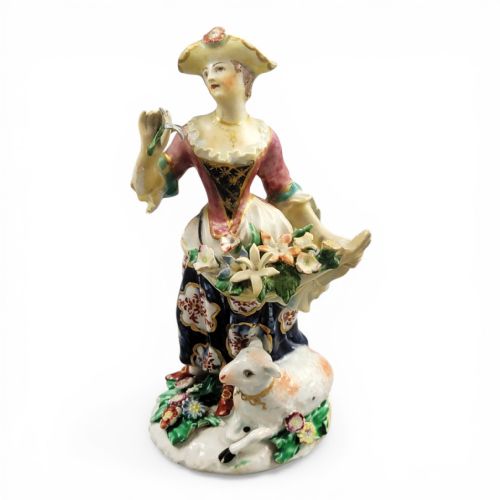
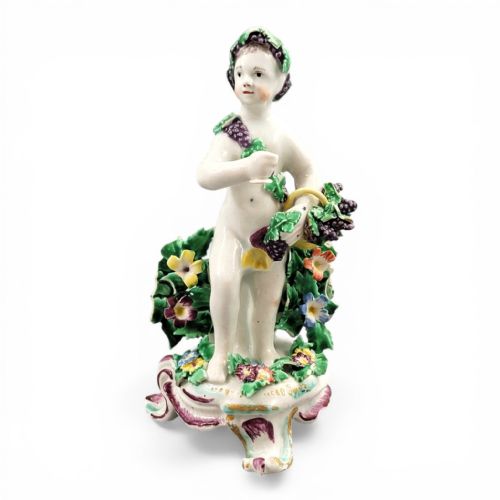
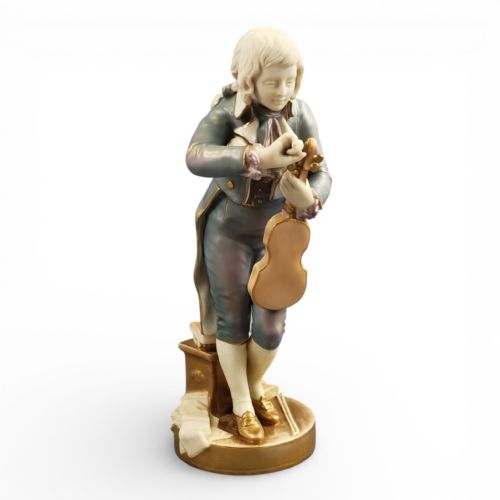
The majority of pieces you meet on this page hail from the eighteenth century, particularly associated with early Derby production. Forms include seated girls, street vendors like bun sellers, classical deities such as Diana, and complex allegorical figure groups like Father Time clipping Cupid's wings. Alongside these eighteenth-century works, later Edwardian interpretations such as musical models demonstrate the enduring appeal of the medium.
How they were made
These figures utilise soft-paste porcelain, a glassy composite body fired at lower temperatures than hard paste, which yields a characteristic creamy warmth and a softer interaction with glaze. Makers shaped these sculptural forms by hand-modelling or slip-casting in moulds before applying detailed underglaze and enamel colours.
Retail Price Guide 2026
Typical UK retail prices for soft paste porcelain figure, calculated from the Sellingantiques database of over a million retail prices indexed since 2003. This retail price guide relies exclusively on Sellingantiques data; no external sources or auction records are used, so the figures do not describe the wider market.
The listings on this site span the eighteenth century, the Georgian period, and the Edwardian era, utilising soft-paste porcelain, enamel, and gold leaf.
What varies in quality
Quality in these figures rests on the crispness of the modelling and the sensitivity of the hand-painted enamel work. Early examples show greater fluidity in the drapery and facial expressions, whereas secondary versions can feel somewhat static or heavy in the porcelain body.
The complexity of the form also distinguishes the output, shifting from simple single figures seated in chairs to multi-figure sculptural groups with elaborate bases. The precision of the gold leaf application and the preservation of delicate limbs and attributes dictate the standing of an individual piece.
William Duesbury & Co.·Royal Worcester·Derby
The Soft Paste Porcelain Figure Glossary
- Soft-paste porcelain
- An artificial porcelain composition made from white clay, glass frit, and ground sand, fired at a lower temperature than true hard-paste porcelain. This body type absorbs enamel colours deeply, producing a characteristic soft glaze texture.
- Enamel
- Vitreous coloured pigments fused to the surface of the fired porcelain during a secondary low-temperature kiln firing. These metallic-oxide paints supply the vibrant reds, blues, and yellows on clothing and decorative details.
- Gold leaf
- Extremely thin sheets of beaten gold applied to the porcelain surface for decorative enrichment. It highlights borders, garments, and accessories.
- Patch period
- A specific phase in early Derby porcelain production identified by circular kiln-prop marks on the unglazed bases of the figures. These three small square or circular blemishes result from the triangular props used to separate pieces during firing.
- Figurine
- A small, freestanding sculptural representation of a human, animal, or allegorical subject. In ceramics, these are modelled from clay and finished with glazes and enamels.
Frequently Asked Questions
What is a soft paste porcelain figure?
A soft paste porcelain figure is a sculptural ceramic object modelled from an artificial glassy paste rather than hard-paste kaolin clay. These decorative pieces depict human figures, animals, and allegorical subjects with painted enamel decoration.
They emerged from early European manufactories, particularly during the eighteenth century, where modellers translated classical and pastoral themes into delicate ceramic sculpture.
How were these figures used?
These figures served primarily as decorative ornaments for the dining tables, mantelpieces, and display cabinets of prosperous Georgian and later homes. They acted as conversational pieces that displayed the owner's taste and cultural literacy.
Many were produced as sets, such as representations of the four continents or the four seasons, intended to be arranged together as a unified decorative scheme.
How do I live with soft paste porcelain?
Living with these porcelain figures requires placing them in stable environments away from direct sunlight and heavy foot traffic that might cause vibrations. Because the soft-paste body and delicate enamel decorations are sensitive, secure display cabinets offer the best protection.
Dusting should be done gently with a soft, dry brush, avoiding harsh chemical cleaners or submersion in water.
How do I tell periods apart?
Distinguishing periods relies on examining the characteristics of the porcelain body, the style of the modelling, and any base marks. Eighteenth-century pieces often display hand-modelled nuance, softer enamel palettes, and specific manufacturing traits like patch marks.
Later Edwardian or revival pieces tend to show cleaner, whiter porcelain bodies and different moulding techniques that reflect the manufacturing standards of their respective eras.