







Multicoloured Ceramic Figure
When you search for a multicoloured ceramic figure, you are looking at centuries of modelled earth and kiln work that bring figures, animals and allegories straight to your shelf.
Multicoloured Ceramic Figure
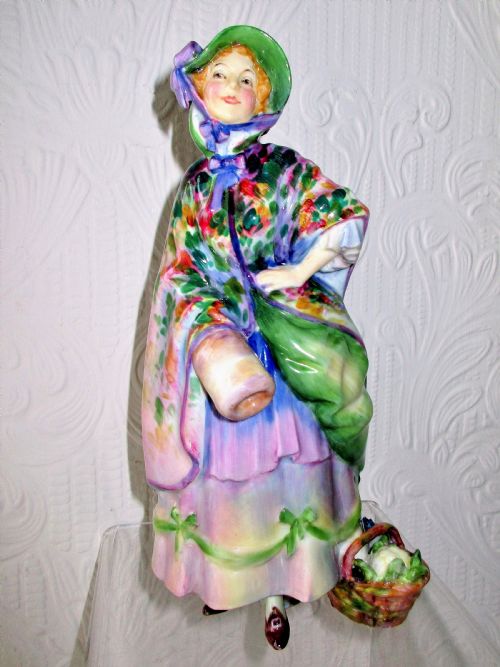
A multicoloured ceramic figure brings tangible character to a room, taking the form of human characters, animals, literary figures and historical subjects. The selection spans earthenware and porcelain pieces produced across the eighteenth, nineteenth and twentieth centuries.
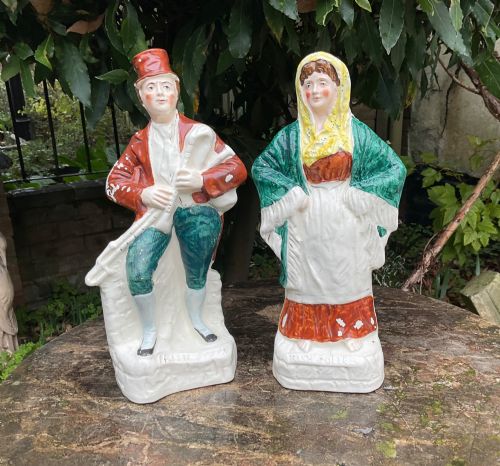
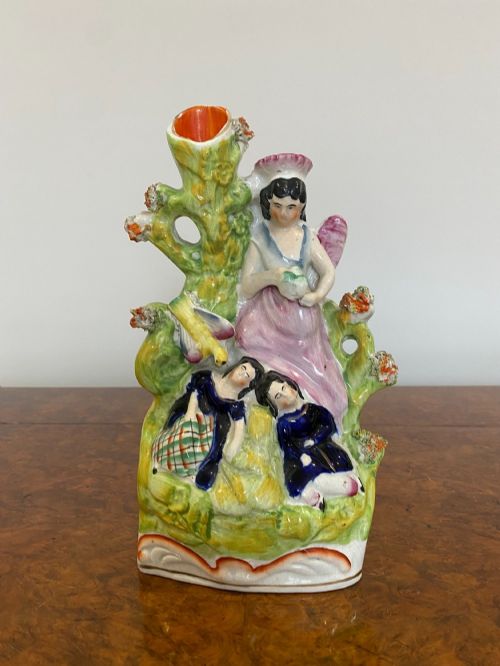
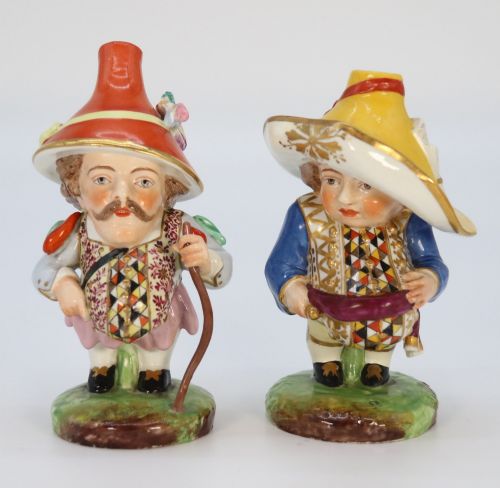
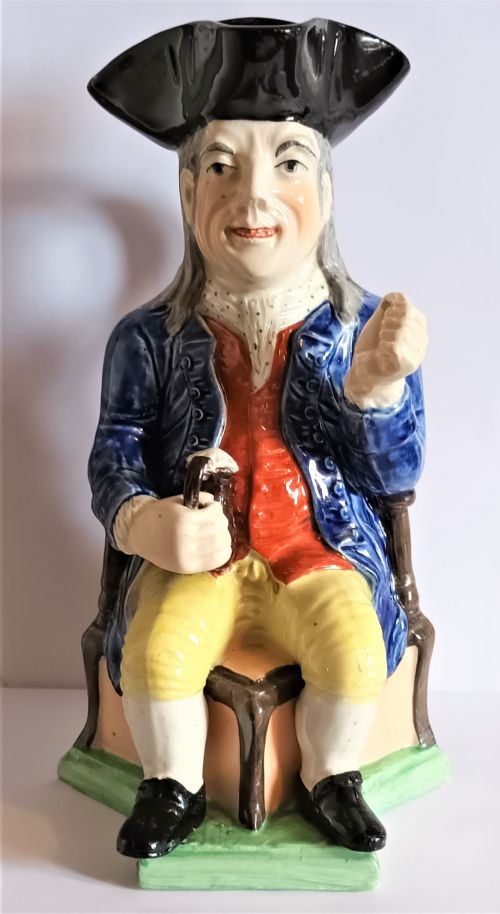
You will frequently meet Victorian Staffordshire earthenware pieces, alongside continental porcelain groups and figures originating from German, English and Dutch potteries. These range from flatback mantel ornaments and tobacco jars to Toby jugs and allegorical candlesticks.
The subjects cover everything from traditional gardeners and musicians to specific historical portraits, theatrical figures like Pierrot and Pulcinella, and traditional pastoral scenes.
How They Were Made
Makers shaped these objects using clay, earthenware or porcelain, often employing moulds to form the baseline body before hand-finishing details. Potters applied lead glaze or enamel colours over the surface to achieve the characteristic vibrant palette.
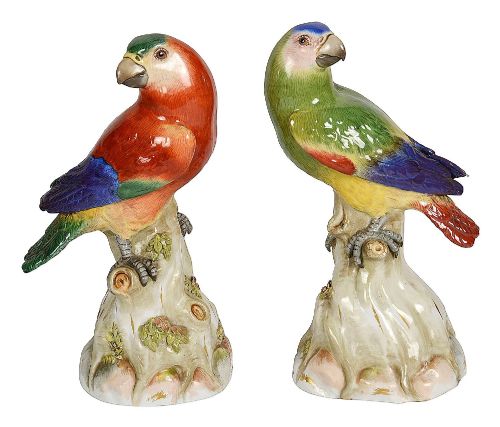
Firing took place in kilns where decorators added gold leaf or painted pigments directly onto the ceramic body or glaze layer. Continental factories such as Meissen and Volkstedt utilised porcelain pastes, whilst English makers relied heavily on robust earthenware.
Multicoloured Ceramic Figure Retail Price Guide 2026
Typical asking prices for multicoloured ceramic figure among the pieces listed under this phrase on Sellingantiques today, from the lower quarter to the upper quarter. They describe what is for sale here now, not the wider market.
A nineteenth-century ceramic goat stands ready to guard the mantelpiece.
What Varies in Quality
Deeper artistic expression in the posture and expression of subjects separates standard commercial output from finer workshop productions. The preservation of original gilding and glaze integrity also dictates the standing of each piece.
Meissen·Royal Doulton·Volkstedt·Triebner Ens And Eckert·Gotthelf Greiner·Lakin And Poole·Rozenburg·Minton
The Multicoloured Ceramic Figure Glossary
- Flatback
- A ceramic figure modelled fully on the front and sides with a flat, unglazed or minimally finished back designed to sit flush against a wall.
- Earthenware
- A porous pottery body fired at lower temperatures, commonly used for traditional English Staffordshire figures and Toby jugs.
- Enamel
- Opaque glass-like paint applied over the glaze and fired at a lower temperature to provide vibrant multicoloured surface decoration.
- Spill Vase
- A hollow cylindrical holder attached to a figure designed to hold wooden spills for lighting fires and candles.
- Bisque
- Unglazed porcelain fired once to create a matte, porous white surface with a texture akin to marble.
Multicoloured Ceramic Figure: Frequently Asked Questions
How do I spot a flatback figure?
A flatback figure has a finished front and sides while the reverse remains flat and unadorned. This design allowed figures to sit neatly on narrow mantelpieces.
Staffordshire makers produced thousands of these for domestic display during the Victorian era.
What is a spill vase figure?
A spill vase figure incorporates a small attached cylindrical holder beside the main subject. Victorians used these tubes to store wooden spills for transferring flames from hearth fires to candles.
They combine sculptural storytelling with practical everyday utility for the Victorian parlour.
How do porcelain and earthenware differ?
Porcelain uses a refined white paste fired at high temperatures until vitrified and partially translucent. Earthenware is heavier, opaque, and made from coarser clay fired at lower heats.
Continental factories favoured porcelain for intricate figures, whilst English potteries relied on earthenware for robust mantel ornaments.