




Collectable Pottery Statue
These collectable pottery statue pieces span Victorian portrait figures and Art Deco studio ceramics, offering character and history for any room.
Collectable Pottery Statue
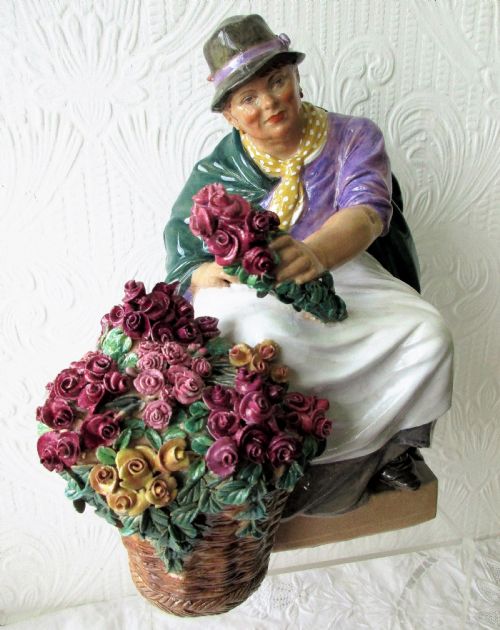
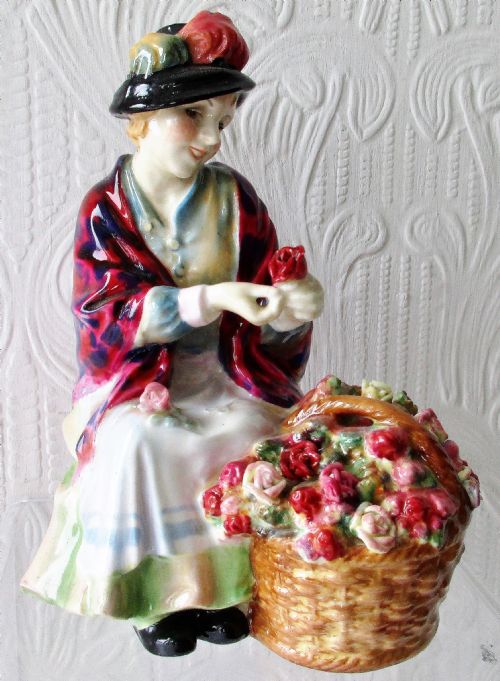
A collectable pottery statue brings sculptural form and glazed colour into a room, representing figures from everyday flower sellers to historical royals. When searching for a collectable pottery statue, a buyer encounters everything from nineteenth-century Staffordshire portrait groups to twentieth-century studio ceramics.
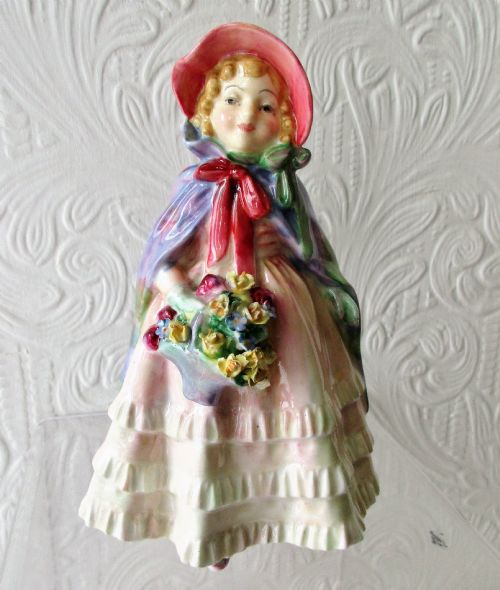
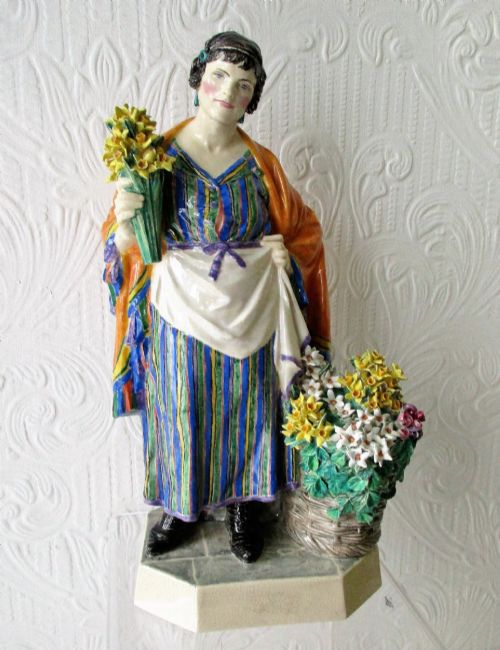
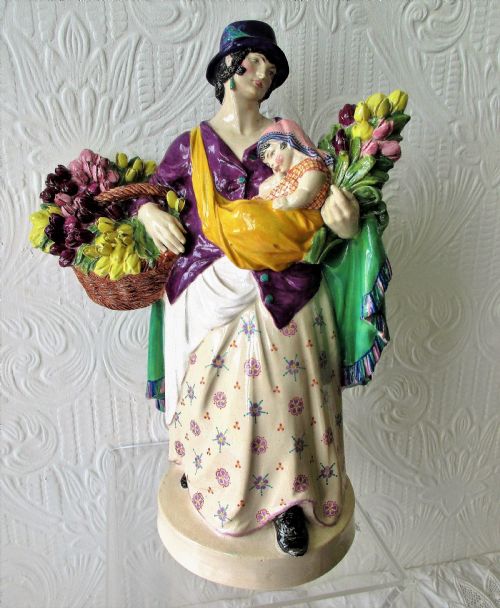
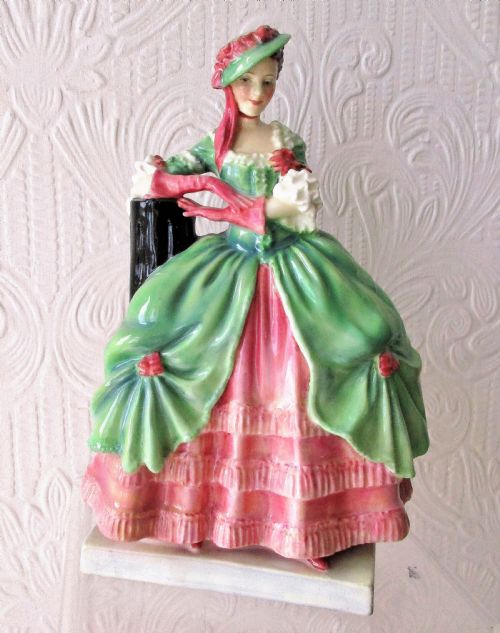
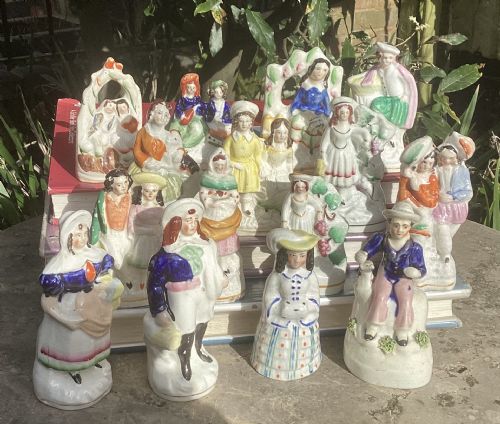
The selections on this page lean heavily towards English porcelain and earthenware figurines. Pieces range from Victorian Staffordshire depictions of Queen Victoria and Louis Napoleon to Royal Doulton porcelain characters and Charles Vyse studio works from the nineteen-twenties.
Formats vary from modest nineteenth-century miniature figures to substantial Art Deco studies. Collectors find both single character studies and matched pairs reflecting specific periods of British ceramic production.
How They Were Made
The pieces rely on traditional ceramic bodies including earthenware, bone china, and porcelain. Makers shaped these materials through moulding or hand-modelling before applying initial bisque firings.
Surfaces receive decoration via hand-painted glaze and enamel techniques. Artisans applied coloured glazes and detailed overglaze enamels to bring out facial expressions and costume details before final kiln firings.
Collectable Pottery Statue Retail Price Guide 2026
Typical asking prices for collectable pottery statue among the pieces listed under this phrase on Sellingantiques today, from the lower quarter to the upper quarter. They describe what is for sale here now, not the wider market.
Staffordshire potters once immortalised both royalty and notorious criminals in clay, giving living rooms strange bedfellows indeed.
What Varies in Quality
Production standards differ between mass-moulded commercial figures and individual studio pottery. Earlier Staffordshire works show robust folk charm, whilst porcelain figures from later decades focus on delicate detail.
Royal Doulton·Charles Vyse·Wedgwood and Co Ltd
The Collectable Pottery Statue Glossary
- Earthenware
- A porous pottery body fired at lower temperatures than stoneware or porcelain. It requires an impermeable glaze to hold liquids and forms the base for many traditional figures.
- Bone China
- A type of porcelain incorporating animal bone ash for strength and translucency. It allows for thinner walls and delicate detailing in twentieth-century figurines.
- Enamel
- Opaque glass fused to the ceramic surface during a low-temperature firing. It provides vibrant, glossy colours that sit on top of the base glaze.
- Bisque
- Unglazed pottery fired once to harden the clay body before decoration. Some sculptural pieces leave parts of the surface in this matte state for texture.
Collectable Pottery Statue: Frequently Asked Questions
What is a collectable pottery statue?
A collectable pottery statue is a ceramic figurine or sculptural group produced for display rather than utility. These pieces capture human figures, historical personalities, and literary characters in fired clay.
They serve as decorative cabinet pieces or mantel ornaments, reflecting the dominant ceramic styles and social interests of their respective periods.
How do I date a ceramic figure?
Dating relies on stylistic markers, base stamps, and manufacturing materials. Victorian pieces often use earthenware with simple hand-painting, whilst twentieth-century items incorporate specific factory marks and impressed numbers.
Studying costume details and glaze types also helps narrow down the decade of production for unmarked examples.
Where were these figures made?
The pieces shown originate primarily from British kilns and studios. Major production centres included Staffordshire for nineteenth-century earthenware and various urban workshops for twentieth-century studio art.
Regional potteries utilised local clay traditions and specific glazing techniques that identify their geographic origins.
How do I care for pottery statues?
These ceramic pieces require gentle dusting with a soft, dry brush. Avoid harsh cleaning solutions or water immersion, which can damage delicate overglaze enamels and historic repairs.
Keep them away from direct sunlight and areas prone to heavy temperature fluctuations to protect the glaze and body.