



Porcelain Lady Figurine
When you search for a porcelain lady figurine, you meet glazed and biscuit figures shaped across centuries by European and Japanese potteries.
Porcelain Lady Figurine
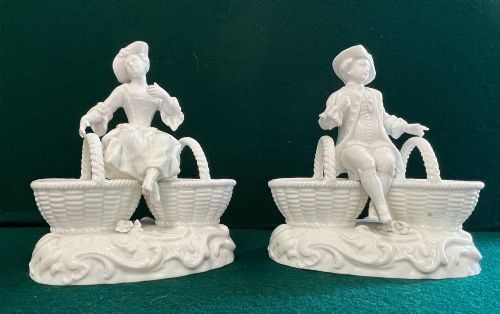
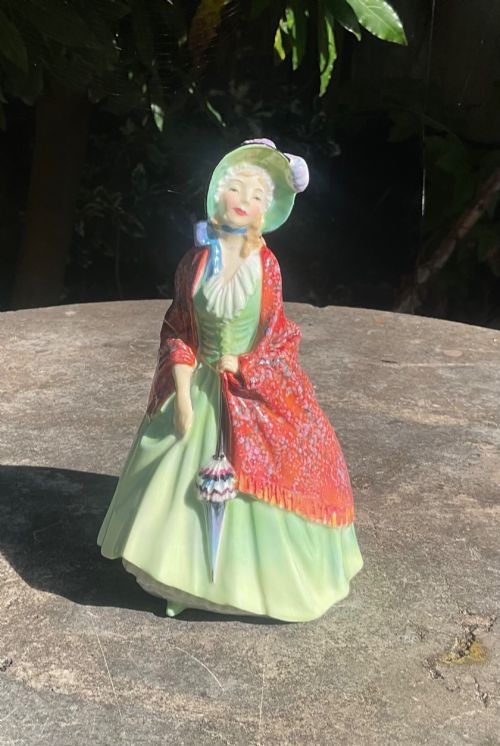
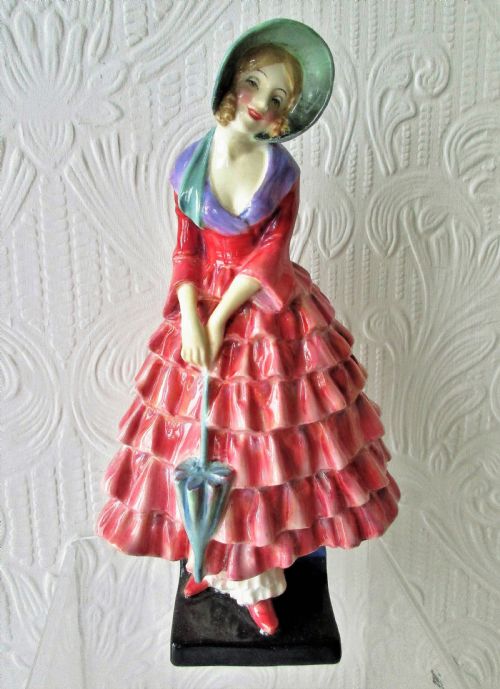
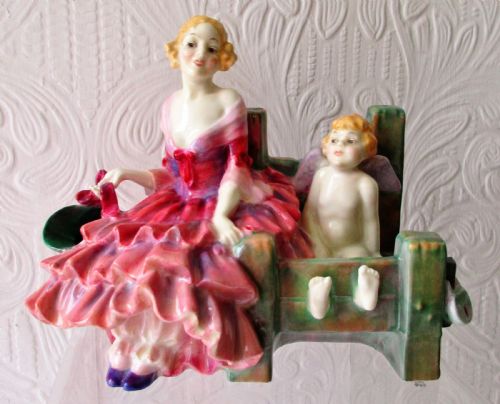
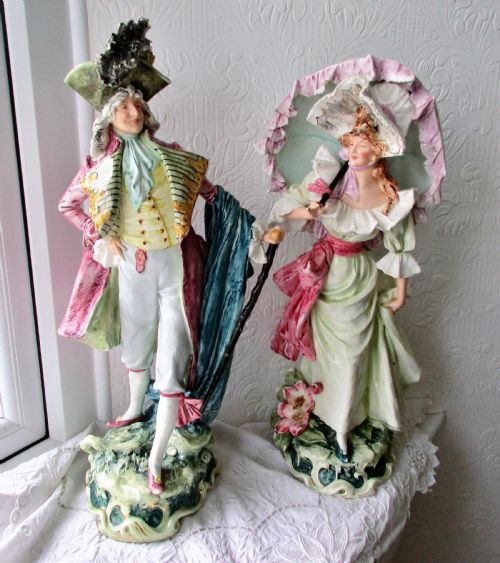
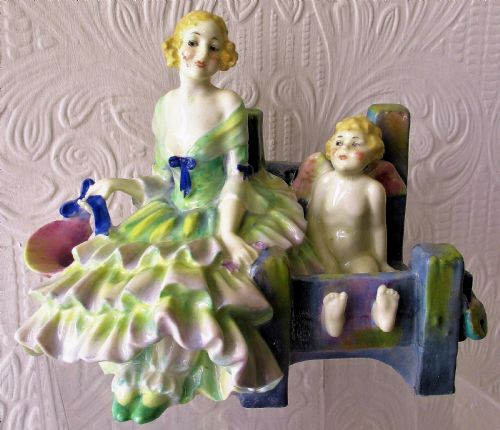
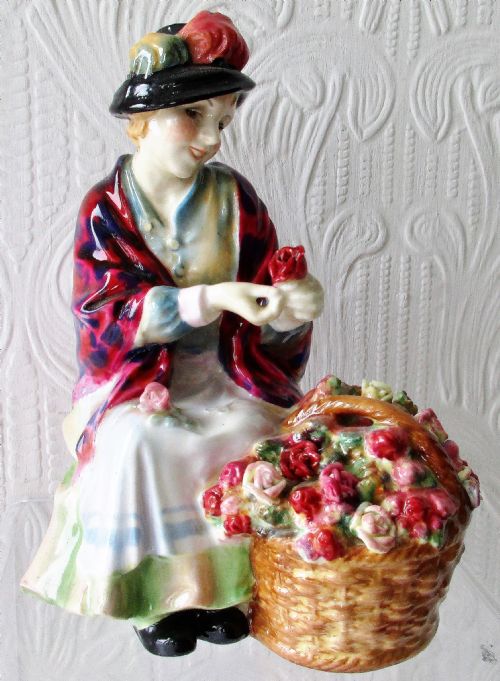
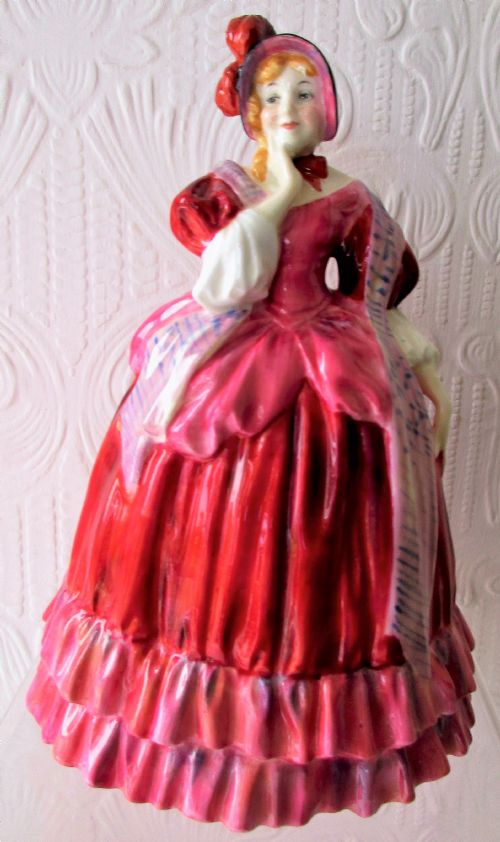
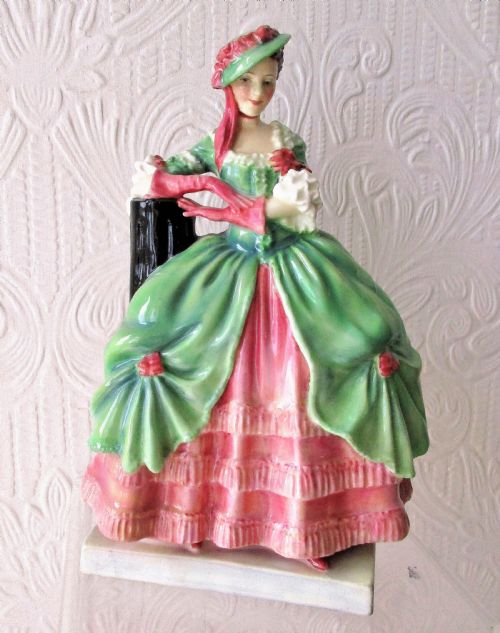
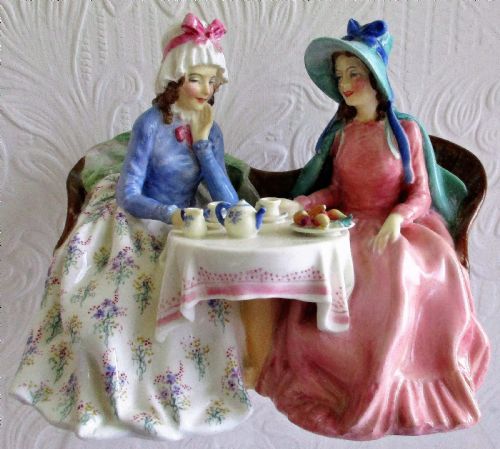
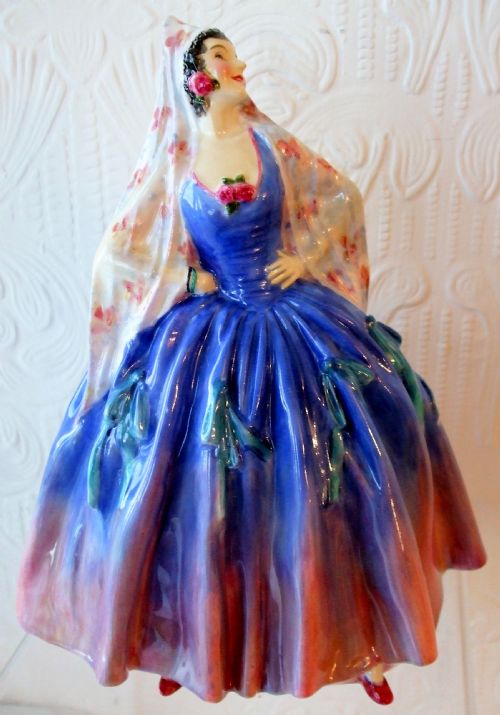
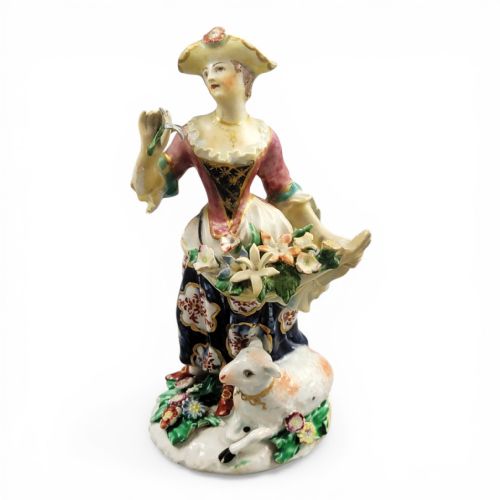
A porcelain lady figurine represents female subjects ranging from 18th-century court figures and 19th-century romantic pairs to Art Deco powder box halves and 1930s English ceramic characters.
The versions most commonly met on this page span the 19th century up to the 1940s, including English bone china pieces and continental European glazed ceramics.
These objects function as decorative sculptures, dresser accessories, and lidded trinket boxes shaped to depict graceful maidens, historical heroines, and traditional dancers.
How they were made
Potters shaped these figures using porcelain, bone china, ceramic, and parian ware, often applying transparent or coloured glazes alongside enamel details.
Many items incorporate gilding and gold leaf highlights to accentuate robes, headwear, and bases, particularly within 19th-century and Edwardian workshops.
Makers utilised moulding and casting techniques before hand-painting facial expressions and garments prior to high-temperature kiln firing.
Materials range from glazed porcelain and enamel to parian ware and bone china across European and Japanese origins.
What varies in quality
The standard of a piece rests in the crispness of the mould and the control shown in the hand-painted enamel and gilt work across the robes.
Preservation of original surface lustre, glaze integrity, and delicate extremities dictates the standing of individual items.
Royal Doulton·Meissen·Royal Worcester·Royal Dux·Bow Porcelain·Ludwigsburg Porcelain·Ernst Wahliss·Vion et Baury·Samson·Royal Vienna
The Porcelain Lady Figurine Glossary
- Biscuit porcelain
- Unglazed ceramic material fired once to leave a matte, tactile surface similar to marble. It is frequently found on 19th-century French and English figural groups.
- Bone china
- A type of porcelain containing bone ash that produces a strong, slightly translucent body. English potteries utilised this extensively for mid-century character studies.
- Enamel
- Opaque vitreous glass fused to the surface of fired ceramics to add vibrant colour. It provides the reds, blues, and yellows on garments and floral motifs.
- Parian ware
- A fine-grained, unglazed porcelain developed to imitate marble sculpture. Victorian makers employed it for classical and romantic female figures.
- Faience
- Tin-glazed earthenware produced across continental Europe. It offers a heavier body than hard-paste porcelain and a distinctive opaque white ground.
Porcelain Lady Figurine: Frequently Asked Questions
How do I clean antique porcelain figures?
Dust these delicate pieces gently with a soft, dry brush to prevent accumulation in crevices and folds of the robes. Avoid soaking or using harsh detergents that can degrade enamel colours and fragile gilding.
Keep figures away from direct sunlight and areas subject to sudden temperature shifts to protect the glaze and body. Handle them firmly by the base rather than extended fingers or applied flowers.
Were these figurines always decorative?
While most functioned purely as mantel or cabinet sculptures, many 20th-century examples served a dual purpose. Art Deco powder boxes and dresser jars incorporated female figures as functional lids.
Other pieces were designed as desk ornaments, spill holders, or accompaniments to larger tableaus featuring cavaliers and romantic couples. Their dual nature reflected changing interior styles across the Edwardian era and the 1930s.
How can I tell the period of a figure?
Dating relies upon inspecting base marks, the style of clothing, and the manufacturing medium, such as parian ware or bone china. 18th-century pieces often display hand-modelled floral elements and underglaze blue factory ciphers.
Later Victorian and Edwardian examples show distinct moulding techniques and printed stamps. Comparing the subject matter, such as Art Deco flappers versus Georgian ladies, provides a clear chronological guide.
Why do some figures have missing parts?
The delicate nature of porcelain leaves protruding elements like fingers, lace ruffles, and flower petals vulnerable to accidental impact over generations. Fingers, musical instruments, and baskets carried by the figures represent common areas of historical repair or loss.
Examining these zones under magnification helps identify original modelling versus later restoration work. Collectors often accept minor honest wear provided the main body remains stable.