



Art Deco Porcelain Statuette
An art deco porcelain statuette captures the spirited geometry and elegance of its era, offering a characterful focal point for a collector.
Art Deco Porcelain Statuette
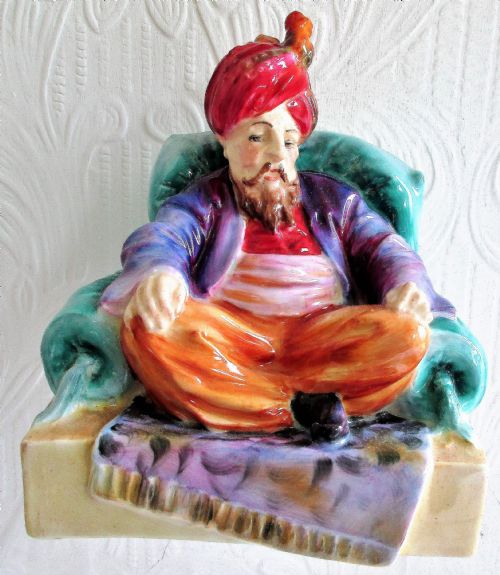
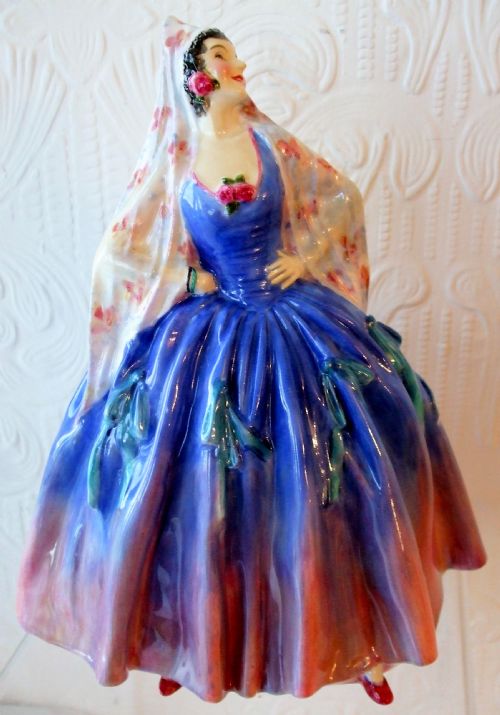
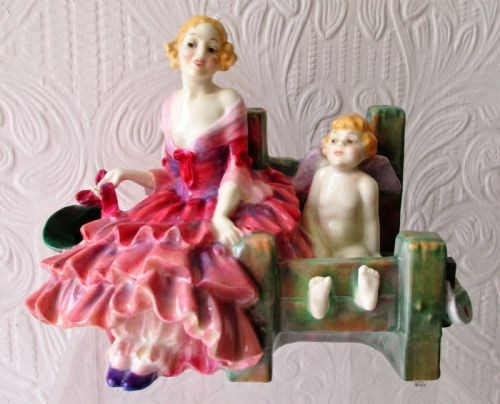
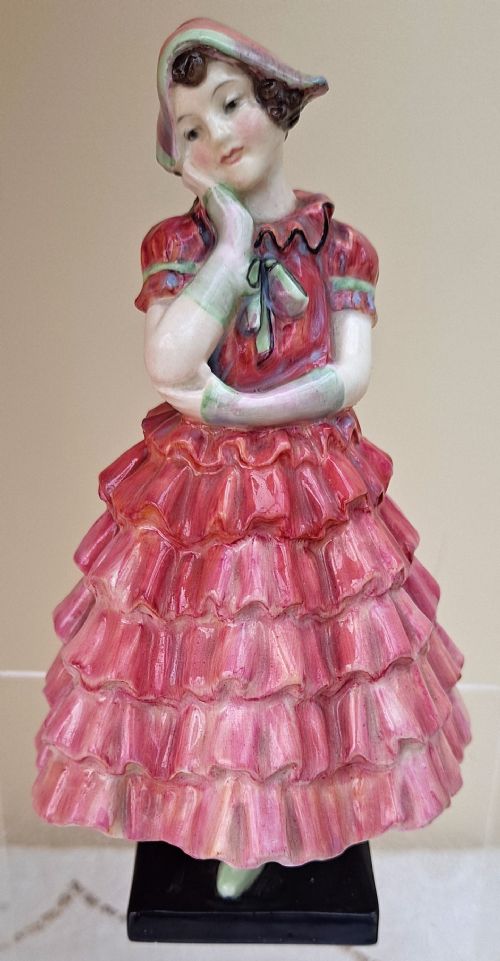
An art deco porcelain statuette brings sculptural form from the early twentieth century into a modern interior. These pieces take the shape of detailed figurines representing human characters and graceful nudes, reflecting the distinct aesthetic of the interwar period. Most items date from the nineteen thirties, capturing the height of the style.
The selection here encompasses English porcelain figures alongside continental European work. Makers from the nineteen twenties and nineteen thirties produced distinct character studies and sculptural groups. Buyers encounter named subjects alongside graceful female forms.
Forms range from individual character studies to paired figures and artistic groups. Each statuette relies on the characteristic modelling typical of the era to define posture and drapery.
How they were made
Production relies on hard-paste porcelain and bone china, fired at high temperatures to create a durable, smooth body. Artisans then applied ceramic glaze to seal the surface and provide a reflective sheen. Gilding appears on select examples to highlight fine details.
Art Deco Porcelain Statuette Retail Price Guide 2026
Typical asking prices for art deco porcelain statuette among the pieces listed under this phrase on Sellingantiques today, from the lower quarter to the upper quarter. They describe what is for sale here now, not the wider market.
Listings feature porcelain and bone china from the nineteen twenties, nineteen thirties, and nineteen forties.
What varies in quality
Quality rests primarily in the crispness of the modelling and the precision of the hand-painted details. Finer examples display sharp facial expressions and clean separation of colours without blurring at the edges of the glaze. The fluidity of the pose separates superior sculptural work from stiffer commercial production.
The application of glaze and gilding also indicates the level of craftsmanship involved. Even tones and careful brushwork distinguish the more accomplished figures from simpler counterparts.
Royal Doulton·Shelley·Royal Dux·Karl Tutter
The Art Deco Porcelain Statuette Glossary
- Hard-paste porcelain
- A dense, vitrified ceramic material fired at very high temperatures. It provides a durable base that resists scratching and holds fine sculptural detail.
- Bone china
- A type of porcelain incorporating bone ash for added strength and a characteristic milky translucency. It allows for thinner walls in figurine modelling.
- Ceramic glaze
- A vitreous coating fused to the porcelain body through firing. This layer provides colour, pattern and a protective glossy finish.
- Gilding
- The application of gold leaf or powdered gold paint to ceramic surfaces. It accents borders, garments and decorative motifs.
- Figurine
- A small carved or moulded statuette representing a human or animal figure. These objects serve a purely decorative function in interior display.
Art Deco Porcelain Statuette: Frequently Asked Questions
What is an art deco porcelain statuette?
These pieces are small sculptural figures created during the interwar years, reflecting the geometric and streamlined design movements of the time.
They depict human subjects, narrative scenes, and graceful studies in glazed ceramic.
How do I display an art deco porcelain statuette?
Place them on stable surfaces away from high-traffic areas where they might be knocked or damaged.
Good lighting helps reveal the subtle application of glaze and the fine details of the modelling.
How can I tell the period of these figures?
Stylistic cues such as costume design, facial hair, and the distinct posture of the figures point towards the interwar decades.
Makers often used specific numbering systems and backstamps to record the year or era of production.
What materials make up these statuettes?
The bodies consist of hard-paste porcelain, bone china, or standard ceramic formulations shaped by skilled modellers.
Artisans then finished the pieces using coloured ceramic glazes and occasional applications of metallic gilding.