

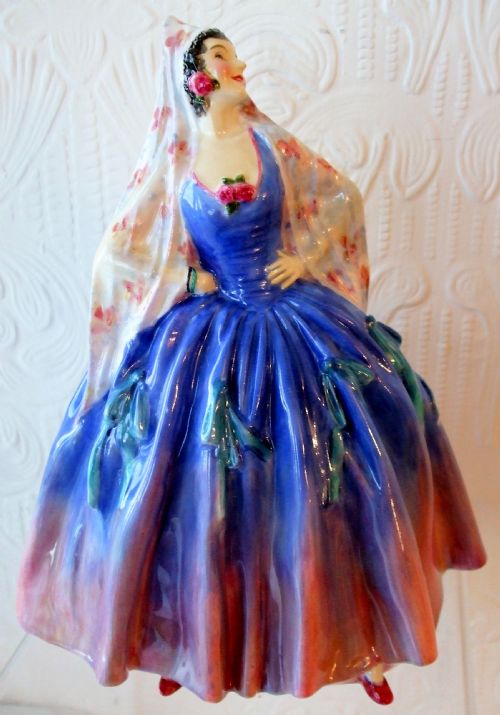


Collectable China Figurine
A collectable china figurine brings character and period charm into a room, offering a tangible link to early twentieth-century ceramic artistry.
Collectable China Figurine
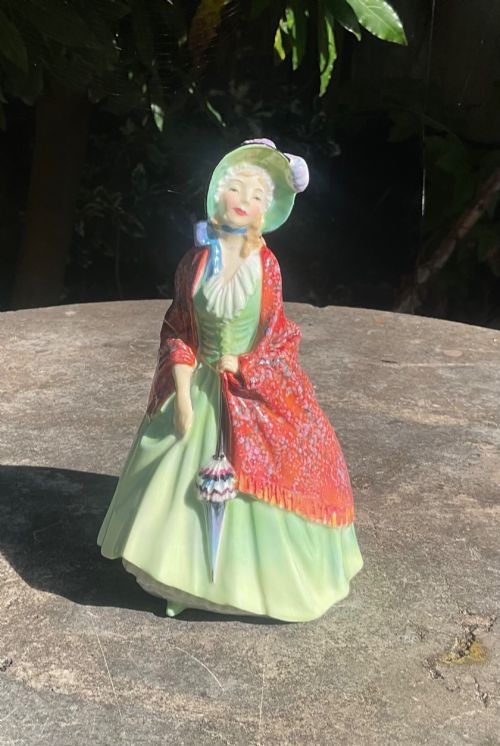
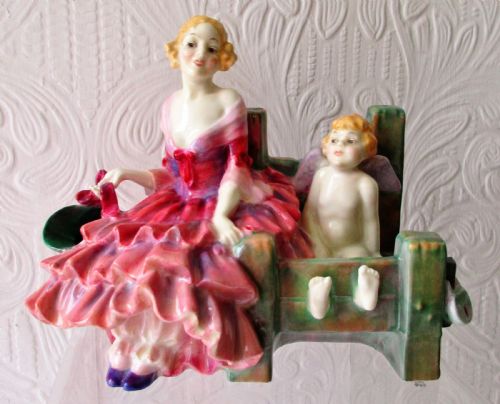
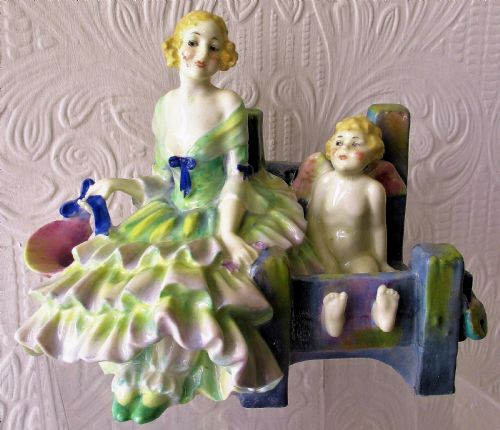
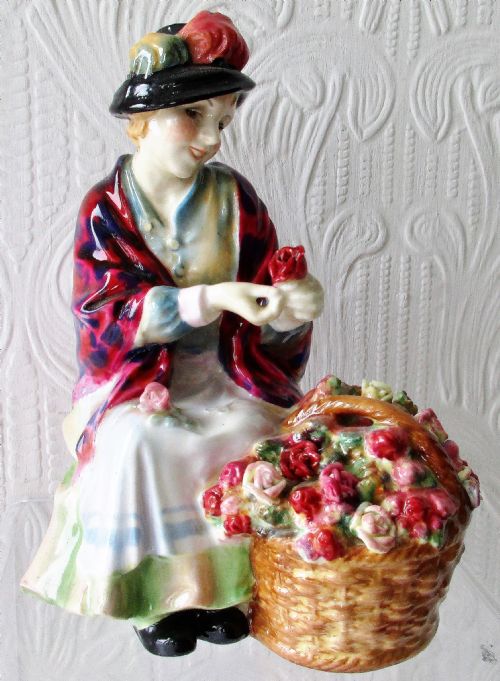
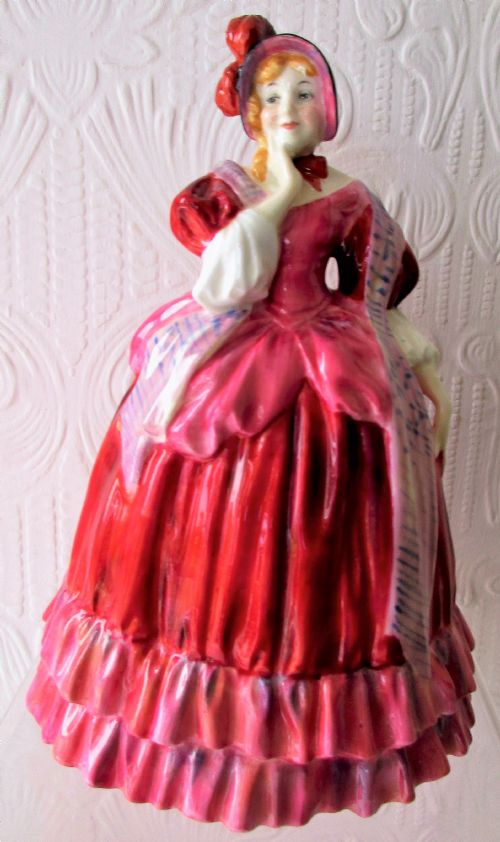
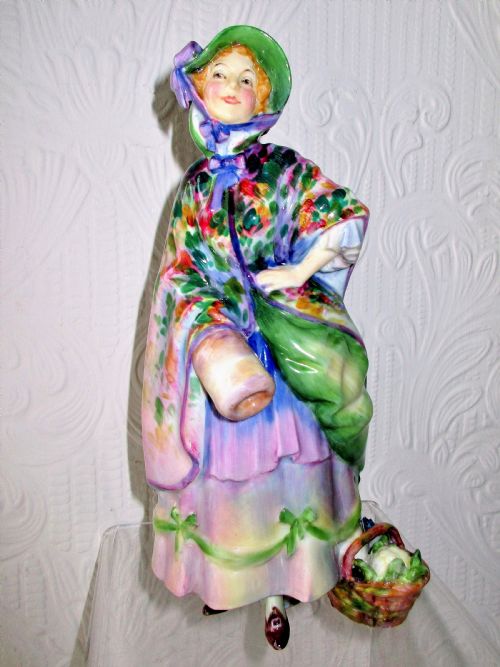
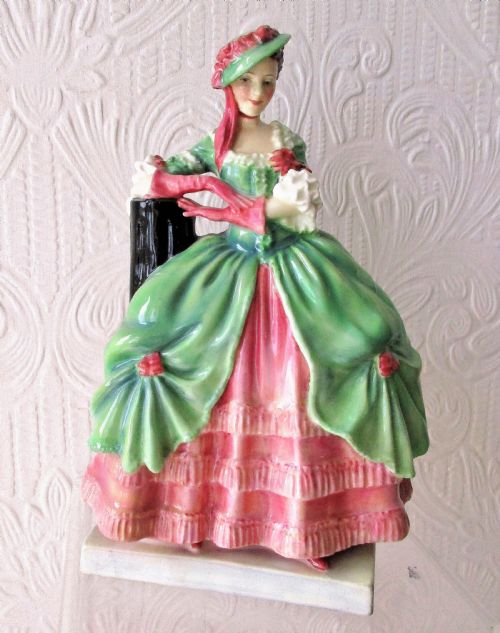
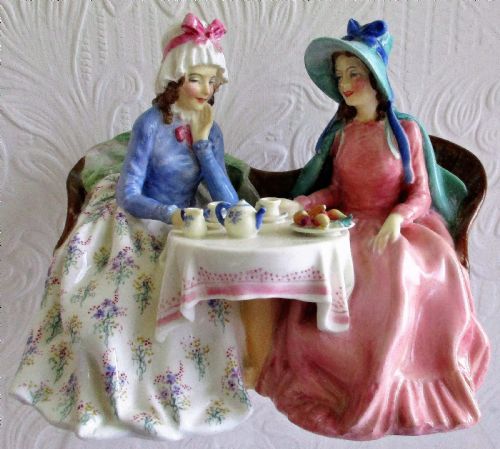
When searching for a collectable china figurine, buyers encounter a diverse selection spanning the nineteenth century through to the mid-twentieth century. The most common examples on this page are mid-period English porcelain figures depicting named characters, ladies in historical dress, and children.
The objects take several forms, ranging from standard decorative figurines to functional candle snuffers shaped like animals or figures. Pieces emerge from notable English potteries alongside continental German porcelain works and revival styles.
Dating ranges from Victorian and Edwardian items up to pieces marked from the nineteen-fifties. Collectors frequently find named editions carrying specific shape numbers or design monikers.
Materials and manufacture
Makers shaped these figures using fine porcelain, bone china, and standard ceramic compositions. Skilled hands applied colourful ceramic glaze and enamel details by brush before firing.
Selected details often received delicate applications of gold leaf to accentuate garments and accessories. Moulding techniques varied from mass production to individual studio casting depending on the era and workshop.
Styles represented include Art Deco, Rococo Revival, Edwardian, and Mid-Century English designs.
Assessing quality and finish
Quality rests upon the crispness of the moulding and the delicacy of the hand-painted enamel work. Superior examples exhibit precise facial expressions and clean application of gold leaf without bleeding.
Early versions and first-year production runs command attention for their sharper detail compared to later derivative castings. The fluidity of the glaze and the preservation of the original ceramic body determine the overall integrity of the piece.
Royal Doulton·Royal Worcester·Mabel Lucie Attwell Shelley·Wedgwood and Co
The Collectable China Figurine Glossary
- Bone china
- A type of soft-paste porcelain containing animal bone ash that creates a milky white appearance. It allows for thinner walls and greater translucency than standard ceramic bodies.
- Candle snuffer
- A small functional figurine fitted with a cone or hood on a handle. Victorian and Edwardian households used these to extinguish candle flames safely.
- Glaze
- A glassy layer melted onto the ceramic body to seal the porous clay underneath. It gives the figurine its characteristic smooth and glossy finish.
- Gold leaf
- Hammered sheets of pure or alloyed gold applied to surface details. Makers used this material sparingly to highlight decorative borders and accessories.
Collectable China Figurine: Frequently Asked Questions
What periods do these figurines date from?
The inventory spans the nineteenth century, the Edwardian era, and the nineteen-twenties through to the nineteen-fifties. Most pieces reflect early twentieth-century English manufacturing.
Specific dates appear on stamps or painted marks beneath the base, helping to separate original runs from later editions.
How do I identify a first-year version?
Makers sometimes inscribed specific year indicators, numbers, or special stamps into the porcelain base. First-year versions often display sharper facial painting and crisper mould lines.
Comparison with standard production pieces clarifies whether a figure belongs to an initial release.
Where were these ceramic figures made?
English potteries dominate the selection, alongside continental German porcelain workshops. Major factories operated out of traditional ceramics hubs in the United Kingdom.
Regional marks and backstamps provide definitive evidence of geographic origin.
How were candle snuffers used?
Households used candle snuffers to extinguish burning candles by placing the hollow hood directly over the flame. This method reduced smoke and prevented hot wax from splattering.
Many of these functional items were modelled as animals or characters for decorative display.