
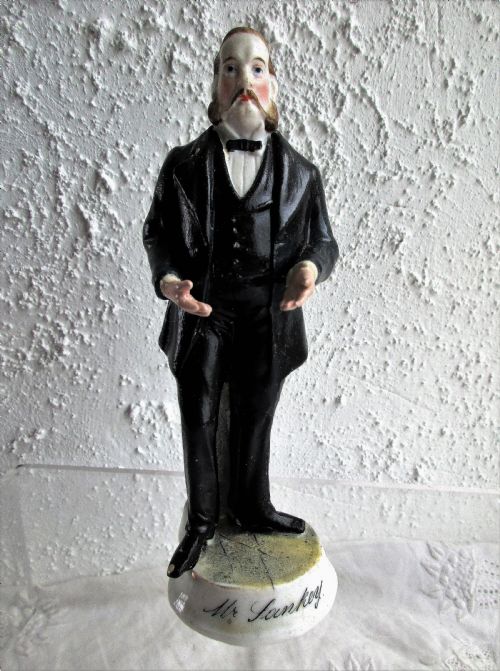
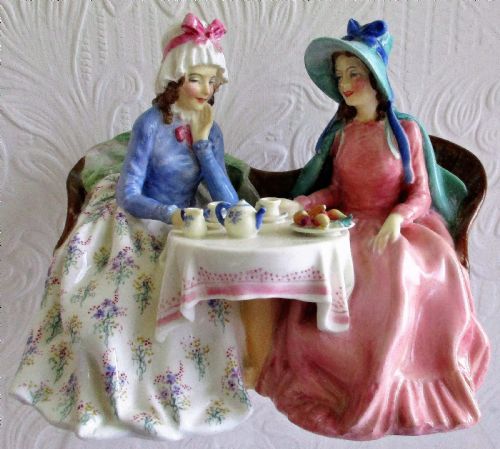
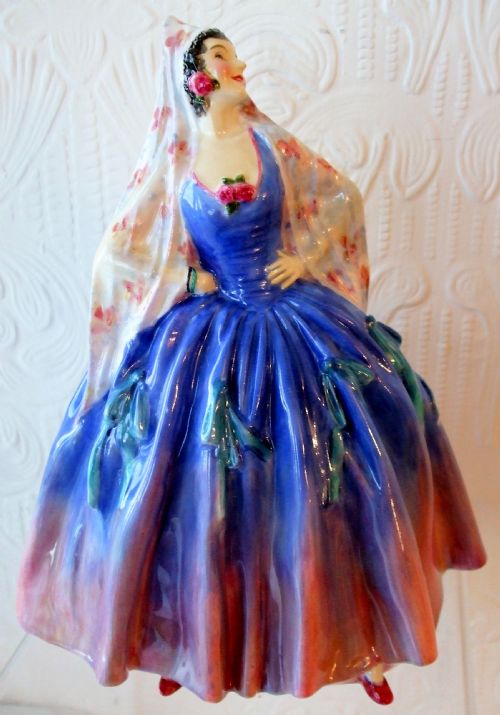


Hand Painted Porcelain Statuette
These hand painted porcelain statuette pieces bring character and history into a room through finely modelled figures and painted details.
Hand Painted Porcelain Statuette
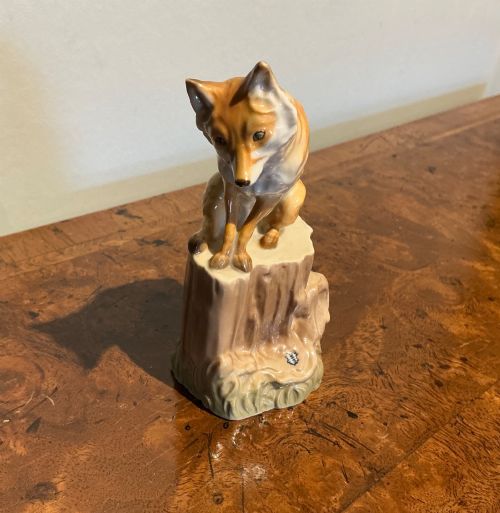
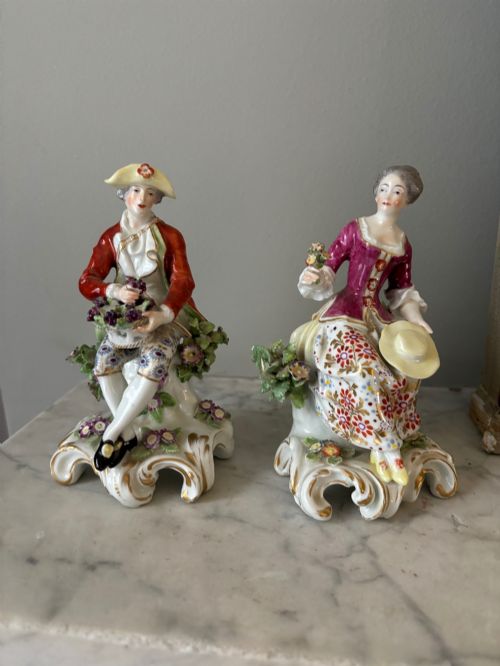
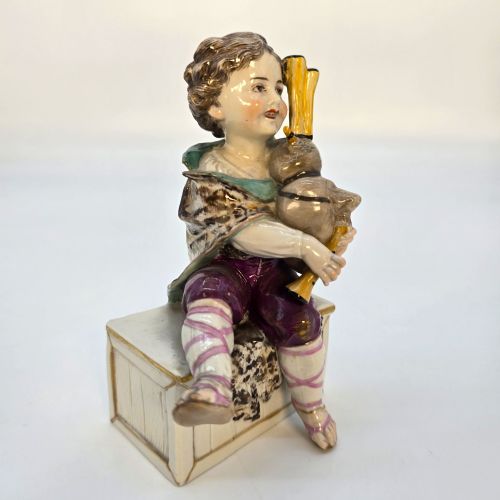
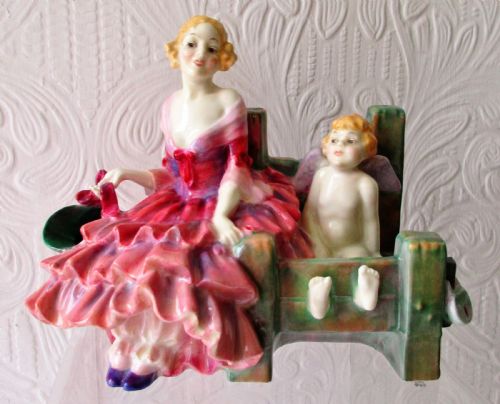
A hand painted porcelain statuette represents human, animal or allegorical subjects modelled in ceramic and finished with detailed brushwork. Buyers searching this phrase typically encounter Continental and English figures ranging from eighteenth century figures to twentieth century works.
Moulded porcelain forms serve as the foundation for hand applied enamel colours and gilding. These domestic ornaments reflect the changing stylistic preferences of Georgian, Victorian and early twentieth century makers.
Materials and Techniques
Makers utilised hard paste porcelain and bone china bodies, shaped using moulds and finished with hand modelled additions such as leaves and flowers. Firing fixed the ceramic body before artists applied polychrome enamel colours and glaze.
Gilding and gold leaf accents were painted onto specific areas before a final lower temperature firing to bond the metallic highlights. Biscuit porcelain pieces remained unglazed to display a smooth, matte finish akin to carved marble.
Materials recorded across the inventory include enamel, gold leaf, glaze and unglazed biscuit porcelain.
Evaluating Quality
Quality rests in the crispness of the modelling and the precision of the hand painting. Superior examples retain delicate facial expressions, fine hand formed details and clean brushwork without bleeding enamels.
The sophistication of the factory and the skill of the individual decorator dictate the refinement of the piece. Early porcelain bodies and well preserved gilding elevate the standing of a statuette within its period.
Meissen·Royal Doulton·Volkstedt Rudolstadt Factory·Carl Thieme Dresden·Edme Samson
The Hand Painted Porcelain Statuette Glossary
- Biscuit
- Unglazed porcelain fired once to create a matte, porous finish resembling marble. This technique highlights fine sculptural details.
- Bocage
- An intricate background of modelled leaves and branches common in eighteenth and nineteenth century figures. It creates a leafy arbour behind the subject.
- Hard-paste
- A durable porcelain composition fired at very high temperatures. It uses kaolin and petuntse to achieve a bright, vitrified body.
- Gilt
- A thin layer of gold applied to the porcelain for decorative highlights. It catches the light on garments and bases.
Hand Painted Porcelain Statuette: Frequently Asked Questions
How do I clean an antique statuette?
Dust gently with a soft dry brush to protect delicate painted surfaces and fragile modelled elements like fingers or leaves. Avoid immersion in water, especially on pieces with cold painted highlights or old repairs.
Keep figures away from direct sunlight to prevent enamel fading over time. Handle them firmly by the base rather than projecting limbs.
Were these figures meant for display?
These pieces served as decorative ornaments for mantelpieces, dining tables and cabinets in prosperous homes. They often came in pairs or larger sets depicting seasonal themes or theatrical characters.
Over generations, collectors moved them into dedicated display cases. Their primary purpose remained visual delight and conversational interest.
How can I tell the period?
Examine the base for factory marks, impressed numbers and the character of the porcelain paste. Early figures often show unglazed foot rims and softer enamel palettes.
Stylistic cues such as Rococo curves or Victorian clothing styles offer clues to the date. Comparing modelling depth and painting technique helps narrow down the era of production.
Why do some figures have marks?
Factory marks helped identify the workshop of origin and maintained quality standards across production runs. Crossed swords, anchors and factory initials appeared painted or impressed underneath.
Some later makers reproduced earlier factory marks to honour historic styles. Researching the specific mark alongside the paste and painting style clarifies the piece's history.