


Multicolour Porcelain Figurine
A multicolour porcelain figurine brings spirited colour and sculptural charm to a mantelpiece, capturing historical characters and allegorical scenes in glazed ceramic.
Multicolour Porcelain Figurine
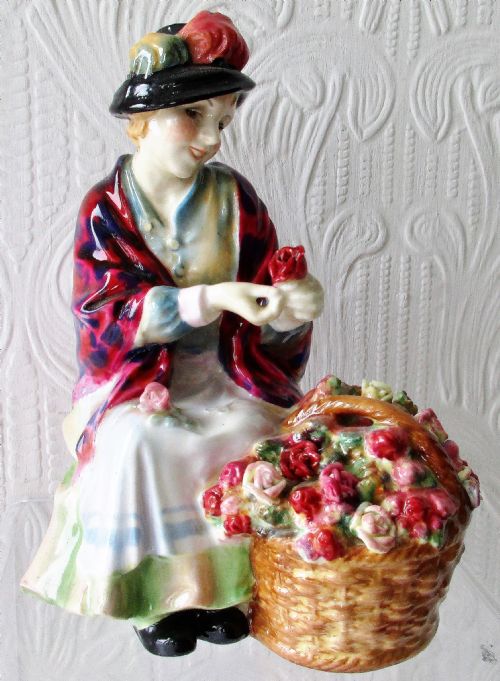
A multicolour porcelain figurine takes the form of human figures, street sellers, and literary characters rendered in three dimensions. Collectors encounter works spanning the Georgian era through to the mid-twentieth century, originating from English potteries, continental factories, and Japanese kilns.
The selection here encompasses standalone glazed figures, pairs of candlesticks, and watch holders. Pieces draw upon diverse stylistic traditions including Victorian realism, Rococo revivalism, Chinese export wares, and Art Deco design.
Makers ranging from Staffordshire potteries and Samson of Paris to Royal Doulton and Royal Worcester populate these listings. Each piece reflects the sculptural and painting conventions of its specific period of manufacture.
Materials and methods of construction
Makers utilised fine porcelain, pearlware, and earthenware bodies shaped through moulding or slip-casting. Artisans applied polychrome enamels and underglaze colours by hand before subjecting the pieces to high-temperature kiln firings.
Selected details frequently received embellishments of gold leaf or gilt highlights to accentuate garments and accessories. Clear or tinted glazes provided the glossy protective coating characteristic of these ceramic figures.
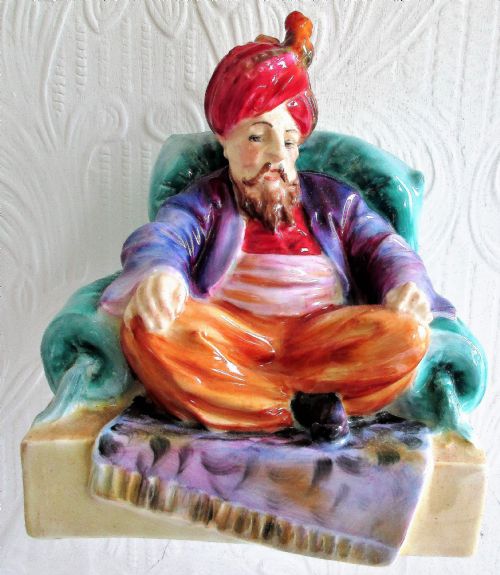
Daruma sits in silent contemplation.
Assessing quality in ceramic figures
The skill of the enamel painting determines the visual depth of the piece, with master decorators achieving subtle tonal gradations and clean outlines. The evenness of the glaze application and the crispness of the gilt work further separate standard production pieces from exceptional studio output.
Royal Doulton·Samson of Paris·Royal Worcester·Herbert Davis Richter
The Multicolour Porcelain Figurine Glossary
- Porcelain
- A hard, vitreous ceramic material fired at high temperatures until translucent. It forms the smooth, durable white body beneath the painted enamels.
- Pearlware
- An earthenware body developed in the late eighteenth century featuring a faint bluish glaze. It served as a popular substitute for true porcelain among Staffordshire makers.
- Gilt
- A thin layer of gold applied to surface details and borders. It adds reflective highlights to buttons, trims, and bases.
- Slip-casting
- A manufacturing technique where liquid clay is poured into a plaster mould. This process allowed workshops to produce complex sculptural forms consistently.
Multicolour Porcelain Figurine: Frequently Asked Questions
How are antique porcelain figures dated?
Makers applied factory marks, impressed numbers, and registration symbols to the underside of many pieces. Comparing these specific ciphers and stylistic traits against historical records establishes the period of production.
Changes in ceramic bodies and glazing techniques also offer reliable clues to age. Expert examination of the base often reveals characteristic wear patterns consistent with centuries of handling.
Where were these ceramic figurines displayed?
Wealthy households placed sculptural figures on mantelpieces, sideboards, and enclosed cabinets to demonstrate taste and refinement. Smaller examples often functioned as decorative ornaments within formal antechambers.
Some pieces served practical purposes alongside display, doubling as candlesticks or pocket watch holders on bedside tables.
How should I clean my porcelain figurine?
Dust the surface gently with a soft, dry artist's brush to remove accumulated particles without risking the painted enamels. Avoid harsh chemical cleaners or abrasive cloths that might scratch the glaze.
Wash the piece only when strictly necessary, using lukewarm water and mild soap, then dry it completely with a lint-free cloth.
What distinguishes Satsuma ware from European figures?
Satsuma ceramics from Japan typically feature an ivory-coloured earthenware body covered in a fine crackle glaze. Artisans decorated these pieces with dense, intricate patterns incorporating gold leaf.
European factories relied primarily on hard-paste or soft-paste porcelain bodies with smooth, uncrackled glazes and different figure styles.