

19th Century Porcelain Figurines
These 19th century porcelain figurines bring the refined craftsmanship and character of the Victorian era directly into your home.
19th Century Porcelain Figurines
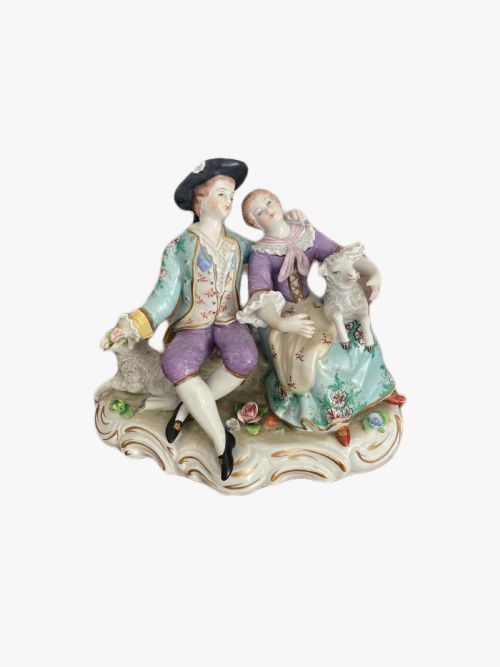
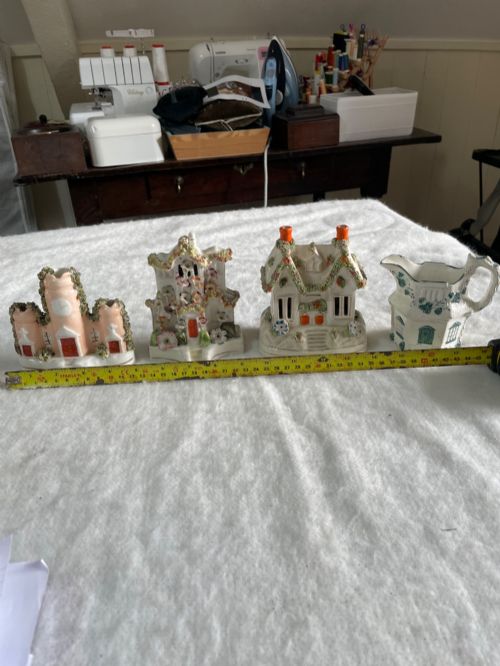
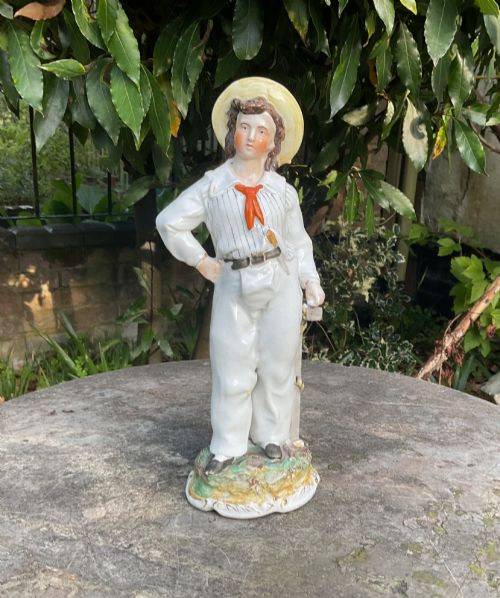
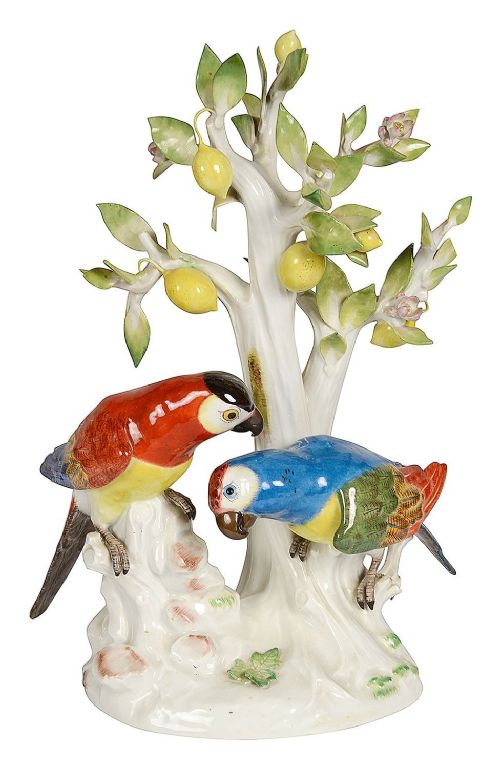
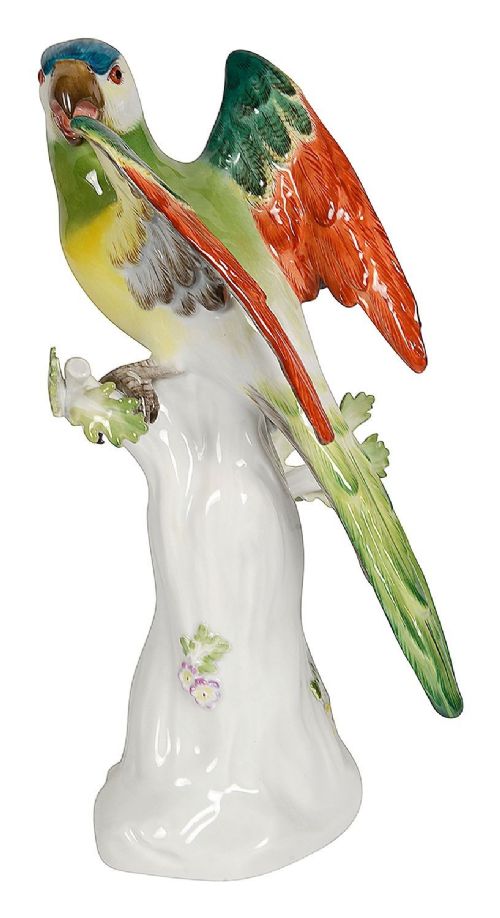
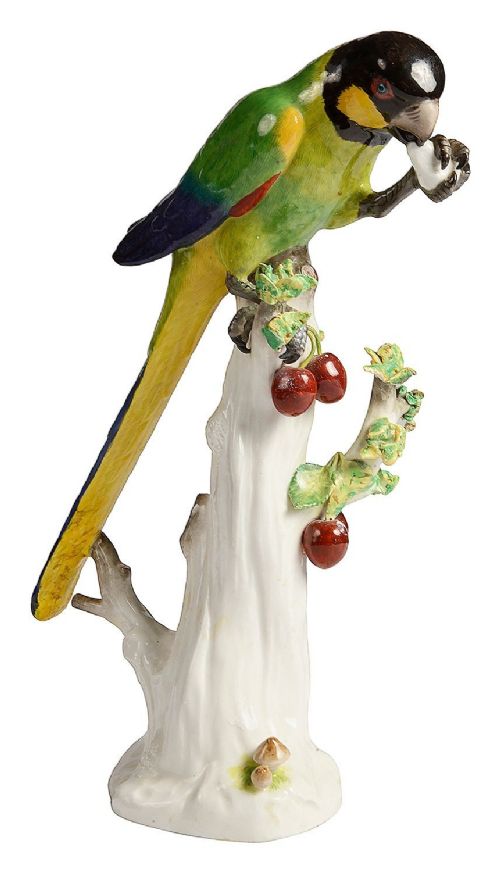
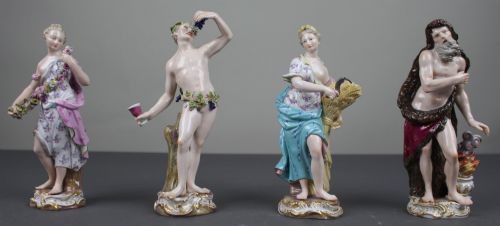
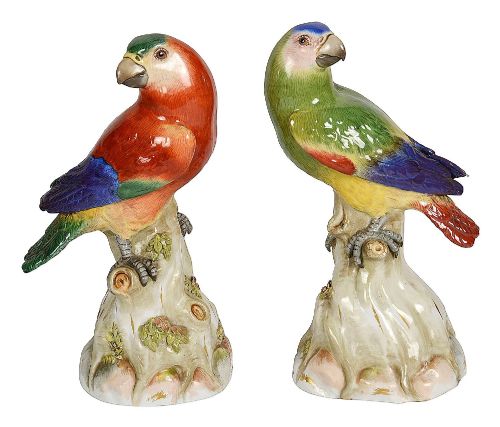
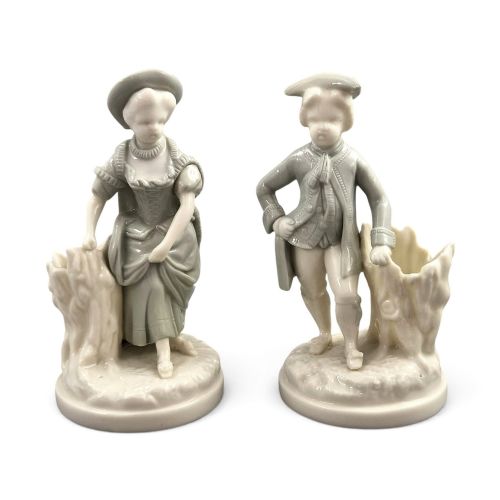
When you search for 19th century porcelain figurines, you encounter a diverse array of sculptural works ranging from allegorical figures and mythological groups to naturalistic animal studies and portrait subjects. The pieces on this page heavily feature Continental manufactories alongside English works, spanning decorative figures, spill vases, and figural salts.
The selection encompasses distinct regional interpretations, notably French Paris porcelain, German works from Meissen and Volkstedt, and Staffordshire earthenware figures. Buyers frequently meet pairs of decorative birds, seasonal allegories, and pastoral characters suited to mantelpieces and display cabinets.
How they were made
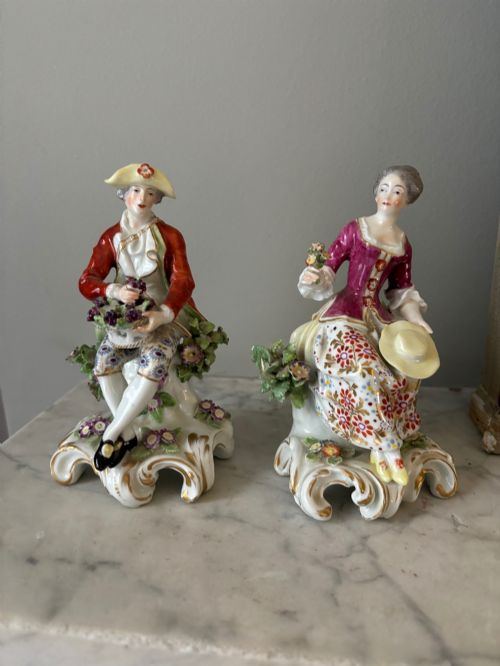
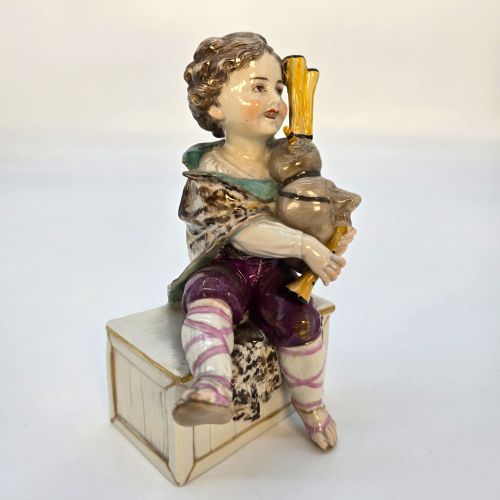
The making of these objects relied upon skilled moulding, slip casting, and intricate hand-painting, frequently utilising hard-paste porcelain and earthenware bodies. Workshops applied rich glazes, enamel colours, and delicate touches of gold leaf to highlight costumes, flora, and facial expressions.
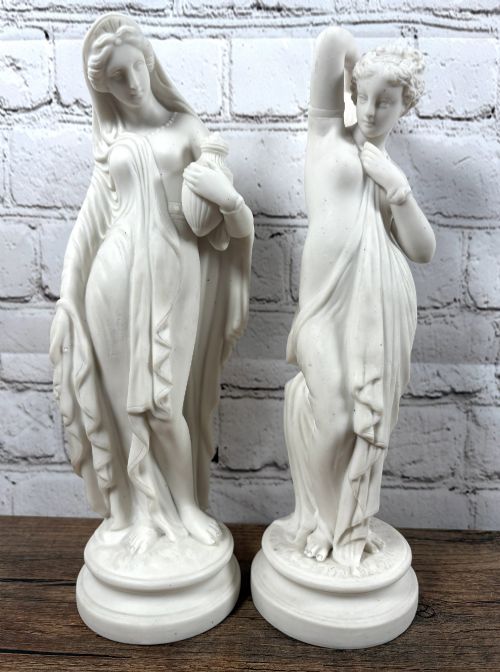
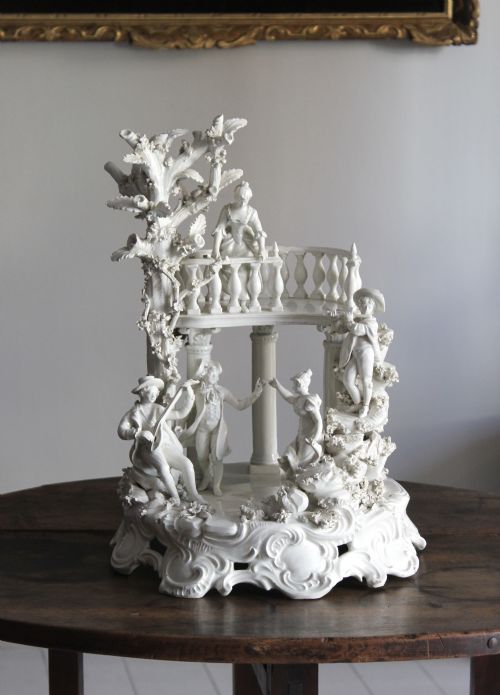
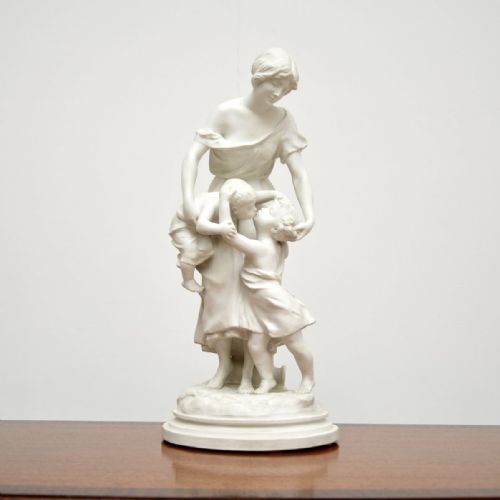
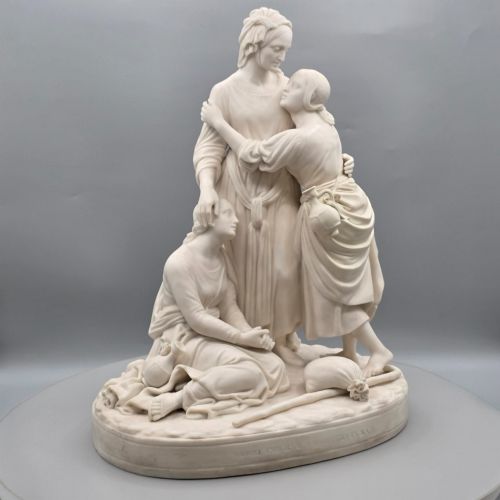
Makers also employed unglazed parian ware and biscuit porcelain to achieve a matt, marble-like finish ideal for classical studies and sculptural groups after renowned sculptors. Certain delicate works incorporate fine ceramic lace applied by hand before firing.
19th Century Porcelain Figurines Retail Price Guide 2026
Typical asking prices for 19th century porcelain figurines among the pieces listed under this phrase on Sellingantiques today, from the lower quarter to the upper quarter. They describe what is for sale here now, not the wider market.
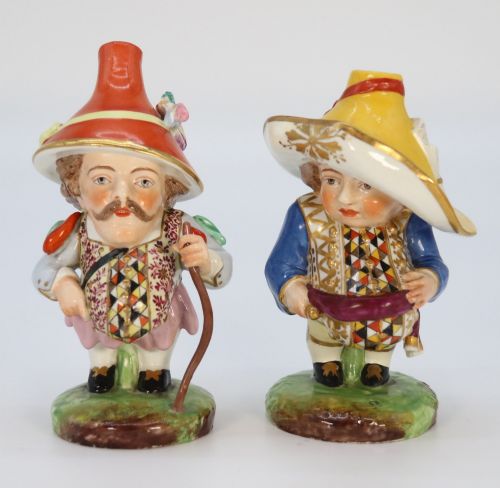
Nineteenth-century ceramic artists occasionally modelled highly decorative porcelain pugs and dwarf musicians to amuse Victorian households.
What varies in quality
The sophistication of the glazing and the restraint applied to enamel and gold leaf further define the upper tier of the range. Originality of model and the fidelity of the casting to the original sculptural source determine the standing of each piece.
Edmé Samson·Meissen·Royal Worcester·Minton·Volkstedt Rudolstadt Factory·Bourdois & Bloch·Vion & Baury·Thomas Parr·Bloor Derby
The 19th Century Porcelain Figurines Glossary
- Parian ware
- A fine-grained, unglazed porcelain resembling white marble that gained popularity for portrait busts and classical figures during the Victorian period.
- Bisque porcelain
- Un-glazed porcelain that has been fired once, offering a matt texture that resembles marble and reveals fine sculptural detail.
- Spill vase
- A hollow tubular vase designed to hold wooden spills used for lighting candles or pipes, often integrated into the base of animal or human figures.
- Hard-paste porcelain
- A durable ceramic compound composed of kaolin and petuntse, fired at very high temperatures to create a vitrified, translucent body.
- Enamel
- Coloured vitreous glass fused to the surface of the ceramic during a secondary firing to provide permanent decoration.
19th Century Porcelain Figurines: Frequently Asked Questions
How do I identify a Meissen figurine?
Meissen pieces often feature distinct animal and human subjects modelled with high realism, such as parrots and allegorical figures.
They frequently date to the late nineteenth century and reflect sophisticated moulding techniques characteristic of the famous German manufactory.
What is parian porcelain?
Parian porcelain is an unglazed ceramic material developed in the nineteenth century to imitate white marble.
It was widely utilised for classical studies and sculptural groups because its matt finish highlights intricate surface details.
Where were spill vases placed?
Spill vases were designed to sit on mantelpieces or near hearths to hold thin wooden spills for lighting fires.
Potters integrated these holders into sculptural groups featuring sheep, deers, and pastoral figures.
How do French Paris figures differ?
French Paris porcelain figures often display vibrant hand-painted enamels, gilding, and biscuit porcelain groups.
Works from makers such as Vieux Paris and Edmé Samson typically showcase neoclassical or Rococo revival styles.