

Painted Ceramic Figures
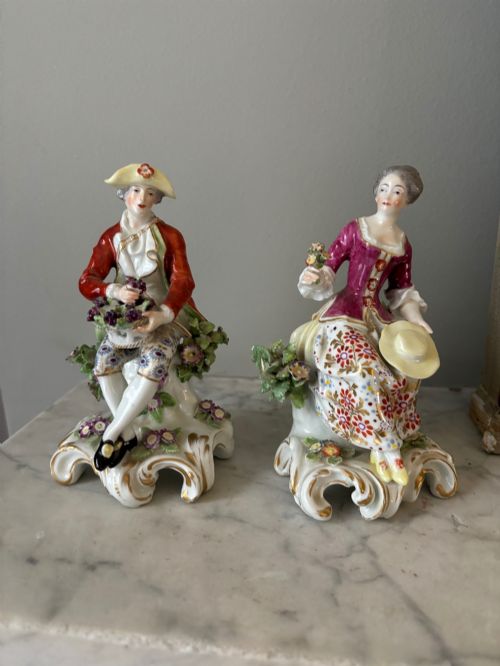
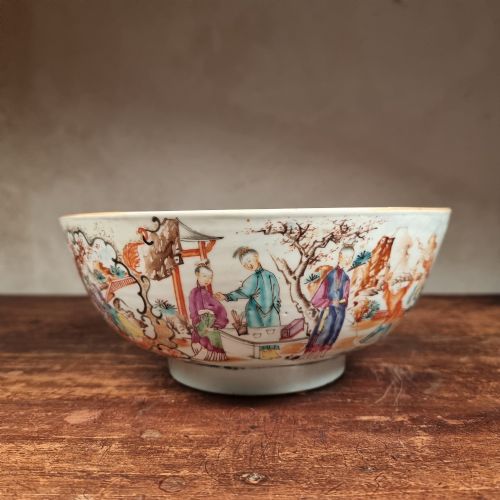
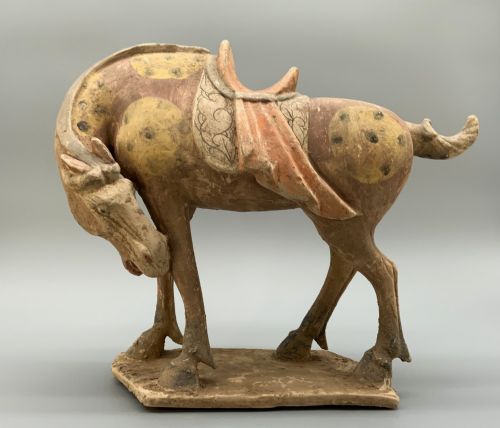
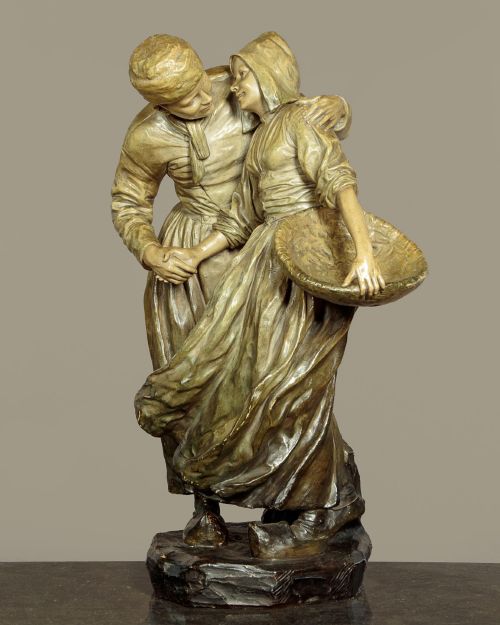
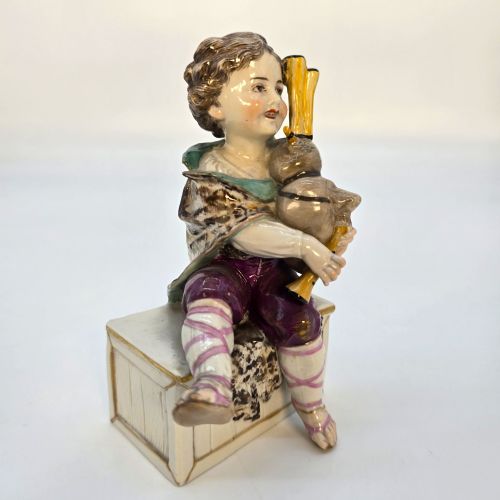
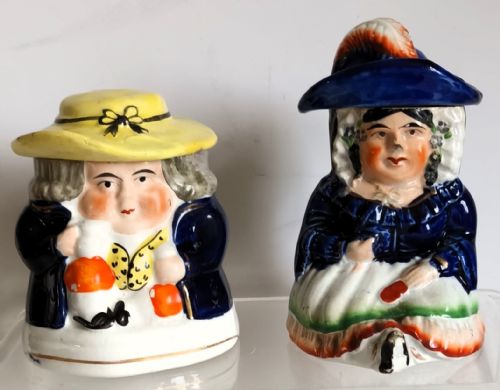
When you search for painted ceramic figures, you encounter a diverse array of sculpted objects shaped from clay or porcelain and finished with pigment, enamel or glaze.
Painted Ceramic Figures
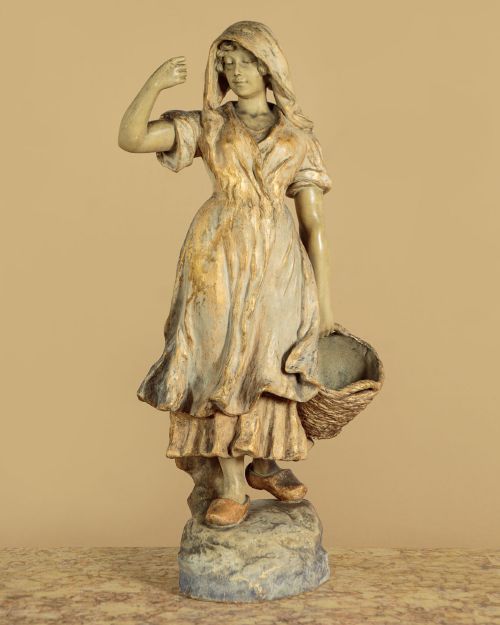
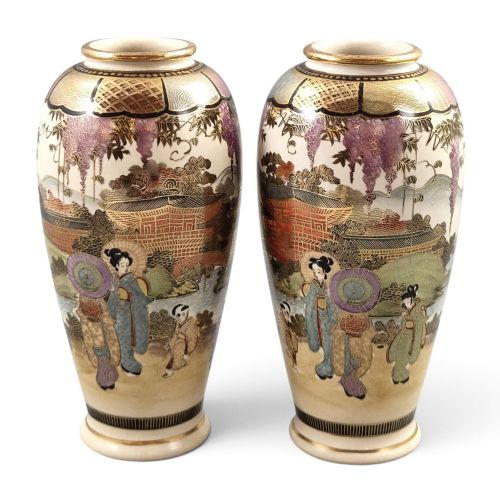
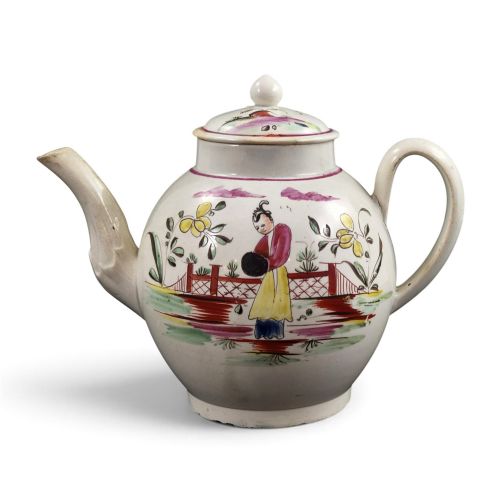
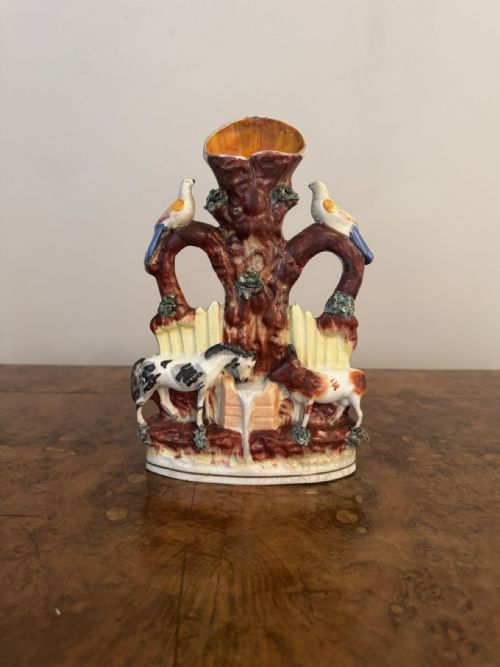
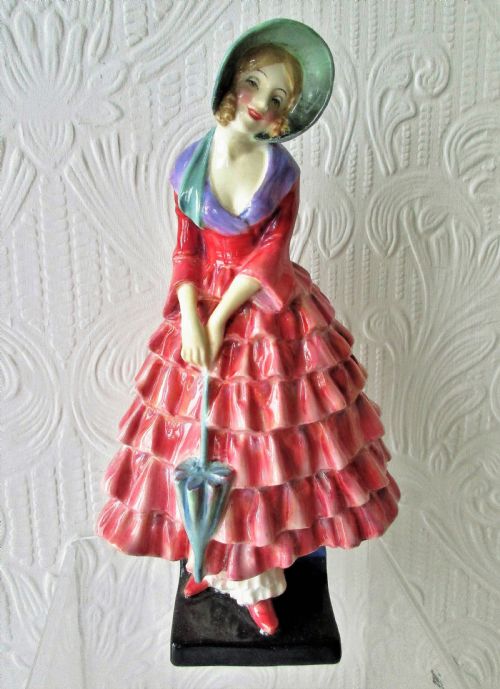
Painted ceramic figures encompass a wide spectrum of decorative objects, ranging from delicate English bone china figurines and Staffordshire earthenware groups to large continental terracotta sculptures and Asian porcelain pieces. You will frequently find works originating from the eighteenth, nineteenth and early twentieth centuries, spanning stylistic periods from Victorian and Georgian to Art Deco.
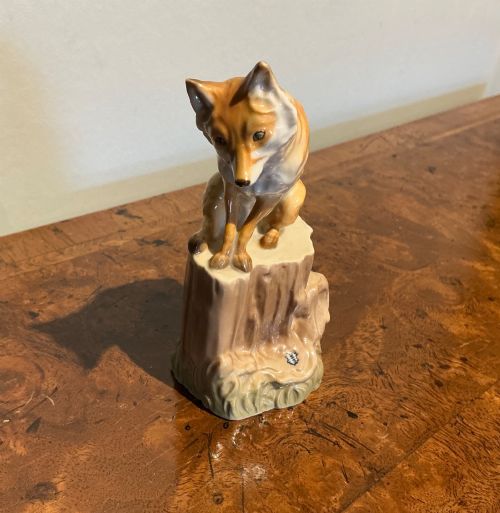
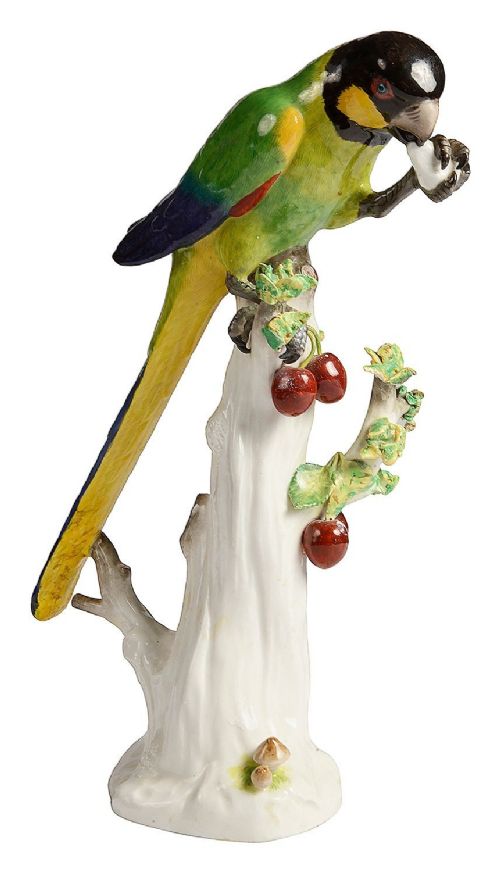
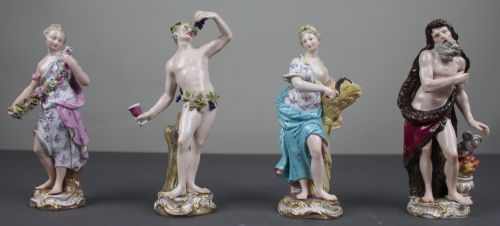
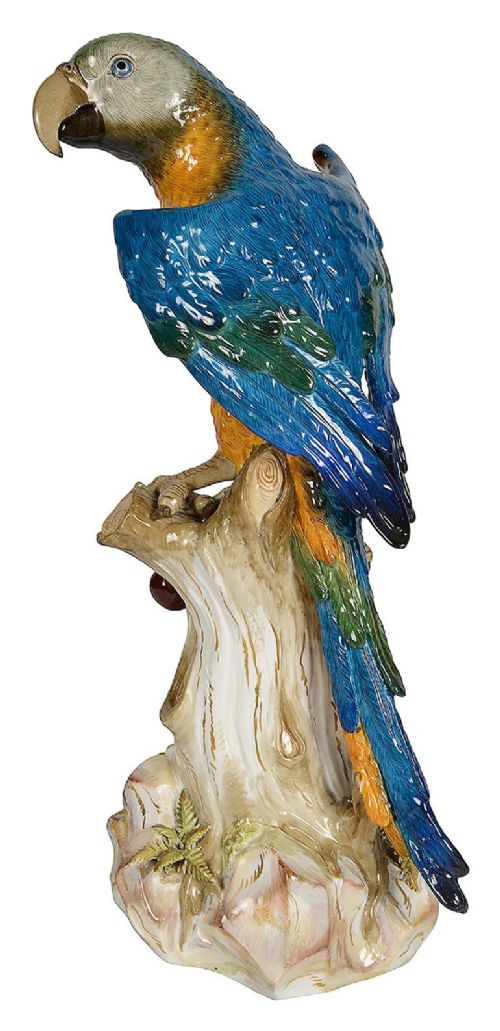
The forms on this page include traditional human figurines depicting historical characters or tradespeople, animal subjects such as dogs and parrots, and occasional utilitarian vessels with figural elements. Many pieces reflect specific regional traditions, from Staffordshire pottery and Meissen porcelain to Japanese Satsuma and Arita wares.
Makers and factories across Europe and Asia utilised distinct sculpting and painting traditions to shape these subjects. Whether examining an Austrian terracotta dog or a Royal Doulton porcelain lady, the pieces combine moulded or hand-formed clay with detailed surface coloration.
Materials and production methods
Makers shaped these objects using various clay bodies including earthenware, stoneware, bone china, porcelain and terracotta, depending on the desired finish and period. Artisans often formed pieces in moulds or modelled them by hand before firing them in kilns to harden the ceramic body.
Following the initial firing, craftsmen applied surface decoration utilising hand-painted enamels, underglaze colours, metallic gold leaf and protective clear glazes. A subsequent lower-temperature firing fused the enamel pigments and gilding to the glazed or biscuit ceramic surface.
Several Staffordshire spaniels gaze steadfastly from nineteenth-century mantelpieces, guarding nineteenth-century sitting rooms with unwavering ceramic loyalty.
Distinctions in craftsmanship
The standard of a piece rests heavily upon the precision of the modelling and the finesse of the hand-painted details. Finer examples display crisp anatomical definition, subtle facial expressions and carefully controlled brushwork on the enamel decoration.
Factory marks, painter signatures and the crispness of moulded details further separate standard production pieces from higher-tier works. Superior pieces retain the crispness of the original sculptor's intent without blurring in the glaze or enamel layers.
Goldscheider·Royal Doulton·Nymphenburg·Meissen·Volkstedt Rudolstadt Factory·Charles Vyse
The Painted Ceramic Figures Glossary
- Terracotta
- A porous, brownish-red earthenware clay that is fired at relatively low temperatures. It is commonly left unglazed or painted directly with pigments.
- Enamel
- Opaque vitreous compositions applied to the surface of fired ceramics to add colourful decoration. These are fused to the piece during a secondary kiln firing.
- Bisque
- Unglazed ceramic porcelain or earthenware that has undergone a single firing. It has a matte, porous texture resembling unpolished marble.
- Glaze
- A glassy, impervious coating fused to ceramic bodies by heat. It seals the porous clay and provides a smooth or glossy finish.
- Staffordshire
- Pottery manufactured in the Staffordshire region of England, known for popular earthenware figures and animal groups produced during the nineteenth century.
Painted Ceramic Figures: Frequently Asked Questions
How do I identify the age of a figure?
Dating relies upon factory marks, stylistic traits, and the specific composition of the ceramic body or glaze. Comparing the modelling style to known period examples helps narrow the production era.
Changes in manufacturing techniques and pigment formulas across the nineteenth and twentieth centuries also provide reliable clues for establishing a timeline.
Were these figures meant for display?
Most of these pieces served purely decorative roles on mantelpieces, tabletops and in cabinets within middle and upper-class homes. Certain forms, such as Staffordshire pairs or bookends, were designed to sit symmetrically in domestic interiors.
Over time, changing interior fashions moved these objects from utilitarian mantel ornaments to collectible cabinet displays.
What is the difference between porcelain and earthenware?
Porcelain is made from refined clay containing kaolin, fired at very high temperatures until it becomes vitrified and non-porous. Earthenware utilises coarser clays fired at lower temperatures, resulting in a more porous material that requires a glaze for waterproofing.
Porcelain typically allows for thinner walls and finer translucent details, whereas earthenware provides heavier, more robust forms.