





Thuringian Porcelain Figures
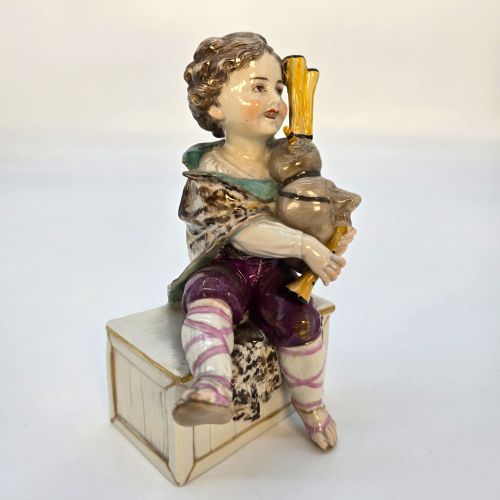
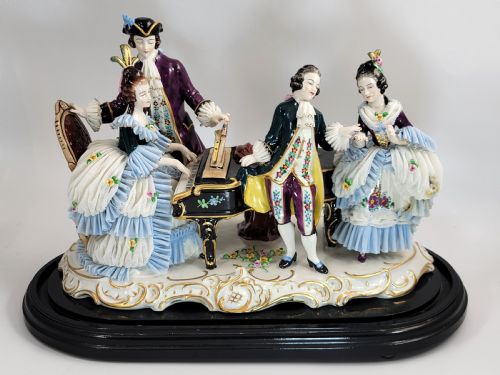
These thuringian porcelain figures bring exuberant Rococo Revival charm and finely modelled detail to any mantelpiece.
Thuringian Porcelain Figures
When you search for thuringian porcelain figures, you enter a vibrant world of German ceramic artistry spanning the eighteenth and nineteenth centuries. These pieces encompass delicate figurines, figural candlesticks, and sweetmeat dishes that reflect historical craftsmanship from renowned German manufactories.
The selections you encounter on this page lean heavily towards nineteenth-century productions, particularly items from the 1880s and 1890s showcasing Victorian tastes alongside revived Rococo forms. You will frequently find pairs of musicians, gardeners, and skaters modelled with expressive postures and detailed attire.
Originating from the historic Thuringia region in Germany, these works capture domestic scenes, musical performances, and pastoral motifs with distinct cultural character. Collectors treasure them for their narrative charm and the intricate modelling achieved by regional artisans.
Materials and production methods
Colour and surface enrichment come from careful applications of enamel paints, often accented with hand-applied gold leaf or gilt detailing to highlight decorative edges and motifs. Transparent glaze seals the porcelain body, giving the figures their characteristic luminous sheen.
Certain specialised works incorporate delicate porcelain lace, a technique where real fabric dipped in slip burns away during the kiln firing, leaving behind an astonishingly fragile ceramic textile effect.
Thuringian Porcelain Figures Retail Price Guide 2026
Typical asking prices for thuringian porcelain figures among the pieces listed under this phrase on Sellingantiques today, from the lower quarter to the upper quarter. They describe what is for sale here now, not the wider market.
Listings feature hard-paste porcelain figures and candlesticks spanning the eighteenth and nineteenth centuries, including Georgian and Victorian eras.
Distinguishing quality across the range
The division between standard and superior pieces rests largely on the crispness of the modelling and the precision of the hand-painting. Superior examples retain sharp facial expressions, clean limb articulation, and delicate rendering of fingers and accessories without blurring from worn moulds.
Surface decoration also dictates standing, as master painters achieved subtle tonal gradations in enamel work and precise placement of gold leaf. Pieces featuring elaborate applied elements like lace or intricate floral encrustations demand exceptional technical skill to execute successfully.
The integrity of the form and the subtlety of the glazing separate mass-produced factory output from works carrying the refined touch of skilled modellers.
Volkstedt Rudolstadt Factory·Richard Eckert·Sitzendorf·Ernst Bohne Söhne·Limbach·Gotthelf Greiner·Triebner ENS and Eckert
The Thuringian Porcelain Figures Glossary
- Hard-paste porcelain
- A vitrified ceramic composed of kaolin and petuntse, fired at high temperatures to create a hard, impermeable body that resists scratching. This material forms the durable structural foundation for most Thuringian figures.
- Sweetmeat dish
- An ornamental vessel designed for holding small confections, nuts, or dried fruits during formal dining. In Thuringian ceramics, these dishes are often supported or flanked by figurative porcelain characters.
- Figural candlestick
- A functional lighting device incorporating sculptural human or animal forms into the shaft or base. These pieces combine practical illumination with decorative narrative scenes.
- Rococo Revival
- A nineteenth-century design movement that revived the asymmetrical scrolls, C-curves, and playful ornamentation of the mid-eighteenth century. Thuringian makers utilised this style to create dynamic, theatrical poses for their figures.
Thuringian Porcelain Figures: Frequently Asked Questions
How do I date these porcelain figures?
Dating relies heavily on factory marks stamped or painted under the glaze, combined with stylistic clues from clothing and modelling techniques. Nineteenth-century pieces often display impressed numbers or blue factory symbols characteristic of Thuringian kilns.
Comparing the specific floral motifs, pastel enamel palettes, and the sharpness of the Rococo Revival scrollwork also helps narrow down the production decade between the 1870s and the early 1900s.
Were these figures meant for display?
These pieces served primarily as decorative ornaments for drawing rooms, mantelpieces, and dining tables during formal gatherings. Sweetmeat figures specifically held sweet treats, combining utility with visual conversation starters.
Over time, owners transitioned them into dedicated cabinet displays to protect their delicate painted surfaces and intricate applied details from dust and handling.
How should I clean porcelain figures?
Dusting requires a soft, dry artist's brush to gently sweep away particles from crevices and delicate extremities without snagging fragile lace or fingers. Avoid using water or chemical cleaners unless handled by an expert conservator.
Keeping the pieces away from direct sunlight prevents the enamel colours and gilt accents from fading over decades of display.
What defines Thuringian porcelain style?
Thuringian porcelain is characterised by lively theatrical postures, rich pastel enamels, and a fondness for pastoral, musical, or courtly themes. The figures frequently wear elaborate period costumes rendered with immense textural detail.
Regional manufactories excelled at combining functional objects like candlesticks and sweetmeat dishes with expressive human sculpture.