


Rococo Style Porcelain Figures
Rococo style porcelain figures bring animated mid-nineteenth-century drama to a mantelpiece, offering ornate historic charm and delicate craftsmanship.
What rococo style porcelain figures are
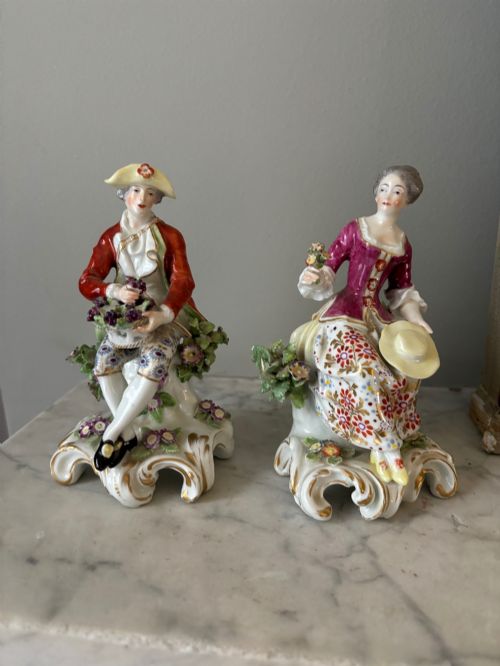
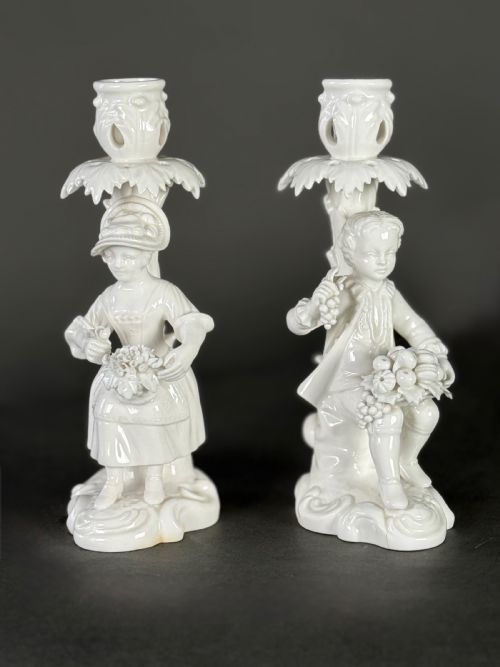
Rococo style porcelain figures capture the flamboyant movement and theatrical poses associated with eighteenth-century continental taste, revived during the nineteenth century. These ornamental works often depict musicians, sweetmeat bearers or decorative characters dressed in elaborate historical garb.
The versions most commonly met on this page date from around eighteen eighty or the wider nineteenth century, originating from European centres such as Thuringia and France. They typically arrive as matched pairs designed for symmetrical placement on interior surfaces.
Makers such as Volkstedt and firms working in the Vion et Baury style populate these listings, representing the skilled output of European kilns. Buyers find decorative figurines and porcelain figures that reflect both German and French interpretations of the revived rococo aesthetic.
How they were made
These figures begin as moulded porcelain, shaped in sections to achieve complex postures and intricate drapery before being fired at high temperatures. Artisans then apply polychrome enamel decoration by hand to highlight facial expressions, garments and subtle surface details.
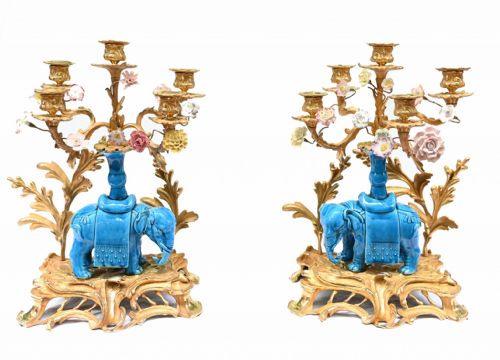
Gilding with gold leaf adds rich highlights to scrollwork, borders and accessories, catching the light against the white ceramic base. Metal components occasionally support structural elements or provide mounts, completing the composite construction of these decorative objects.
Musical figures hold dainty instruments that have been silently strumming nineteenth-century tune for over a century.
What varies in quality
The modelling of the porcelain itself dictates the artistic success of the piece, with higher-grade figures showing fluid movement and intricate detail in clothing and accessories. Pairs that retain their original harmony and fine surface preservation stand at the top of the range.
Volkstedt·Vion et Baury
The Rococo Style Porcelain Figures Glossary
- Porcelain
- A hard, fine-grained ceramic material fired at high temperatures to achieve a vitrified, translucent body. It forms the essential base for these decorative figures.
- Enamel
- Coloured vitreous material fused to the ceramic surface through firing to create painted designs. Artisans use enamel to render clothing, eyes and floral motifs.
- Gold leaf
- Extremely thin sheets of beaten gold applied to ceramic surfaces for ornamental highlights. This technique enhances the decorative richness of rococo scrollwork.
- Rococo Revival
- A nineteenth-century design movement that reinterpreted the curving forms and asymmetry of the eighteenth-century French style. It dominates the aesthetic of these Victorian and continental figures.
- Sweetmeat figure
- A figural porcelain form holding a dish or bowl intended for sweet confectioneries. These pieces served both decorative and functional roles on formal dining tables.
Frequently Asked Questions
What are rococo style porcelain figures?
These decorative ceramic sculptures emulate the theatrical poses and ornate ornamentation of eighteenth-century art, produced mainly during the nineteenth century in Europe.
They depict musicians, dancers and historic figures, often supplied as pairs intended for display on mantelpieces or cabinets.
How were these figures used?
Owners placed them on reception room furniture and mantelpieces as decorative displays of taste and social refinement. Some specialised forms, such as sweetmeat figures, held small confectionery items during formal gatherings.
Their primary function was visual ornament, contributing to the elaborate interior schemes of Victorian drawing rooms.
How do I date these figures?
Dating relies on stylistic clues, paste characteristics and factory marks where present, pointing typically to the late nineteenth century around eighteen eighty. The combination of Victorian manufacturing techniques and rococo revival aesthetics helps narrow the period of origin.
Comparative study of kiln marks from Thuringia and French workshops provides further chronological context.
How do I care for antique porcelain figures?
Keep these delicate objects away from direct sunlight and areas prone to accidental knocks or heavy vibrations. Dust them gently with a soft, dry brush without using water or chemical cleaners that might damage the enamel and gold leaf.
Stable indoor conditions prevent stress on the ceramic body and any incorporated metal or gilt elements.