


French Bisque Figurines
French bisque figurines capture delicate neoclassical and rococo forms in unglazed porcelain, offering collectors refined nineteenth-century charm.
French Bisque Figurines
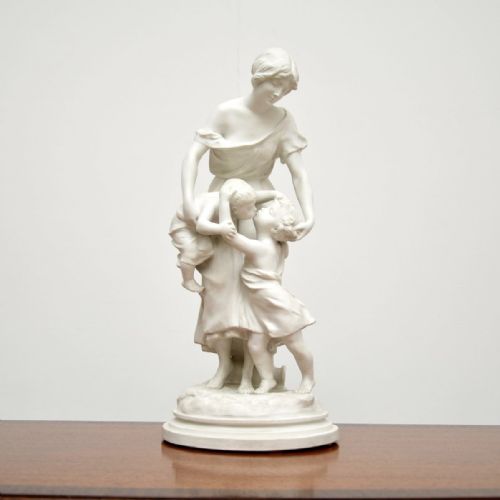
When you search for french bisque figurines, you encounter unglazed ceramic sculptures spanning the nineteenth century, including Victorian and Second Empire interpretations. The most common examples on this page are pairs of romantic figures, fisher folk, and allegorical subjects produced in France.
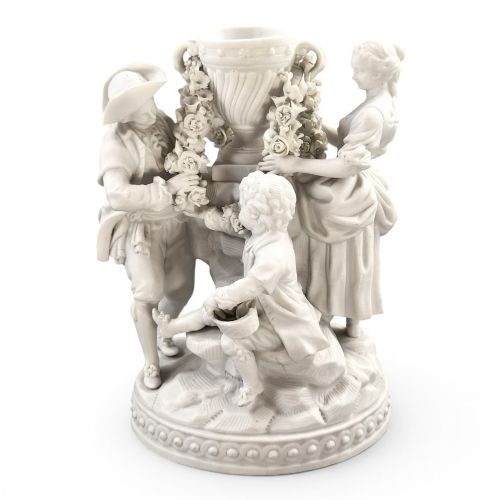
These decorative objects range from modest single figures of young children to large sculptural groups complete with floral garlands. Makers often drew upon classical and rococo revival styles to create expressive portrait busts and pastoral scenes.
Materials and manufacture
Many larger works required multi-part moulds joined before firing, followed by careful hand-chasing of the porcelain surface to sharpen drapery and hair. Some pieces incorporate painted polychrome decoration alongside the natural white ceramic body.
Fortune-tellers and fishing folk populate the nineteenth-century docks, proving that even porcelain aristocracy enjoyed a day out by the water.
Quality and execution
The distinction between standard commercial output and superior work lies in the crispness of the modelling and the sensitivity of the hand-finishing. Finer examples retain sharp facial expressions and delicate fingers without the softening typical of worn production moulds.
Quality also shows in the articulation of secondary details such as floral garlands, lace textures, and the application of gilt or enamel accents. Weight and porcelain density distinguish substantial sculptural groups from lighter, hollow casts.
Luca Madrassi·Vion et Baury·Chantilly·Sevres·Letu & Mauger
The French Bisque Figurines Glossary
- Bisque
- Unglazed porcelain fired once to vitrify the body while retaining a matte, porous texture resembling marble. This finish became popular in nineteenth-century France for capturing fine detail.
- Biscuit porcelain
- An alternative term for bisque porcelain, denoting unglazed ceramic ware. It was widely utilised by French factories for sculptural figures and portrait busts.
- Rococo Revival
- A nineteenth-century design style drawing on eighteenth-century motifs of asymmetry, scrolls, and natural foliage. It heavily influenced French figurine forms and decorative bases.
- Gilt
- A thin layer of gold applied to portions of the porcelain surface to highlight ornamentation. Artisans used it sparingly to accent clothing and accessories.
- Enamel
- Vitreous coloured glass fused to the porcelain surface through firing. It provides permanent colour for eyes, lips, and floral details on nineteenth-century figures.
French Bisque Figurines: Frequently Asked Questions
What is bisque porcelain?
Bisque porcelain is ceramic ware that has been fired without a glossy glaze, leaving a matte, porous surface. This finish allows sculptors to achieve high detail in nineteenth-century figures without surface glare.
The unglazed texture closely resembles carved marble, making it the preferred medium for neoclassical and romantic portrait busts and decorative groups.
How do I clean unglazed figures?
Because the porcelain is unglazed and slightly porous, it absorbs dirt and moisture easily. Dusting with a soft, dry brush is the safest method for routine maintenance.
Avoid using water, chemical cleaners, or damp cloths, as they can draw ingrained dust deeper into the matte ceramic surface.
Where were these pieces made?
These sculptures were produced primarily in France during the nineteenth century, centring around major ceramic workshops in Paris and regional manufactories. Many reflect academic styles sanctioned by French art academies of the period.
Output ranged from large factory productions bearing marks like Sevres or Chantilly to independent studio pieces by named sculptors.
How are periods identified?
Dating relies on stylistic clues, factory marks, and the quality of the ceramic body. Nineteenth-century pieces often display neoclassical austerity or the ornate curves of the rococo revival.
Base markings, impressed numbers, and handwritten signatures also help anchor pieces to specific decades like the eighteen-eighties or nineties.