
Victorian Porcelain Figures
Victorian porcelain figures bring character and colour to a room, offering tactile charm and detailed nineteenth-century craftsmanship.

What these pieces are
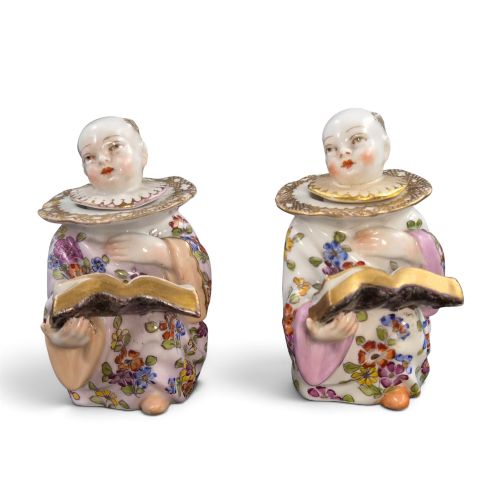
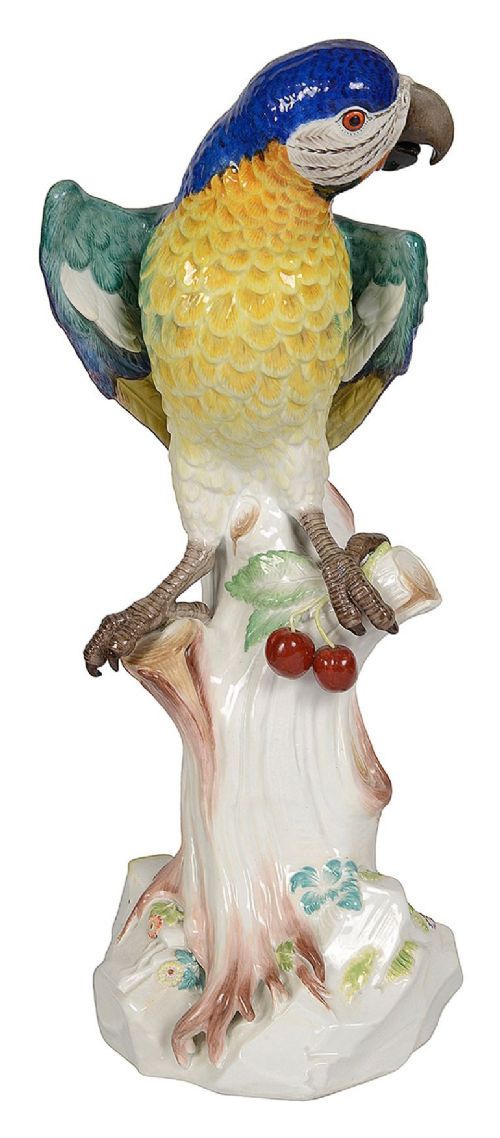
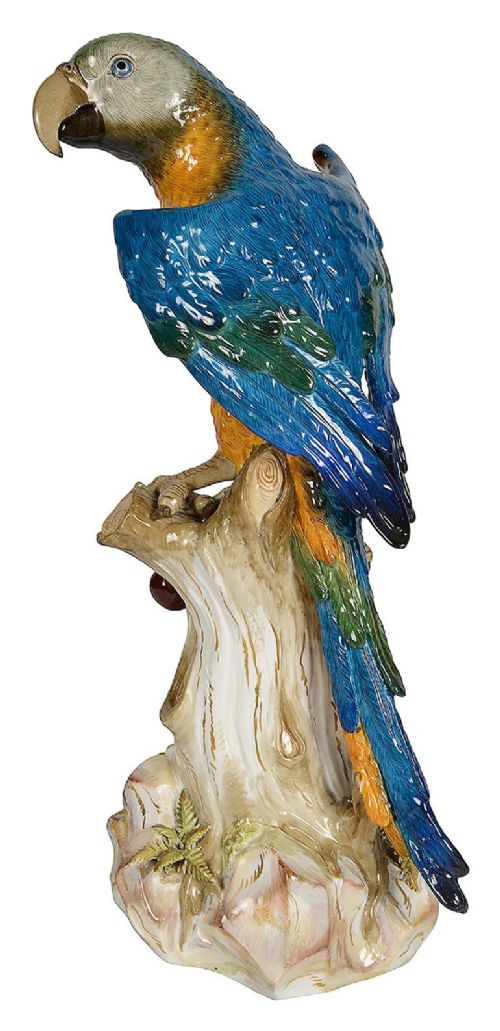
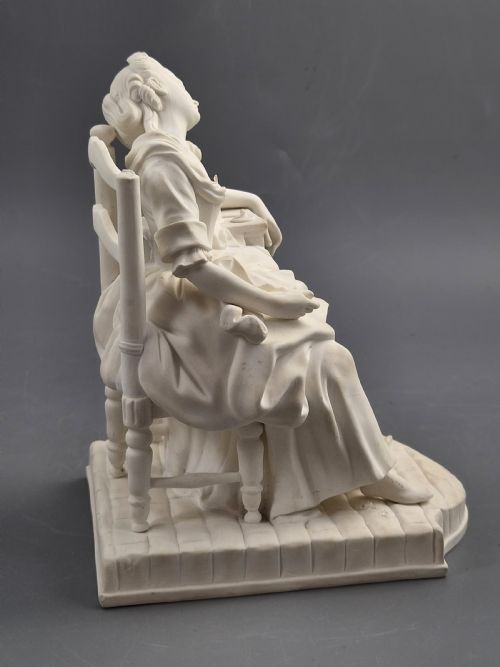
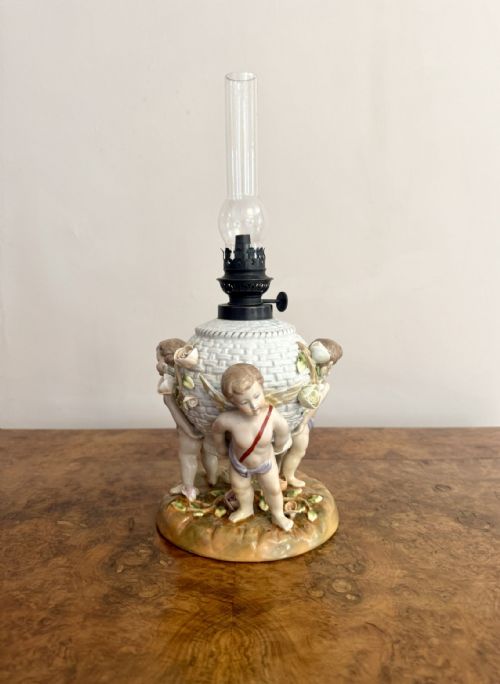
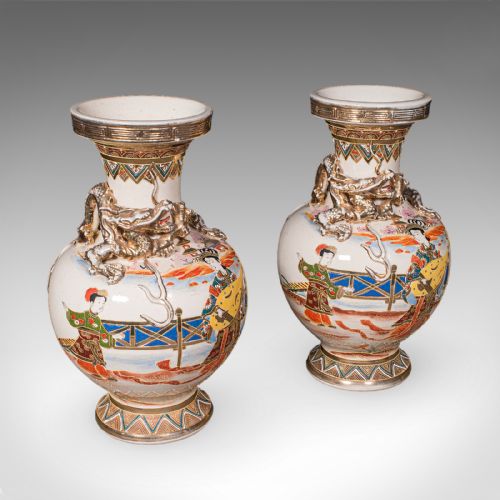
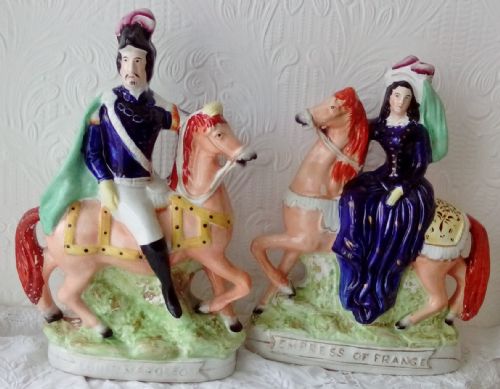
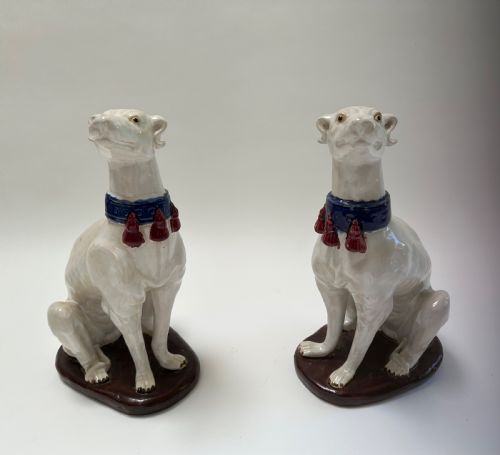
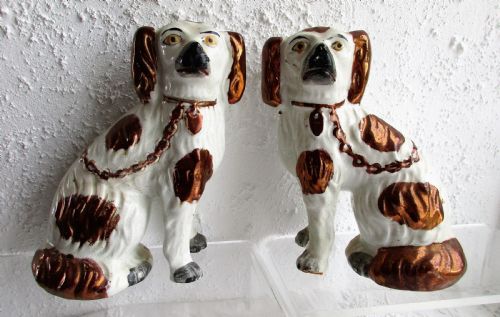
Victorian porcelain figures encompass ornamental pieces ranging from decorative figurines to figural candelabra and candlesticks. These objects capture nineteenth-century taste across British, French, German and continental European workshops.
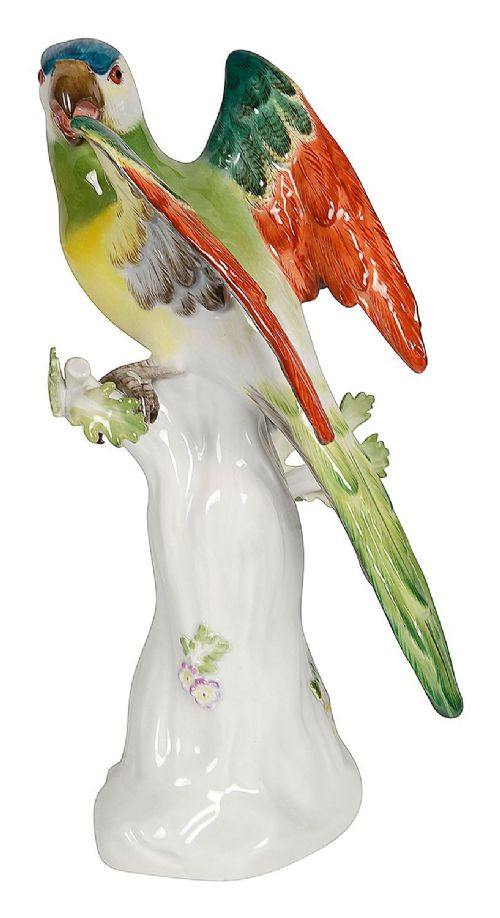
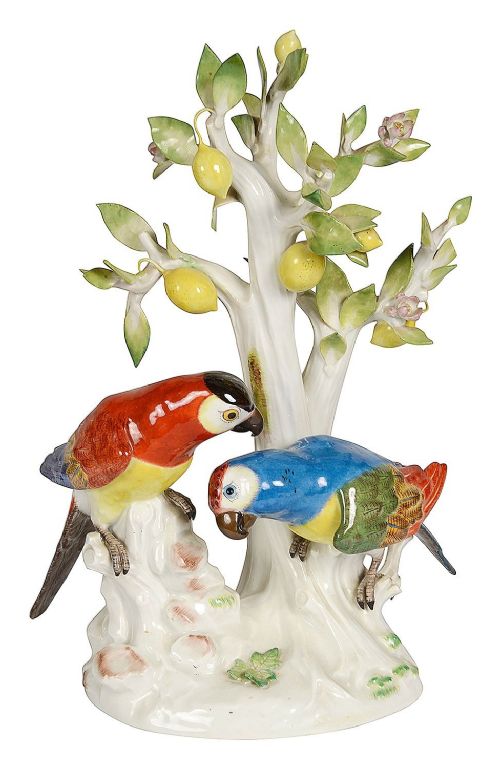
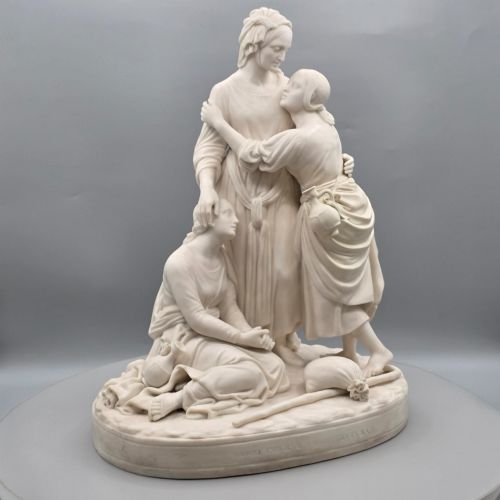
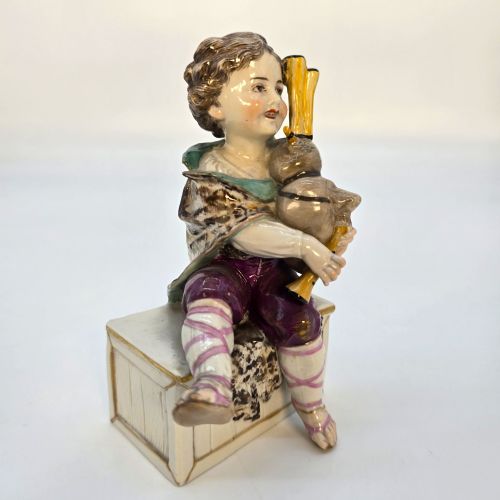
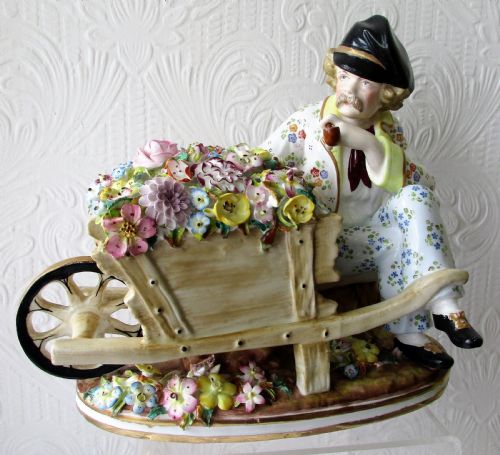
Buyers meet pairs and single pieces reflecting styles such as Victorian Rococo Revival and Art Nouveau. Subjects span children, fruit-gatherers, shepherds, animals and musicians, often modelled with expressive detail.
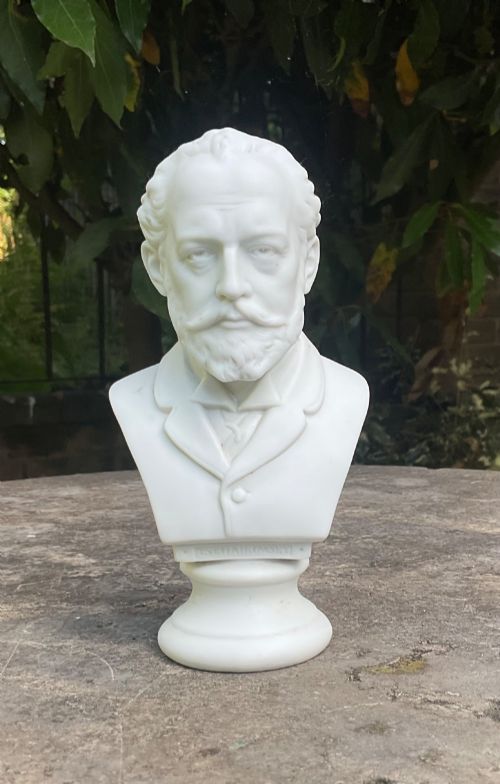
The material record includes standard porcelain alongside bisque porcelain, featuring painted decoration, enamel, gilding and gold leaf. Dates stretch across the nineteenth century into the early twentieth century.
How they were made
Makeries shaped these pieces from ceramic paste, employing moulds to cast figures before firing. Bisque porcelain remained unglazed to produce a matte finish, whilst standard porcelain received glossy glazes.
Retail Price Guide 2026
Typical UK retail prices for victorian porcelain figures, calculated from the Sellingantiques database of over a million retail prices indexed since 2003. This retail price guide relies exclusively on Sellingantiques data; no external sources or auction records are used, so the figures do not describe the wider market.
Listings feature items from the 19th Century, 1870, 1880, 1900 and 1910.
What varies in quality
The refinement of the modelling separates standard decorative wares from superior examples. Skilled modellers achieved expressive faces, realistic drapery folds and delicate hands.
The precision of hand-painted details and the application of gilding determine visual impact. Finer pieces maintain crispness in both the ceramic relief and the surface decoration.
Carl Thieme Dresden·Sitzendorf·Royal Dux·Royal Worcester·James Hadley·Gebruder Heubach
The Victorian Porcelain Figures Glossary
- Bisque porcelain
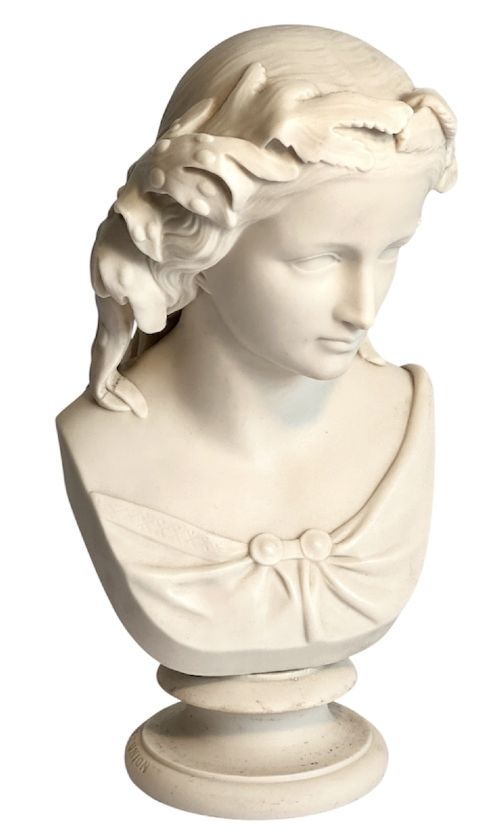
- Un-glazed ceramic fired once to create a matte, porous finish resembling marble. This surface absorbs light differently than glazed porcelain.
- Figural candelabra
- A branched candleholder incorporating sculptural figures into the support structure. These pieces combine lighting utility with ornamental display.
- Gilding
- The application of gold leaf or powdered gold to ceramic surfaces. It accentuates moulded details and adds richness to the design.
- Rococo Revival
- A nineteenth-century design style emulating eighteenth-century French excess with C-scrolls, asymmetric curves and floral motifs. Figures in this style often feature elaborate, swirling bases.
- Enamel
- Vitrified glass paste fused to the porcelain surface through firing. This technique provides durable, vibrant colour for clothing and floral elements.
Frequently Asked Questions
How do I care for antique porcelain figures?
Dust these delicate pieces gently using a soft, dry brush to protect painted surfaces and fragile raised elements. Avoid chemical cleaners and water immersion, particularly on bisque areas and gilt highlights.
Keep figures away from direct sunlight to prevent fading of hand-painted enamels over time. Secure placement on stable surfaces protects against accidental tipping.
What is the difference between bisque and standard porcelain?
Bisque porcelain is fired without a glaze, leaving a matte, white surface that feels similar to unpolished marble. This finish highlights fine sculptural detail without reflective glare.
Standard porcelain receives a glassy coating before final firing, creating a smooth, sealed sheen. Glazed pieces often display brighter painted colours and enamel work.
How can I tell a candelabra from a figurine?
Figural candelabra include integrated branches designed to hold multiple candles alongside the central sculptural work. They function as both lighting devices and ornamental sculptures.
Figurines are purely decorative standalone sculptures without candle sockets or branches. Candlesticks feature a single nozzle rather than multiple candle arms.
Are these pieces usually found in pairs?
Many nineteenth-century decorative figures were produced as matched pairs to adorn mantelpieces and side tables symmetrically. These pairings often depict complementary characters such as a shepherd and shepherdess. Divergent survival rates mean individual figures also appear independently. Matched pairs retain strong appeal for traditional display arrangements.