


James Hadley Porcelain
James Hadley porcelain brings master Victorian modelling to life through figures and candelabra.
What james hadley porcelain pieces are
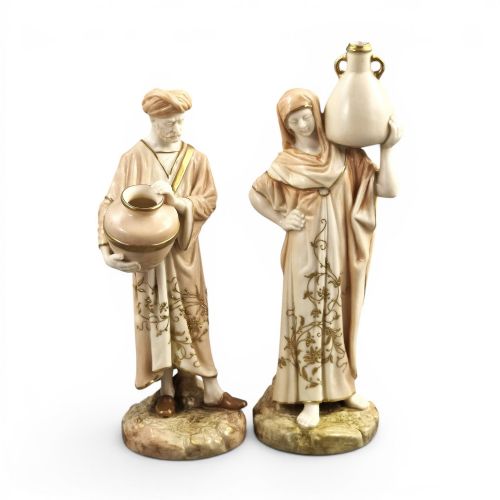
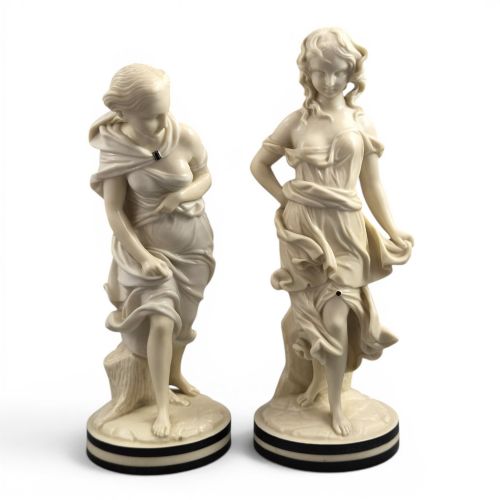
When searching for james hadley porcelain, collectors encounter Victorian figures and candelabra produced through Royal Worcester. The selection spans distinct figurative forms, including water carriers, maidens, and figures such as the Coppersmith, Beefeater, and Watchman.
Candelabra appear alongside figural works, often decorated in the Victorian Orientalism style. Figures reflect diverse cultural subjects, from Greek porcelain figures to Kate Greenaway sugar shakers, demonstrating the breadth of modelling.
Pieces originate from the Victorian era, with dates stretching from the mid-nineteenth century through the early twentieth century. Buyers most frequently meet complex modelled figures bearing the Hadley attribution alongside Royal Worcester manufacture.
How james hadley porcelain was made
Makers utilised fine porcelain as the foundational body for all figures and candelabra. Artisans applied glaze and enamel to create surface depth and colour across clothing and details.
Gilt and gilding highlight specific architectural or decorative elements on the porcelain forms. The Patent Metallic finish appears on works like the Cairo Water Carrier, combining specialised glazes with metallic effects.
Even a stern Beefeater model has to stand still on a mantelpiece forever.
What varies in quality
The sophistication of the modelling separates standard production from exceptional works. Finer pieces capture intricate facial expressions and complex drapery folds in subjects such as water carriers and historical figures.
The application of enamel and gilding dictates visual richness across the surface. Pieces finished with Patent Metallic glazes display greater technical ambition than standard glazed porcelain.
The James Hadley Porcelain Glossary
- Patent Metallic
- A specialised glaze and finishing technique developed during the Victorian period, appearing on specific figural works. It creates a distinct metallic sheen across the porcelain surface.
- Enamel
- Coloured glass paste applied to porcelain and fired to fuse with the body. It provides rich decoration on garments and decorative accessories.
- Gilding
- The application of gold leaf or powdered gold to porcelain surfaces. It accentuates borders, highlights, and structural details on figures and candelabra.
- Candelabra
- Branching lighting stands designed to hold multiple candles. These examples incorporate figural porcelain supports.
- Figurines
- Small sculptural three-dimensional representations of human figures. The archive includes water carriers, maidens, and historical occupations.
Frequently Asked Questions
What subjects appear on these figures?
Figures depict a wide range of human subjects, including water carriers, historical guards, and literary or cultural characters. Examples span the Beefeater, the Coppersmith, Greek figures, and Kate Greenaway girls.
Orientalist themes also emerge strongly through works like the Cairo Water Carrier and Haji Mijak. Each piece captures specific Victorian clothing and cultural attributions.
How do these pieces relate to Royal Worcester?
James Hadley worked as a designer and modeller for the Royal Worcester factory. His independent studio output and factory pieces bear this close manufacturing connection.
Most items carry factory marks alongside indications of Hadley's modelling. This partnership produced the distinctive Victorian figural works found today.
When were these items produced?
Production spans the Victorian era, with recorded dates ranging from the mid-nineteenth century into the early twentieth century. Specific pieces carry precise registration or production dates between eighteen sixty-five and nineteen ten.
Stylistic shifts reflect broader Victorian tastes, moving from classical Greek inspirations towards detailed Orientalist and character studies.
How should I display porcelain candelabra and figures?
These decorative works require stable surfaces away from high traffic and direct sunlight. Figures and candelabra serve as sculptural focal points within a room.
Gentle dusting preserves the enamel, gilt, and glaze surfaces. Proper placement protects the intricate modelled details from accidental damage.