


19th Century Porcelain Figures
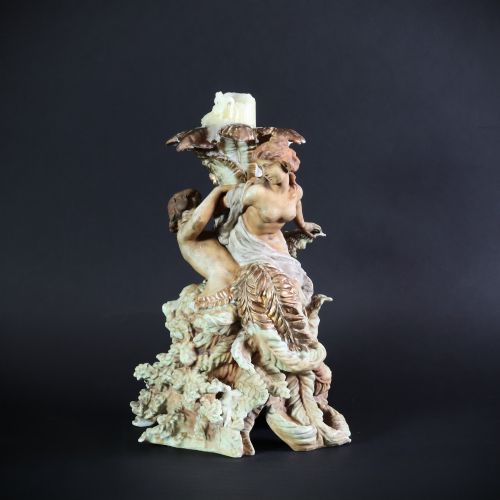
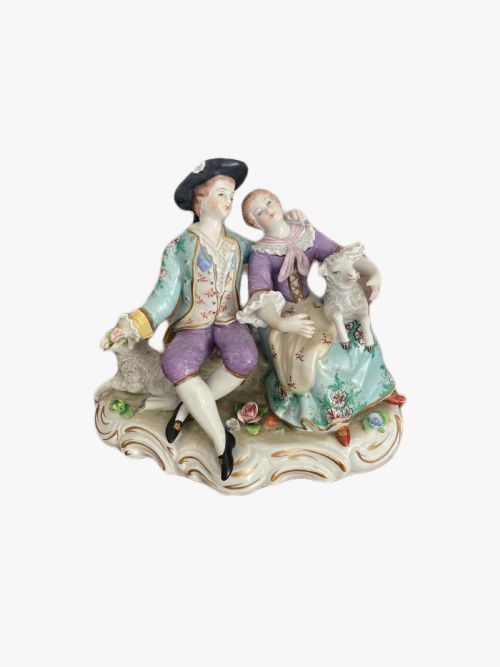
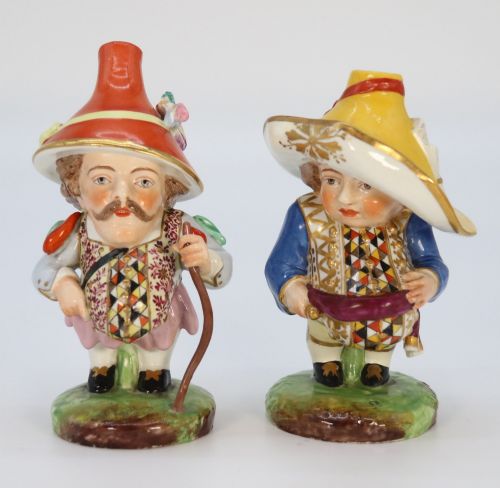
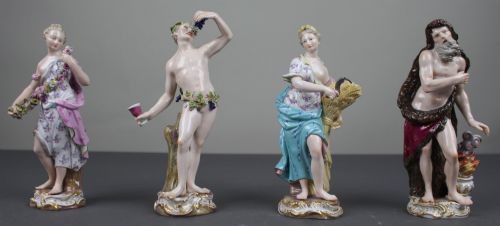
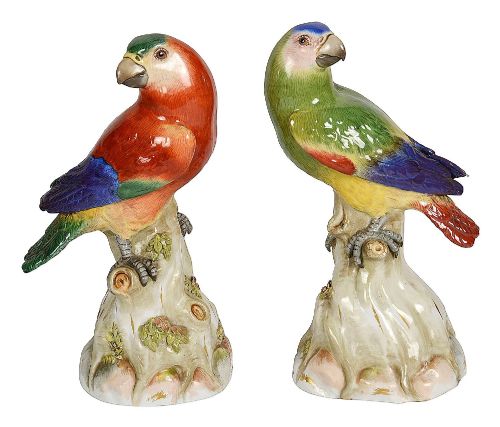
These 19th century porcelain figures bring domestic animals, allegorical groups and theatrical characters into the interior.
19th Century Porcelain Figures
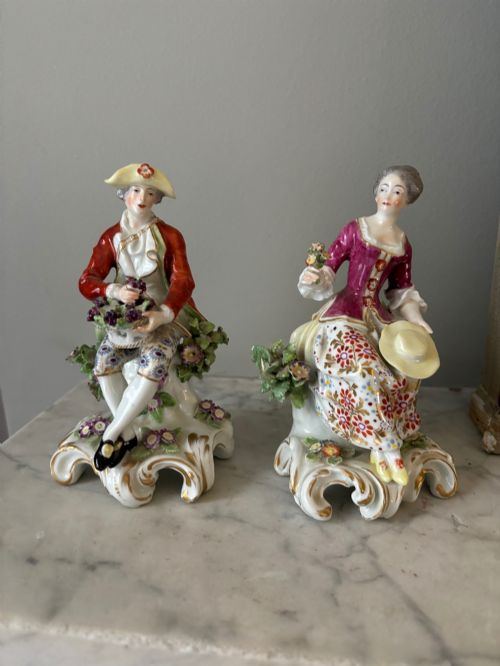
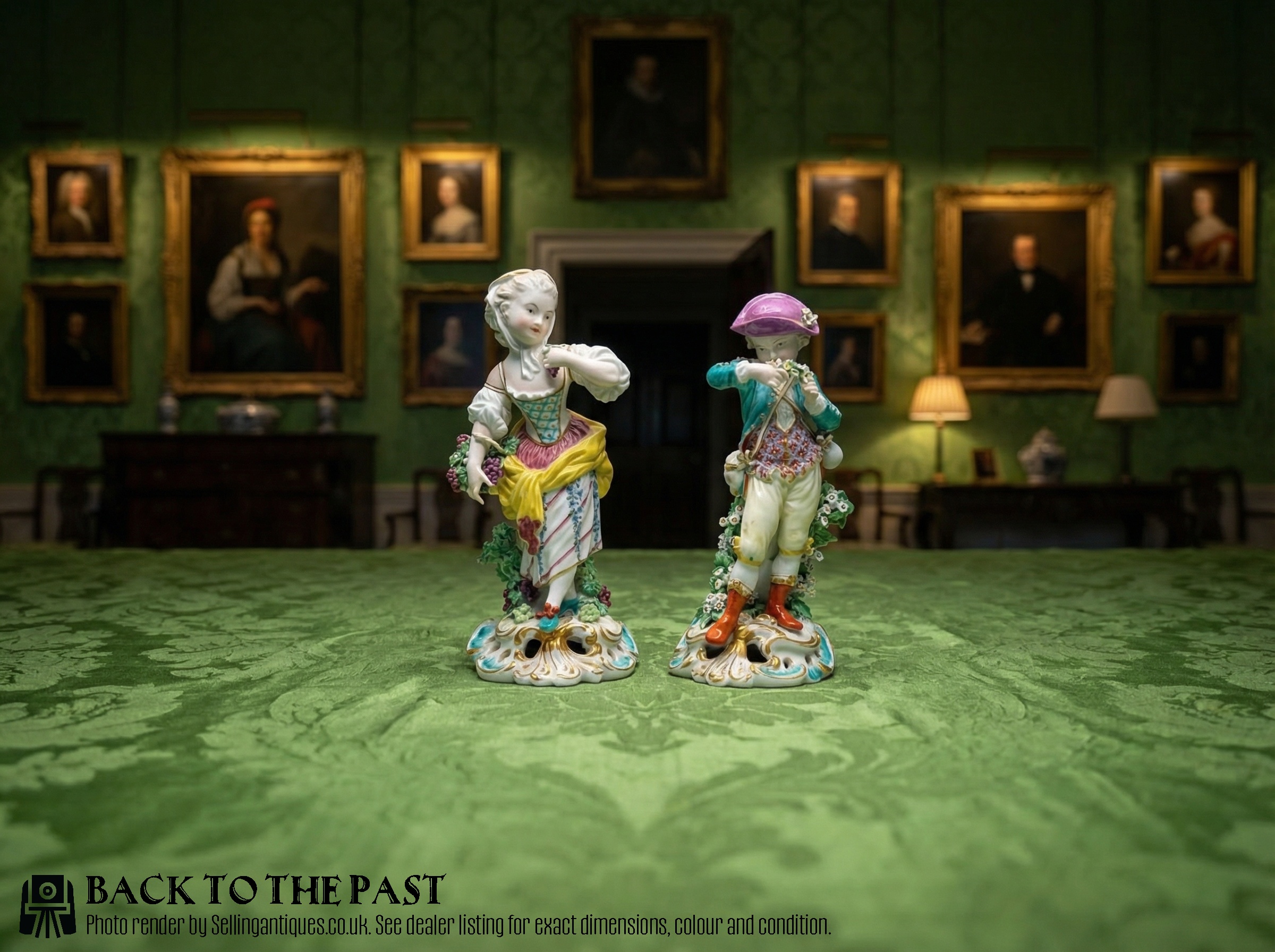
When you search for 19th century porcelain figures, you encounter an array of Continental and English ornamental works spanning figurative groups, animals and candelabras. The selection leans heavily toward European factories, particularly German works from Meissen and Volkstedt alongside French productions from Paris and Samson.
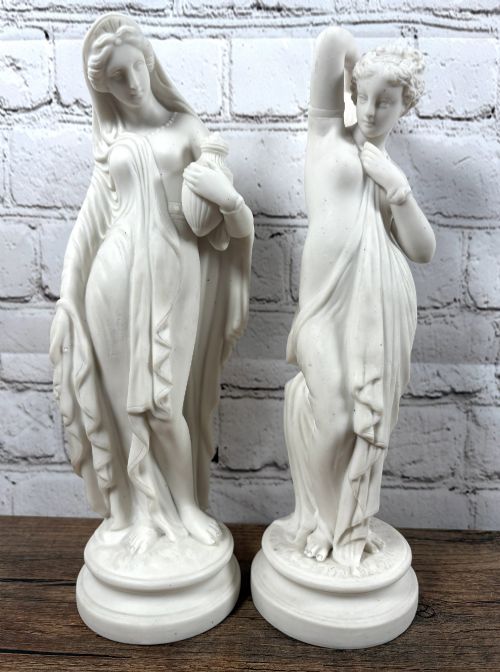
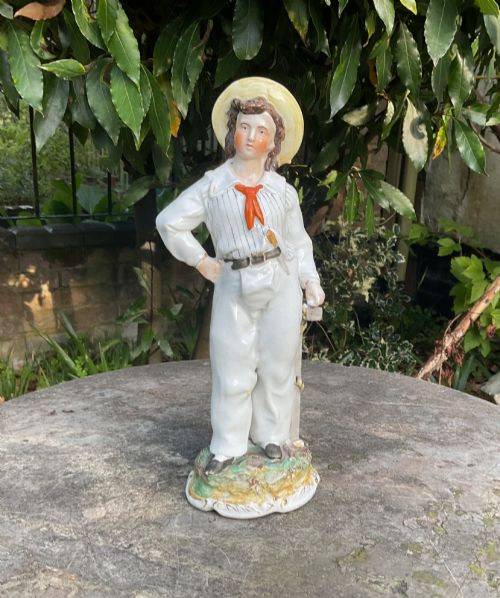
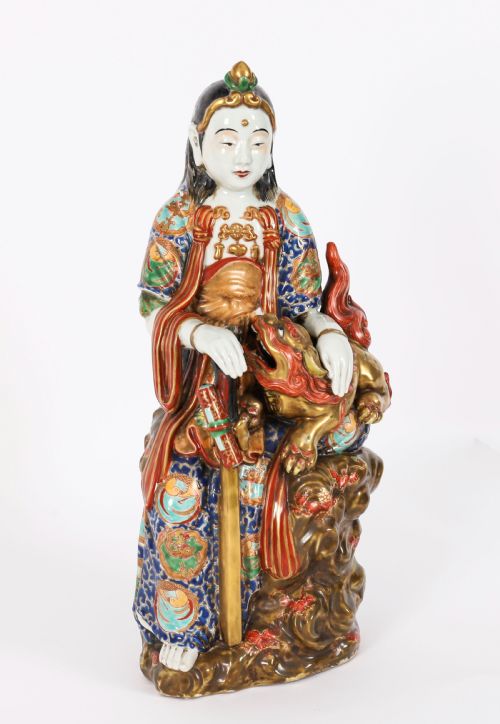
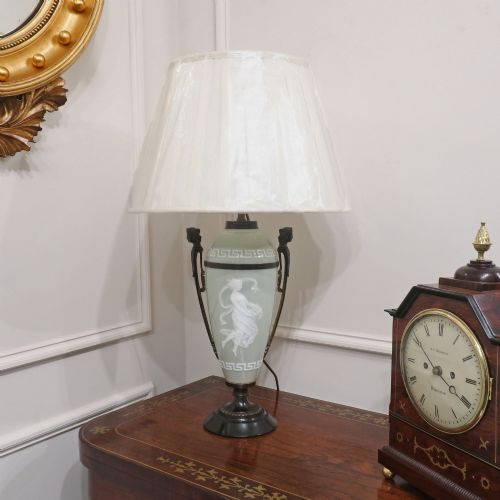
Makers drew on diverse design vocabularies, rendering subjects from the Four Seasons and mythological deities to practical table lamps and figural inkwells. English pieces include Staffordshire pottery groups and Parian figures, while Japanese examples incorporate Kutani, Satsuma and Imari styles into the broader ceramic mix.
Materials and Technique
Specialised techniques such as pate sur pate build up raised white reliefs on coloured grounds, while lace porcelain incorporates actual fabric dipped in slip before firing to achieve delicate drapery.
19th Century Porcelain Figures Retail Price Guide 2026
Typical asking prices for 19th century porcelain figures among the pieces listed under this phrase on Sellingantiques today, from the lower quarter to the upper quarter. They describe what is for sale here now, not the wider market.
Listings feature hard-paste porcelain, Parian, earthenware, and enamel across 19th century European and Asian ceramic traditions.
Standards of Execution
Execution separates standard decorative output from exceptional sculptural studies, particularly in the crispness of hand-painted details and the subtlety of modelled facial expressions. Pieces derived from classical models or designed by known modellers display superior anatomical proportion and weight.
Application of gilding and enamel work dictates visual depth, where flat uniform washes contrast against layered, hand-applied polychrome pigments. The complexity of the underlying form, such as multi-figure allegorical groups or intricate lace work, requires advanced firing skill that elevates the finished object.
Edmé Samson·Meissen·Volkstedt·Royal Worcester·John Bevington
The 19th Century Porcelain Figures Glossary
- Parian
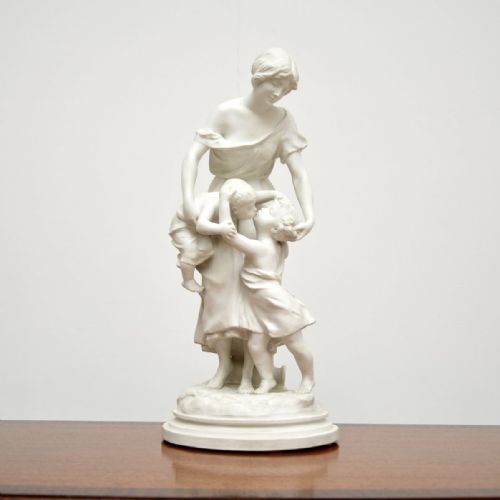
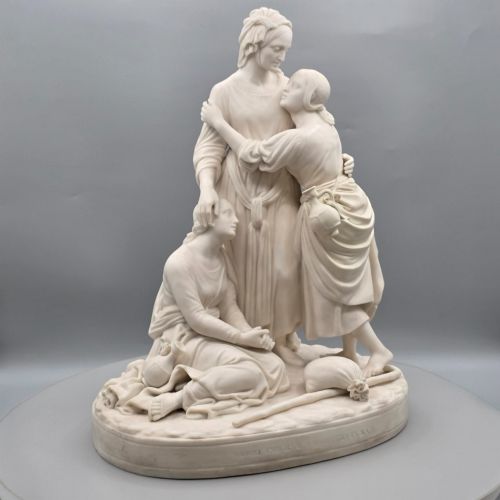
- A fine unglazed white biscuit porcelain developed to imitate marble, often utilised for classical figures and sculptural groups. It became particularly popular during the Victorian period for reproducing works of art.
- Overglaze enamel
- Coloured glass decoration fused to the surface of fired porcelain during a secondary low-temperature kiln firing. This technique permits a wide palette of vibrant hues.
- Pate sur pate
- A method where successive layers of liquid white porcelain slip are painted onto a tinted body to create a low relief cameo effect. The process demands immense patience and skill from the ceramic artist.
- Gilt
- A thin application of gold leaf or gold powder used to decorate ceramic surfaces, adding metallic highlights to garments, bases, and rims. It is frequently found on Regency and Victorian ornamental wares.
- Hard-paste porcelain
- A vitrified ceramic composed of kaolin and petuntse fired at very high temperatures to produce a durable, translucent body. European factories like Meissen perfected this formulation.
19th Century Porcelain Figures: Frequently Asked Questions
How do I identify a Meissen piece?
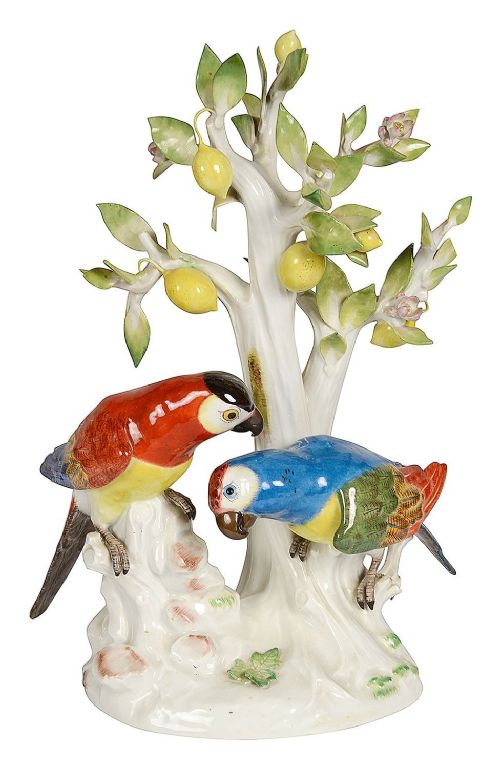
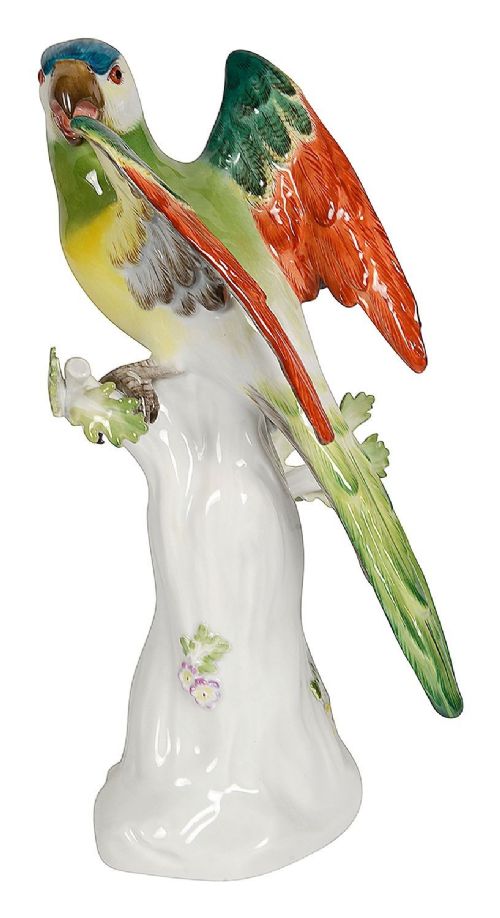
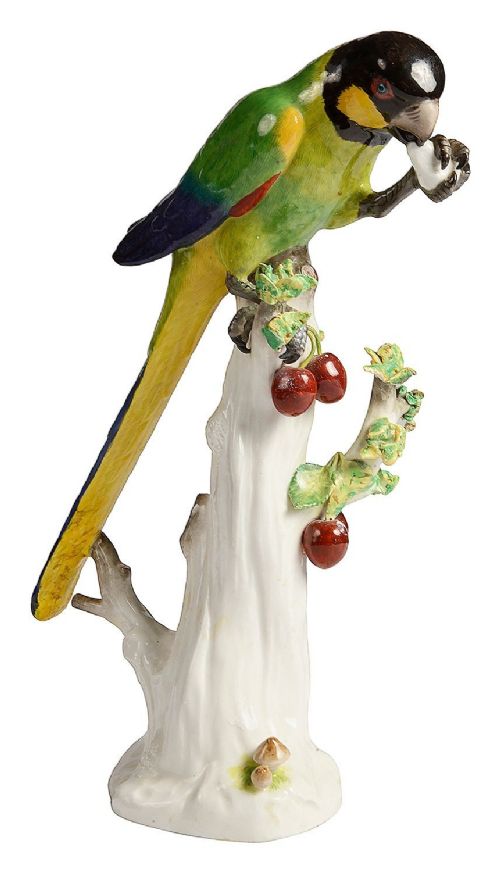
Meissen works often feature characteristic modelled subjects such as parrots, allegorical figures, and mythological groups produced in German kilns throughout the period. Look closely at the sculptural modelling and facial definition, which typically reflect high standards of studio execution.
Many pieces also carry historic factory marks beneath the glaze, though condition and the quality of the hand-painting remain the primary indicators of authenticity.
What is Parian porcelain?
Parian is an unglazed biscuit porcelain type designed specifically to resemble carved white marble. It gained immense popularity in the Victorian era for translating classical sculptures into domestic decorative objects.
Because the material lacks a glossy glaze, it has a matte, tactile surface that highlights the fine details of modelled drapery and human anatomy.
How should I display delicate porcelain figures?
These ceramic works require stable placement away from high-traffic areas and direct sunlight to protect fragile extremities, delicate lace elements, and painted enamel surfaces. Enclosed cabinets provide optimal protection from accidental knocks and airborne dust.
Ensure that shelves are level and avoid placing heavier sculptural groups near the edge of furniture.
What distinguishes French Paris porcelain?
Paris porcelain encompasses productions from various independent workshops and factories operating in the French capital during the 19th century. These items frequently combine neoclassical forms with rich hand-painted gilding and vibrant polychrome enamels.
Pieces range from decorative figural inkwells and table lamps to large-scale sculptural groups reflecting contemporary French tastes.