



Chelsea Style Porcelain Figures
Chelsea style porcelain figures bring the theatrical grace and pastoral charm of eighteenth-century models into nineteenth-century interiors.
Chelsea Style Porcelain Figures
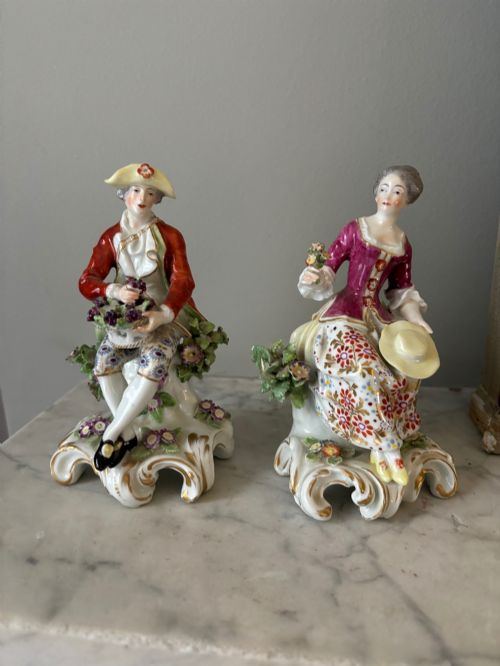
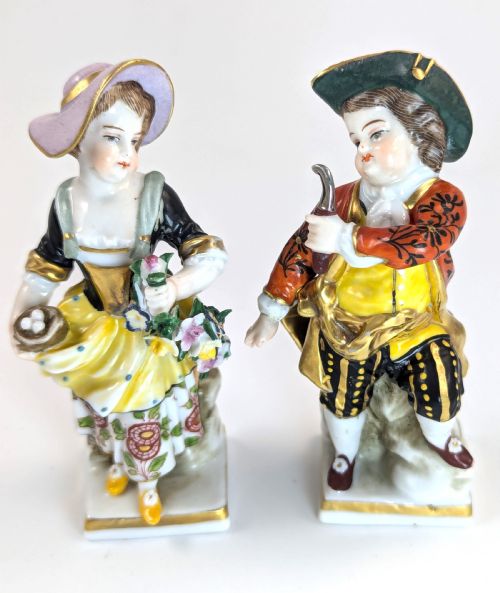
When you search for chelsea style porcelain figures, you encounter nineteenth-century interpretations of earlier eighteenth-century prototypes. These decorative objects capture classical deities, pastoral shepherds, cherubs, putti, and actors in elaborate poses.
The versions you meet most frequently on this page originate from nineteenth-century Parisian workshops, particularly associated with Samson of Paris, alongside German porcelain manufactories. They adopt the historic anchor marks and aesthetic spirit of early English porcelain.
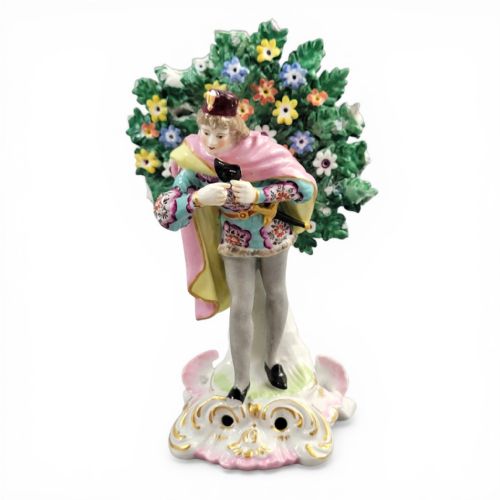
These figures take the form of paired or single decorative figurines, often incorporating elaborate bocage backgrounds of applied foliage and flowers. They stand as representative examples of Victorian historicism and revivalism in ceramic art.
How they were made
Makers utilised hard-paste porcelain, shaped through intricate moulding techniques to capture the delicate folds of garments and the nuanced expressions of faces. Artisans then applied detailed enamel colours by hand to bring vibrancy to the surfaces.
Gilding and gold leaf accents were carefully painted onto bases, scrolls, and garment trims, adding a layer of reflective brilliance. Many pieces integrated applied bocage work, requiring skilled manual assembly of fragile porcelain leaves and blossoms before firing.
Chelsea Style Porcelain Figures Retail Price Guide 2026
Typical asking prices for chelsea style porcelain figures among the pieces listed under this phrase on Sellingantiques today, from the lower quarter to the upper quarter. They describe what is for sale here now, not the wider market.
Victorian artisans carefully sculpted tiny porcelain sheep and goats to keep company with shepherds, gardeners, and cherubs.
What varies in quality
The application of enamel and the precision of the gilding dictate the visual depth of the object. Finer painting relies on subtle shading and controlled brushwork rather than heavy, flat colour application.
Edme Samson
The Chelsea Style Porcelain Figures Glossary
- Bocage
- An ornamental background of applied porcelain leaves and flowers that surrounds a figure. It creates a lush, naturalistic frame derived from eighteenth-century botanical aesthetics.
- Hard-paste porcelain
- A dense, durable ceramic composed of kaolin and petuntse, fired at high temperatures. It became the standard body for nineteenth-century continental interpretations of earlier soft-paste models.
- Rococo Revival
- A nineteenth-century design style characterised by asymmetrical scrolls, C-curves, and natural motifs. It heavily influenced the ornate bases and framing elements of these decorative figures.
- Putti
- Depictions of plump, winged infant spirits used frequently in pastoral and allegorical compositions. They often accompany central figures of deities or rustics.
- Gilding
- The application of gold leaf or gold paint to ceramic surfaces to highlight decorative details. It adds a metallic lustre that complements the painted enamels.
Chelsea Style Porcelain Figures: Frequently Asked Questions
What period do these figures date from?
The pieces listed here date from the nineteenth century, primarily the Victorian era and around eighteen-fifty.
They reflect the nineteenth-century fascination with historical recreation, specifically mimicking eighteenth-century English and continental porcelain traditions.
Who made these porcelain figures?
Many of these pieces are attributed to nineteenth-century Parisian workshops, notably Samson of Paris, as well as German manufactories.
These makers specialised in producing high-quality homages and revivals of earlier ceramic styles, occasionally incorporating pseudo-historical marks.
What subjects do the figures depict?
The subjects range from classical figures like Venus and Cupid to pastoral characters such as shepherds, shepherdesses, farmers, and gardeners.
Other common motifs include allegorical figures, actors with masks, and putti or cherubs engaged with animals.
How should I display them at home?
These decorative objects suit placement on mantelpieces, cabinets, or console tables where their intricate hand-painted details remain visible.
Because they feature delicate elements like applied porcelain foliage, placing them in stable locations away from heavy traffic prevents accidental damage.