


Antique French Ceramic Figures
Antique French ceramic figures bring ornamental character and colourful period charm to mantelpieces, drawing rooms and studies.
Antique French Ceramic Figures
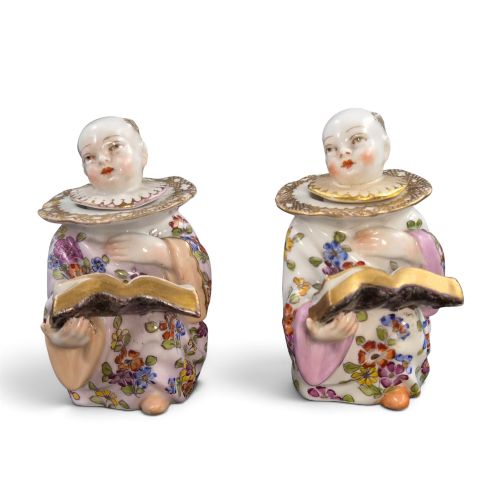
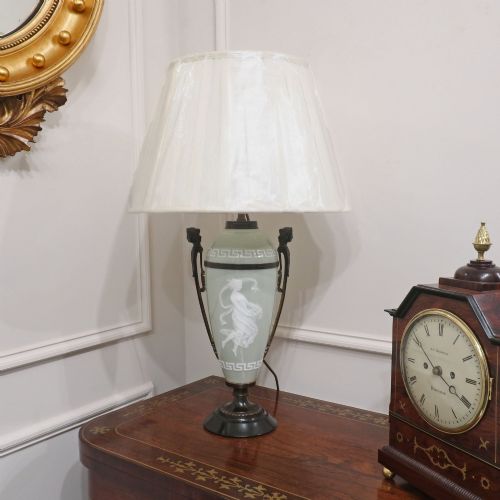
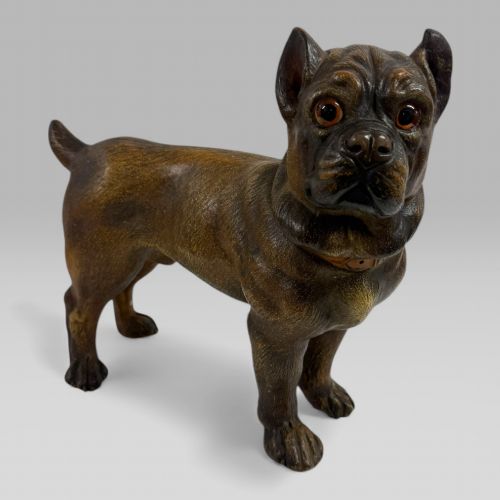
When buyers search for antique french ceramic figures, they encounter an array of decorative objects spanning figurine groups, sculptural animals, inkwells and table lamps. These pieces represent varied French manufacturing traditions, including soft-paste porcelain, earthenware, faience and terracotta.
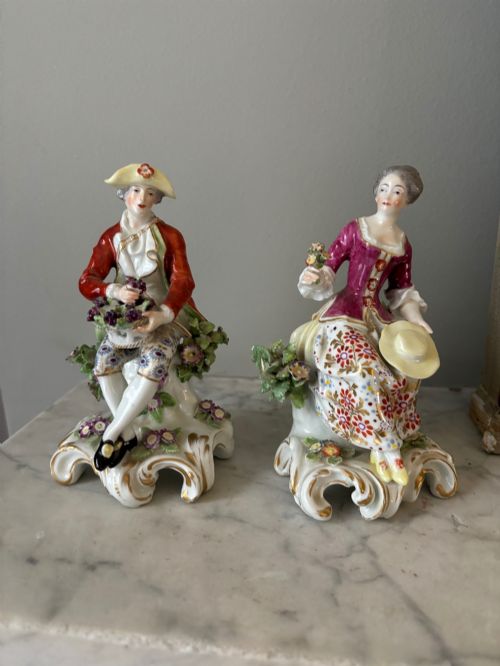
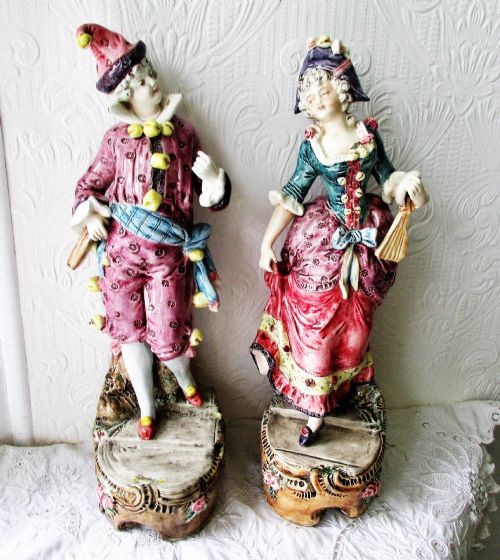
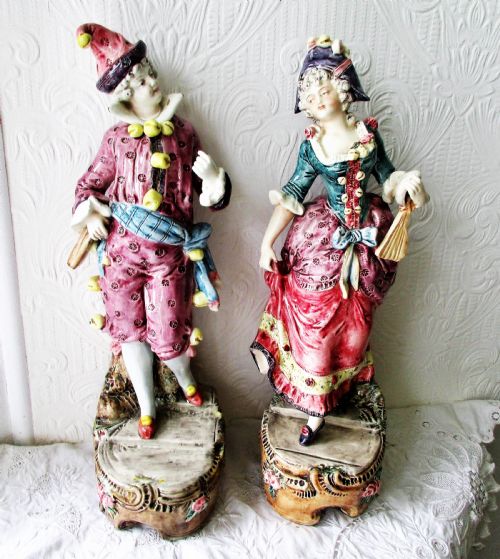
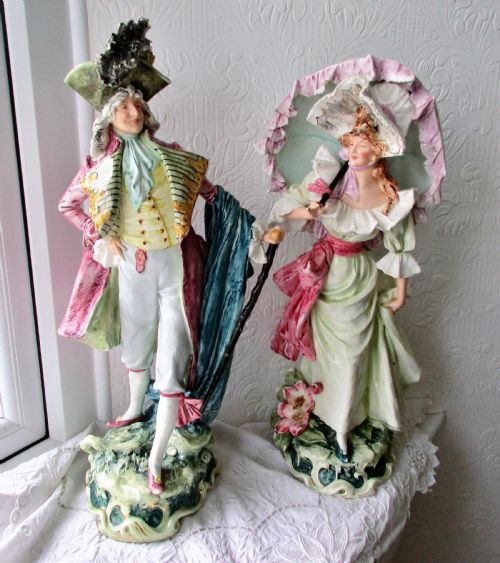
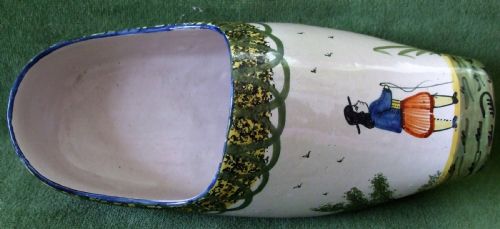
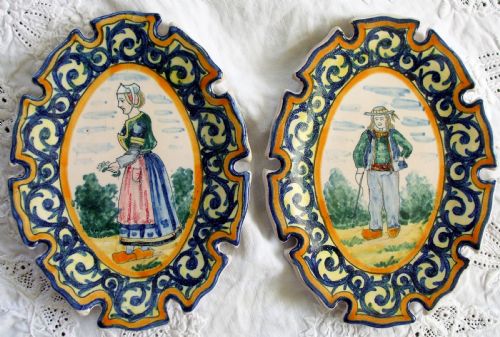
The selections on this page range from nineteenth-century Parisian porcelain workshops to twentieth-century Art Deco earthenware and regional pottery such as Quimper and Bavent. Buyers frequently discover modelled pairs depicting romantic subjects, theatrical characters, allegorical figures and animals.
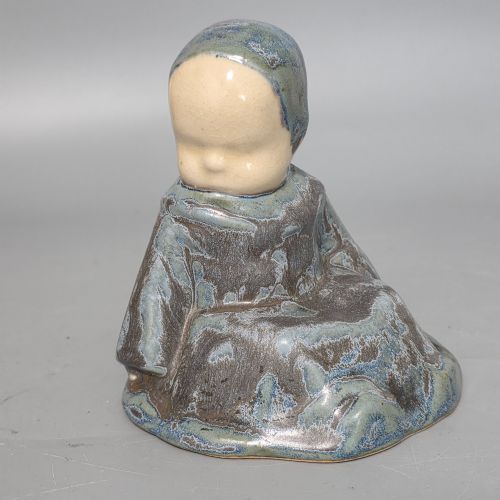
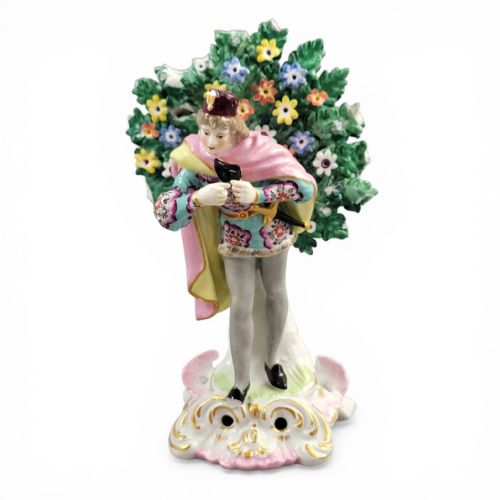
Earlier nineteenth-century works often reflect Revivalist tastes such as Rococo and Neoclassical styles, alongside copies of English Chelsea or Derby factories produced by Parisian makers. Later twentieth-century examples embrace clean lines and simplified forms typical of the Art Deco period.
How they were made
Potters and sculptors shaped these ceramic figures using moulds or hand-modelling techniques in clay, earthenware, stoneware, soft-paste porcelain or biscuit porcelain. Unglazed biscuit porcelain offers a matte, marble-like texture favoured for classical and romantic sculptural groups, while glazed pieces employ glossy finishes and hand-painted enamel details.
Listings include French ceramic figures from the eighteenth, nineteenth and twentieth centuries, spanning Rococo Revival, Victorian and Art Deco styles.
What varies in quality
Quality also rests in the sophistication of the glaze and the retention of original gilding or enamel colours. Well-preserved painted decoration without excessive rubbing or loss demonstrates careful preservation and higher initial workshop standards.
Edmé Samson·Vion & Baury·Berthe Savigny·Bourdois & Bloch·Letu & Mauger
The Antique French Ceramic Figures Glossary
- Bisque Porcelain
- Unglazed porcelain fired once to produce a matte, white finish resembling marble. This porous material reveals fine sculptural detail without glaze interference.
- Faience
- Tin-glazed earthenware produced across various European regional centres. It provides an opaque white background suitable for colourful hand-painted decoration.
- Paste
- The basic ceramic body mixture used in porcelain production. Hard-paste and soft-paste represent different mineral compositions fired at varying temperatures.
- Pate Sur Pate
- A ceramic decoration technique where liquid clay is built up in successive layers on a coloured body to create a low relief cameo effect.
- Bonbonniere
- A small ornamental box or container designed for holding sweets. These decorative pieces often feature sculpted figural lids.
Antique French Ceramic Figures: Frequently Asked Questions
How do I identify French porcelain figures?
Examination of the base often reveals painted or impressed factory marks, numbers or pseudonymous symbols used by workshops. The texture of the ceramic body and the style of hand-painted enamel decoration also offer clues to origin.
Many nineteenth-century Parisian makers deliberately imitated earlier English or Meissen styles, meaning stylistic comparison helps determine the exact period and workshop of manufacture.
What is the difference between porcelain and earthenware figures?
Porcelain is a vitrified, hard ceramic material fired at high temperatures, resulting in a dense, non-porous body that can be translucent when thin. Earthenware is a softer, opaque ceramic fired at lower temperatures.
Figures made from earthenware or faience usually feature a thicker body and opaque tin glaze, whereas porcelain allows for sharper modelled details and smoother glazed surfaces.
Where should I display ceramic figures at home?
These decorative objects suit stable display surfaces such as mantelpieces, enclosed bookshelves, console tables or glass-fronted cabinets. Placement should avoid areas exposed to direct sunlight or heavy foot traffic to protect delicate painted details.
Pairing matching figures symmetrically on either side of a fireplace or centrepiece creates a traditional decorative arrangement aligned with their original nineteenth-century display context.
How should I clean antique ceramic figures?
Dusting requires a soft, dry artist's paintbrush or a feather duster to remove surface particles gently without disturbing fragile extremities or applied elements like porcelain lace. Water and chemical cleaners should be avoided.
Harsh liquids can damage vulnerable hand-painted enamels, gilt highlights or unglazed biscuit surfaces, particularly on older pieces with delicate historic repairs.