


Gilt Porcelain Figurine
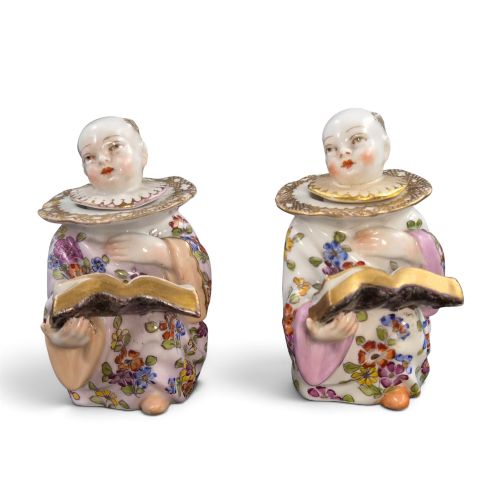
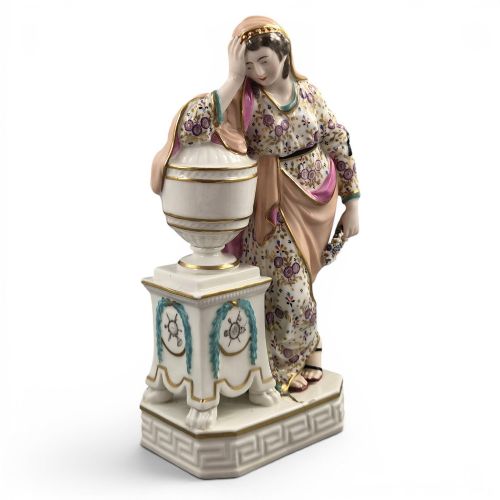
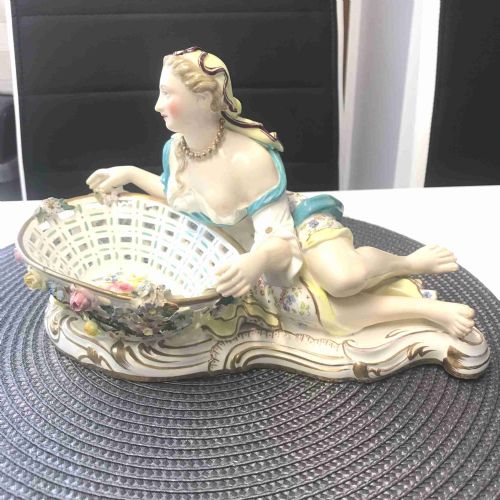
These gilt porcelain figurine examples combine moulded ceramic bodies with rich surface gilding, offering collectors delightful sculptural forms from multiple centuries.
Understanding gilt porcelain figurine options
A gilt porcelain figurine brings together three-dimensional ceramic modelling and metallic surface embellishment, capturing subjects from classical deities to everyday figures. When you search for a gilt porcelain figurine, you encounter pieces spanning the Georgian period, the Edwardian era, and the 1920s.
The selection includes specific named manufactories such as Royal Worcester, Derby, and Bow, alongside pieces in the Rococo Revival and Art Nouveau styles. These objects reflect diverse British and European ceramic traditions across the eighteenth, nineteenth, and twentieth centuries.
Moulded porcelain forms take shape as single characters, such as a bonneted lady, Diana with a hunting dog, a boy singer, or a woman carrying wicker baskets. Each piece demonstrates how historical factories utilised metallic leaf and enamel details to accentuate clothing and accessories.
Materials and methods
Makers shaped soft-paste porcelain and standard porcelain bodies using moulds before firing the ceramic material at high temperatures. Early eighteenth-century workshops applied hand-painting techniques with enamel colours alongside applied gilding to enhance the sculptural contours.
The application of gold leaf and gilding highlights specific areas of garments, hair, and bases. This metallic treatment catches ambient light, creating contrast against the white or painted porcelain surfaces beneath.
Retail Price Guide 2026
Typical UK retail prices for gilt porcelain figurine, calculated from the Sellingantiques database of over a million retail prices indexed since 2003. This retail price guide relies exclusively on Sellingantiques data; no external sources or auction records are used, so the figures do not describe the wider market.
Objects span Rococo, Rococo Revival, Art Nouveau, and Art Deco design styles.
Distinctions in quality
The distinction between standard output and finer work lies in the fluency of the sculptural gesture and the preservation of the gold leaf over time. Pieces bearing clear historical factory identities often display greater refinement in both potting and surface decoration.
Royal Worcester·Derby Porcelain·Bow Porcelain·Royal Dux
The Gilt Porcelain Figurine Glossary
- Gilt
- Covered thinly with gold leaf or gold paint. This technique adds metallic brilliance to ceramic surfaces.
- Soft-paste porcelain
- A ceramic material composed of clay and glass frit, fired at lower temperatures than hard-paste. It was widely used by eighteenth-century English factories.
- Rococo
- An ornate artistic style characterised by asymmetry, scrollwork, and naturalistic motifs. It heavily influenced European figurine design during the mid-eighteenth century.
- Patch period
- A specific phase in Derby porcelain production identified by unglazed patches on the base where kiln supports touched the piece. It helps date eighteenth-century items.
- Enamel
- Vitreous material fused to the ceramic surface through firing. It provides permanent colour decoration on porcelain figurines.
Frequently Asked Questions
What periods do these figurines come from?
The pieces span several distinct historical eras, including the Georgian period, the eighteenth and nineteenth centuries, the Edwardian era, and the 1920s.
Each period introduced different stylistic preferences, ranging from mid-eighteenth-century Rococo designs to later Art Nouveau and Art Deco interpretations.
How do I identify a Derby figurine?
Derby porcelain pieces often feature characteristic potting techniques from specific production phases, such as the patch period of the seventeen-sixties.
Looking at the modelling style, baseline marks, and the application of enamel and gilding helps connect a piece to the factory.
What subjects are commonly depicted?
Makers frequently portrayed mythological figures like Diana with her hunting dog, alongside musical performers such as a boy singer.
Other common subjects include bonneted ladies and rural figures carrying baskets, reflecting popular tastes of their respective eras.
How should I display gilt porcelain?
Display these figurines away from direct sunlight and heavy foot traffic to protect the delicate enamel colours and applied gold leaf.
Stable cabinet placement ensures the fragile porcelain limbs and protruding decorative elements remain safe from accidental knocks.