
18th Century English Porcelain
These 18th century english porcelain pieces are early ceramic works offering refined Georgian forms and painted enamel decoration that collectors prize.
What 18th Century English Porcelain Is
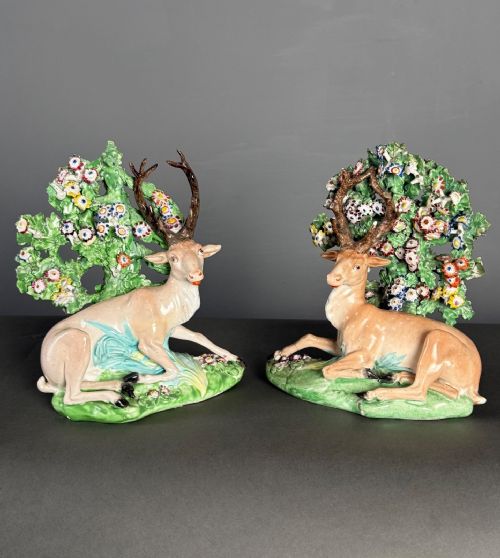
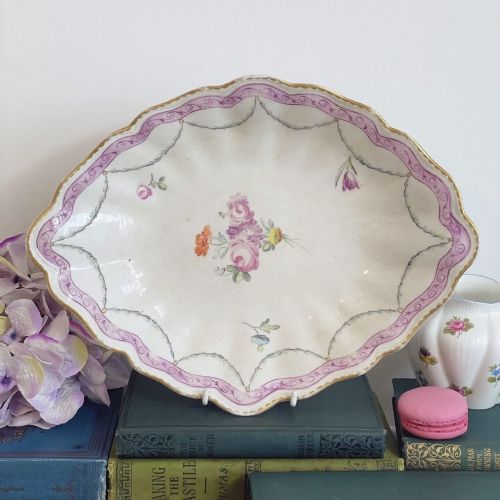
Buyers seeking 18th century english porcelain encounter items spanning decorative dishes, pickle dishes, figurines, decorative ceramics, and sweetmeat stands. These early ceramic objects embody the Georgian aesthetic and the Rococo style.
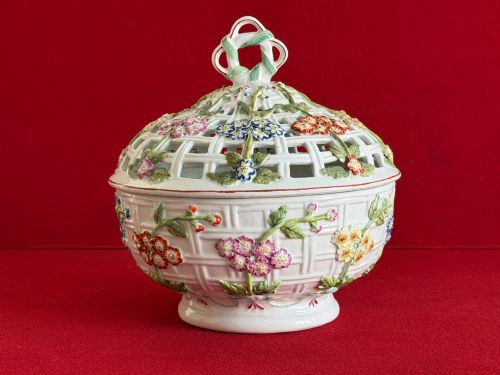
The pieces listed on this page originate from the eighteenth century, alongside occasional examples from the nineteenth century. Forms range from functional serving vessels like chestnut baskets to sculptural figurines depicting human figures.
Materials and Techniques
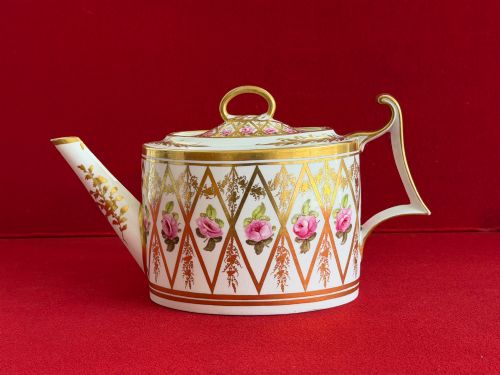
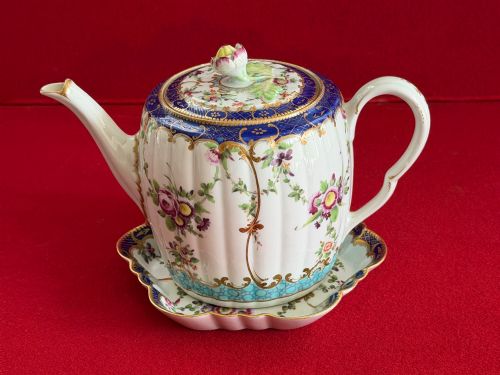
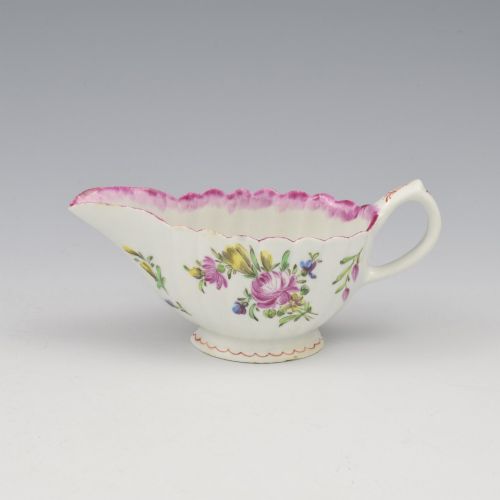
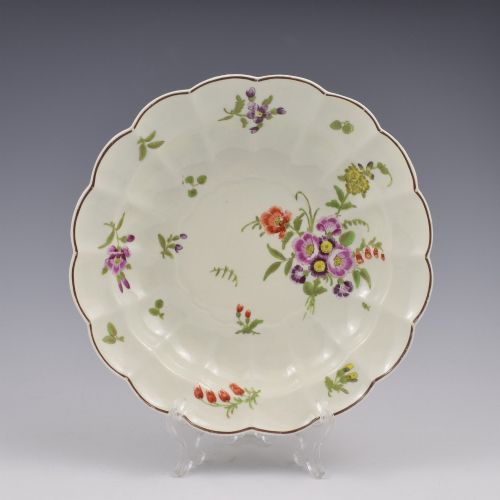
Potters utilised soft-paste porcelain and standard porcelain bodies to shape these objects, often embellishing the surfaces with enamel pigments. Artisans applied gold leaf, gilding, and gilt highlights to accentuate moulded details and painted scenes.
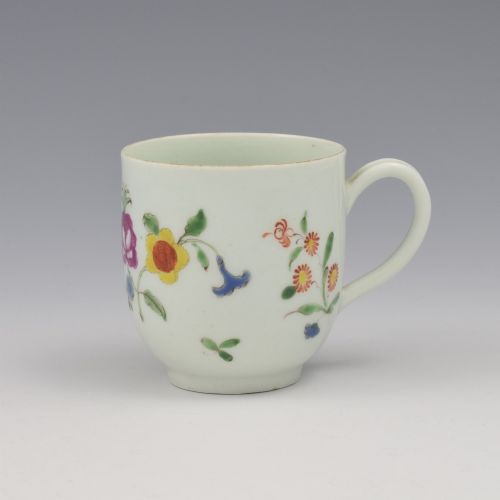
Manufacturing techniques combined slip casting or hand moulding with careful hand-painting of motifs such as birds, rocks, and floral patterns. Firing processes in period kilns produced the characteristic glaze textures seen on these ceramics.
Retail Price Guide 2026
Typical UK retail prices for 18th century english porcelain, calculated from the Sellingantiques database of over a million retail prices indexed since 2003. This retail price guide relies exclusively on Sellingantiques data; no external sources or auction records are used, so the figures do not describe the wider market.
Object types documented in the listings include decorative dishes, pickle dishes, figurines, and sweetmeat stands.
Quality and Execution
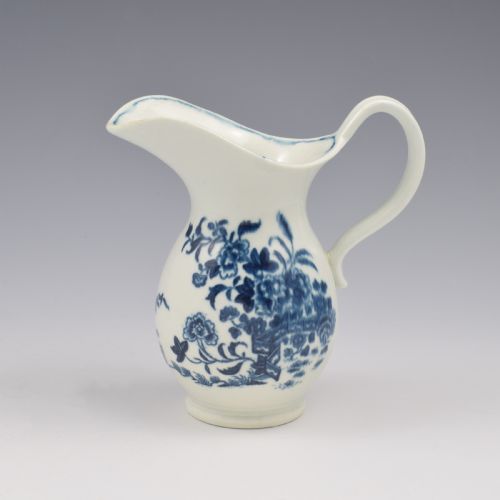
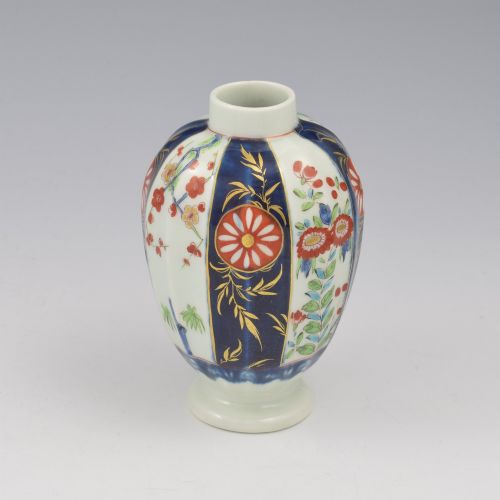
Distinction across these ceramics rests in the precision of the hand-painted enamel decoration and the crispness of the moulded Rococo or Georgian forms. Finer examples display meticulous brushwork on pictorial elements like peony and rock patterns.
The application of gold leaf and gilding dictates the upper tier of execution, where metal leaf remains bright and sharply defined against the porcelain body. Superior pieces maintain structural integrity in complex items such as baskets and figural groupings.
New Hall·Worcester·Bow
The 18th Century English Porcelain Glossary
- Soft-paste porcelain
- An artificial ceramic composition fired at lower temperatures than hard-paste porcelain, common in early English factories. It provides a warm, slightly translucent body suited to enamelling.
- Enamel
- Opaque vitreous paint applied over or under the glaze to create colourful pictorial scenes and borders. This material was fixed to the porcelain surface through secondary kiln firings.
- Gilding
- The application of gold leaf or powdered gold to ceramic surfaces for decorative enhancement. This technique highlights rims, handles, and moulded reliefs.
- Rococo
- An ornate artistic style characterised by asymmetrical scrolls, C-scrolls, and naturalistic motifs like shells and leaves. It heavily influenced mid-eighteenth-century English ceramic design.
Frequently Asked Questions
What is soft paste porcelain?
Soft-paste porcelain is an early ceramic mixture composed of clay, glass frit, and ground minerals fired at moderate temperatures. This formulation allowed eighteenth-century English factories to produce items before discovering native hard-paste deposits.
The resulting body absorbs glazes and enamel colours distinctively, giving these historical objects their characteristic appearance.
How do I identify a pickle leaf dish?
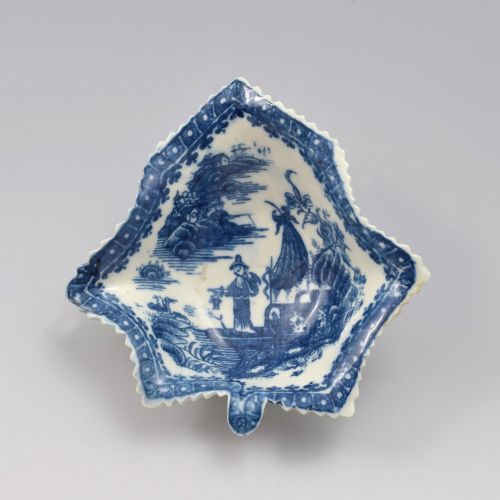
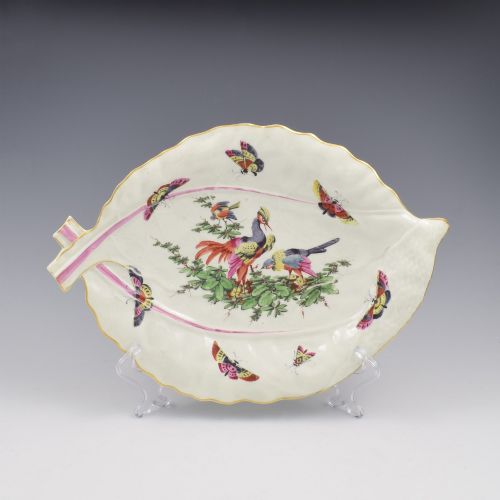
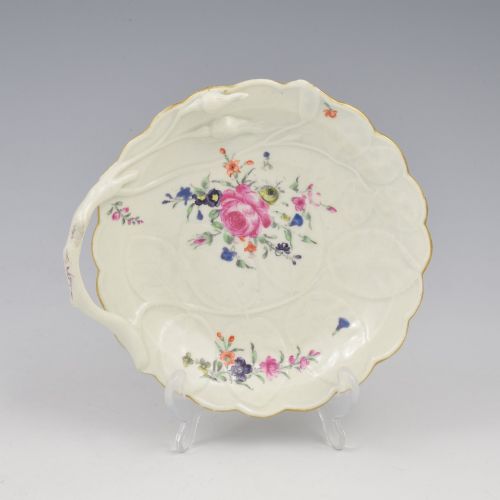
A pickle leaf dish is a small moulded serving vessel shaped to resemble a natural leaf, often featuring veining and stalk handles. Factories produced these dishes for table service during the Georgian period.
Painted details on these pieces frequently include botanical motifs or small birds.
Where were these porcelain items made?
These ceramics were produced in English manufacturing centres such as Worcester, Bow, and the New Hall works. Each factory developed distinct paste compositions and painting styles.
Potters drew inspiration from imported Asian ceramics as well as contemporary European designs.
How should I display sweetmeat stands?
Sweetmeat stands require secure placement on stable furniture away from high-traffic areas or direct sunlight. Their delicate soft-paste bodies and tiered structures benefit from enclosed cabinet display.
Handling should be minimal and supported from the base rather than handles or decorative edges.