
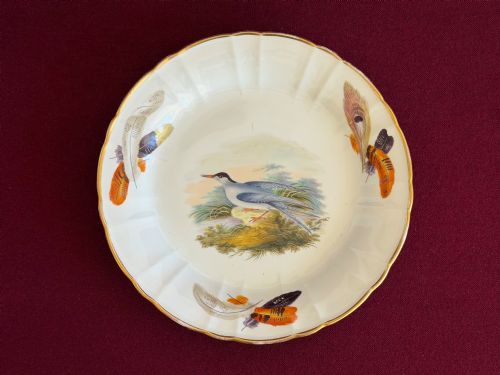
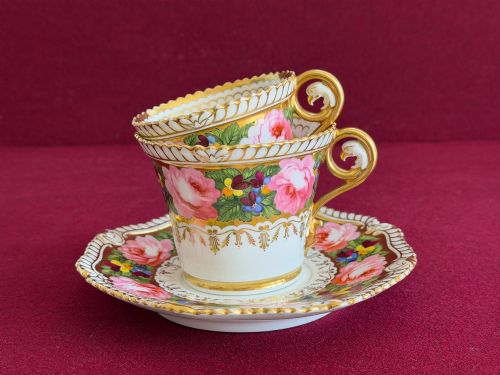
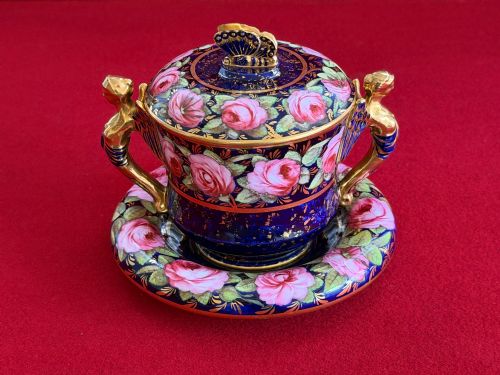
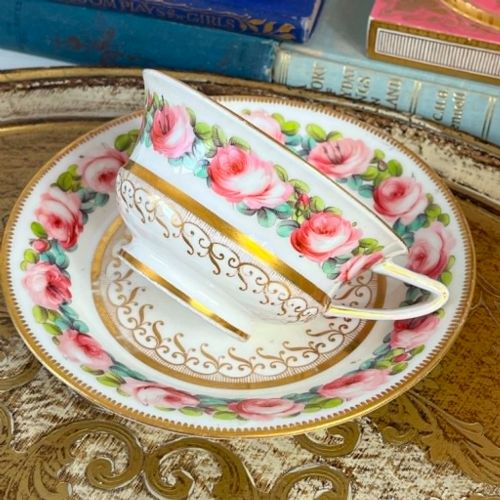
Antique Porcelain Saucer
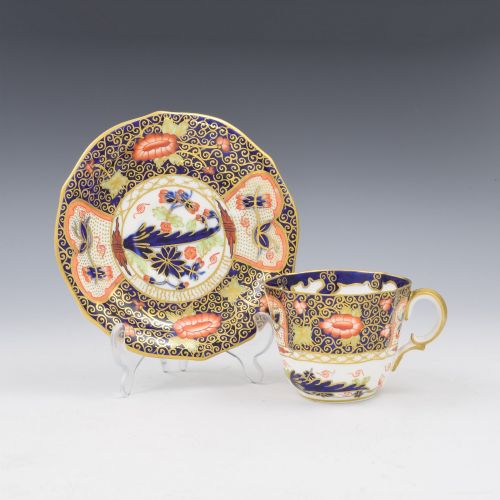
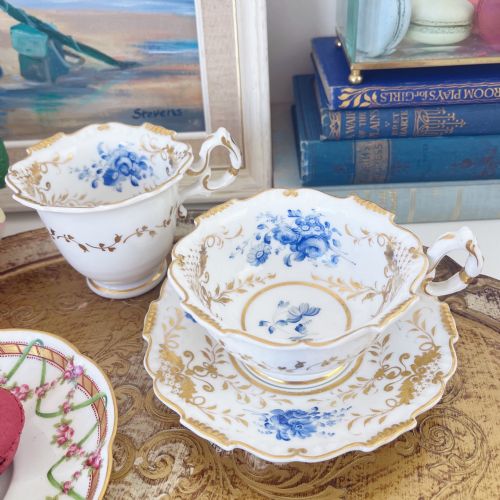
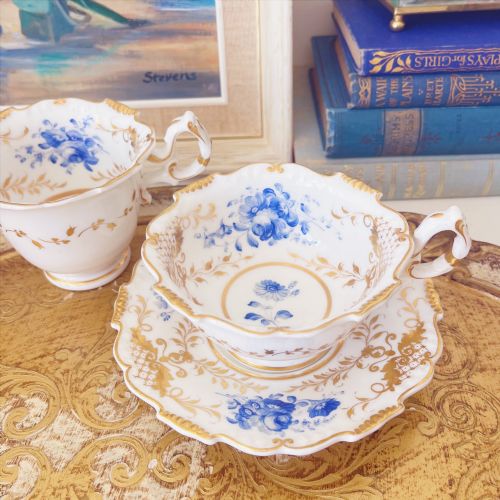
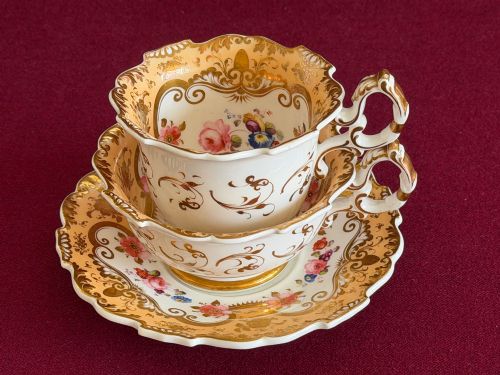
An antique porcelain saucer carries the delicate artistry of centuries past, offering collectors a tactile link to historic dining rooms and tea tables.
Antique Porcelain Saucer
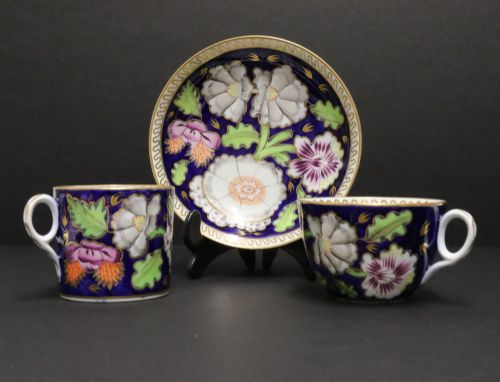
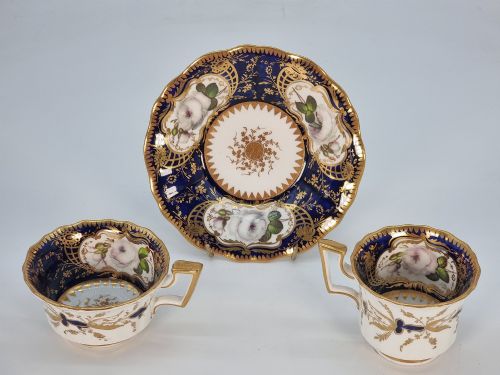
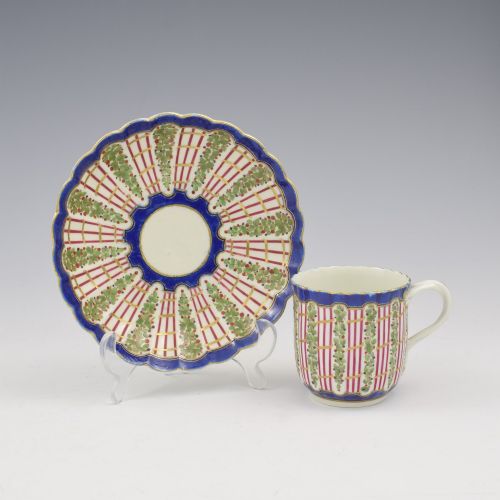
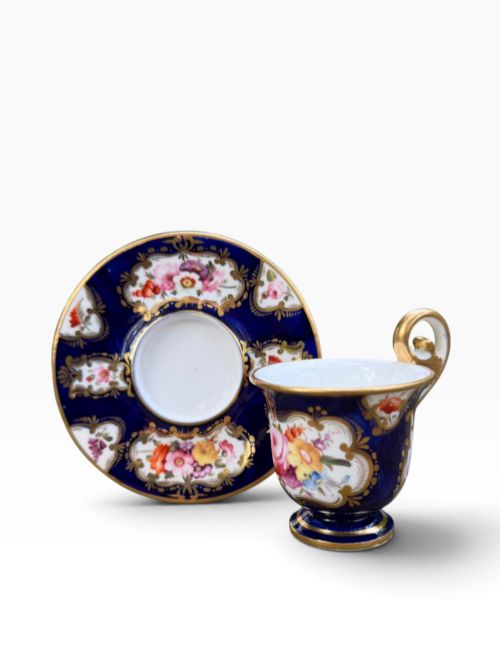
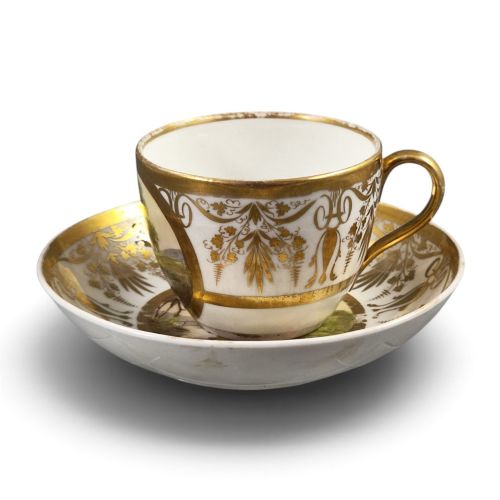
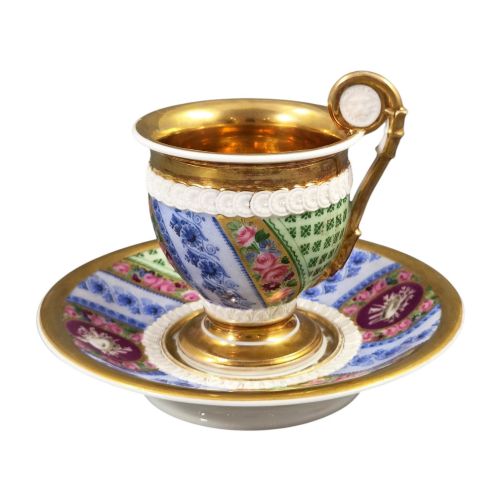
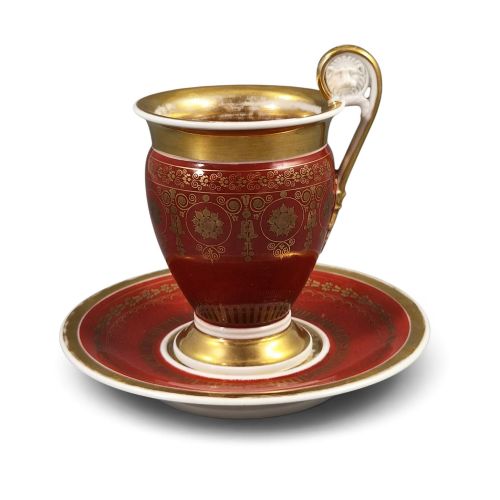
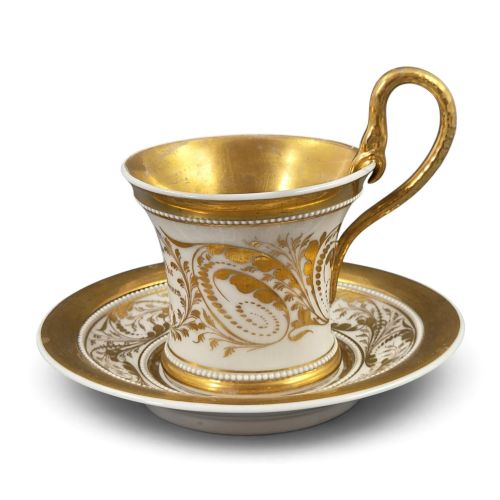
When searching for an antique porcelain saucer, collectors encounter small ceramic plates designed to accompany tea bowls, coffee cups, and cabinet displays. The versions met on this page span diverse periods such as the eighteenth century, Georgian era, Regency, and Victorian times.
The selections include British factories alongside continental European kilns and Chinese export wares. Forms range from simple tea bowl companions to elaborate cabinet pieces paired with matching cups.
How they were made
Potters utilised fine ceramic compositions including porcelain, soft-paste porcelain, and bone china to form the base bodies. Artisans then applied intricate handpainted details, enamel, and gold leaf or gilding to decorate the surfaces.
Kiln firing set the glazes and pigments, creating the durable yet fragile tableware recorded across these historic manufacturing traditions.
Antique Porcelain Saucer Retail Price Guide 2026
Typical asking prices for porcelain saucer among the pieces listed under this phrase on Sellingantiques today, from the lower quarter to the upper quarter. They describe what is for sale here now, not the wider market.
Some saucers outlived their teacups centuries ago, leaving solitary ceramic dishes to ponder a lifetime without a partner.
What varies in quality
Quality separates through the precision of the handpainted decoration and the crispness of the porcelain moulding. Pieces displaying finely detailed miniatures or carefully applied gold leaf sit at the upper end of the range.
The reputation of the manufactory and the preservation of the original enamel colours further distinguish standard domestic wares from exceptional cabinet examples.
Royal Crown Derby·H & R Daniel·Wedgwood·Chamberlain Worcester·Spode·Coalport·KPM Berlin·New Hall·Flight & Barr·Rockingham·Minton·Sevres·Meissen
The Antique Porcelain Saucer Glossary
- Soft-Paste Porcelain
- A glassy ceramic composition fired at lower temperatures than hard-paste, common in early European factories. It often displays a warm, creamy translucent body.
- Bone China
- A porcelain type containing bone ash, developed to provide increased strength and a brilliant white background. This material became a staple of British ceramic production.
- Enamel
- Opaque glass-like pigments fused to the surface of fired ceramics during secondary low-temperature kilning. These provide the vibrant colours seen on painted wares.
- Gilding
- The application of gold leaf or powdered gold to ceramic borders and handles. It elevates the decorative status of the vessel.
- Tea Bowl
- A handleless drinking vessel used before the widespread adoption of teacups with handles. Saucers were originally designed specifically to cradle these small bowls.
Antique Porcelain Saucer: Frequently Asked Questions
What is an antique porcelain saucer?
An antique porcelain saucer is a small ceramic dish produced during past centuries, originally created to hold a matching tea or coffee vessel. They survive today as cabinet items or components of historic tea sets.
These pieces reflect the prevailing decorative styles and ceramic technologies of their respective periods, ranging from eighteenth-century soft-paste wares to Victorian bone china.
How were these saucers used?
Historically, these dishes served a practical role at the dining or tea table, often holding tea bowls or cups while catching spills. Diners would sometimes pour hot tea from the cup into the saucer to cool the liquid before drinking.
Over time, changing etiquette shifted their purpose toward decorative display, leading to the creation of elaborate cabinet plates and matched trios.
How do you care for antique porcelain?
Living with these delicate ceramics requires gentle handling and careful placement away from high-traffic edges or direct sunlight. Hand washing in lukewarm water with mild soap is necessary, avoiding modern dishwashers entirely.
Displaying them securely on padded plate stands or within enclosed cabinets protects the fragile glazes and delicate gold leaf from accidental abrasion.
How can you tell periods apart?
Distinguishing between periods involves examining the ceramic paste, the characteristics of the glaze, and the stylistic painting conventions. Eighteenth-century pieces often feature soft-paste bodies and hand-potted irregularities, while Regency and Victorian items frequently showcase refined bone china and distinct floral or landscape motifs.
Maker marks, where present, provide definitive clues to the era of production and the specific kiln responsible for the piece.