
Hand Painted Porcelain Saucer
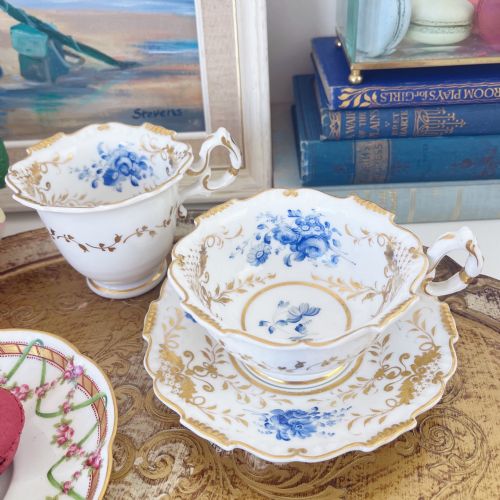
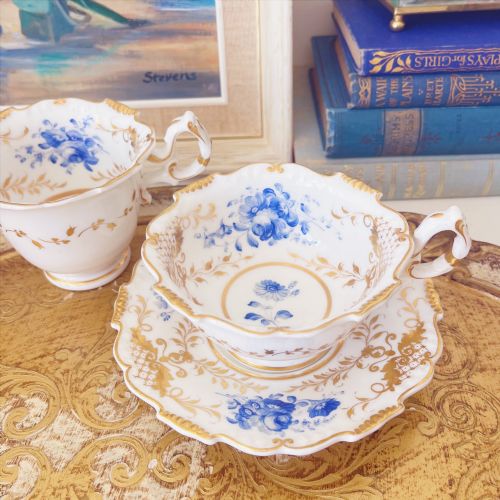
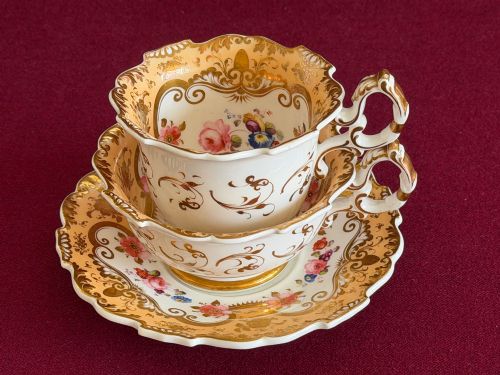
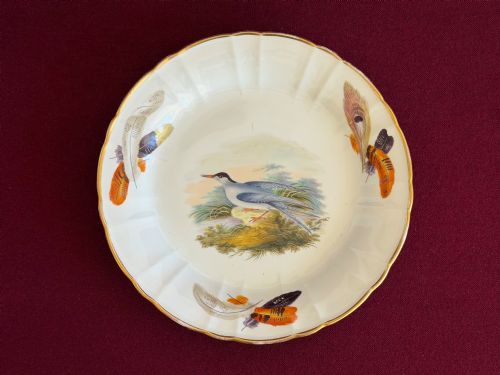
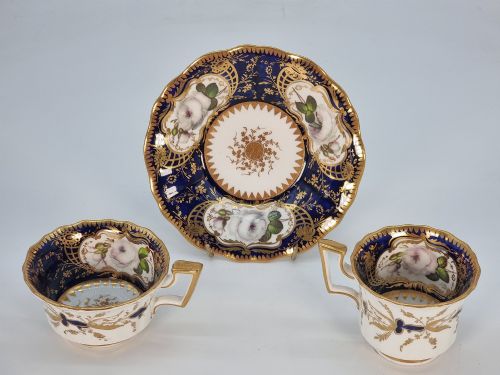
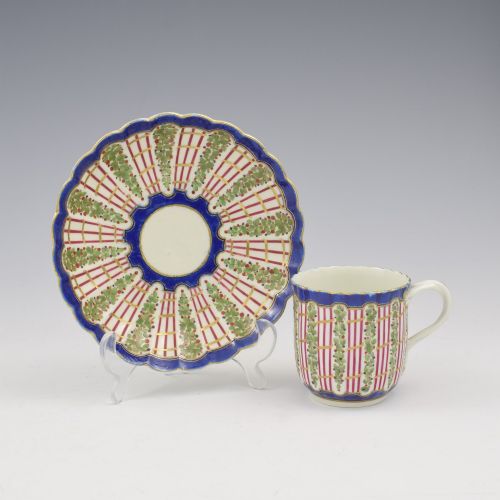
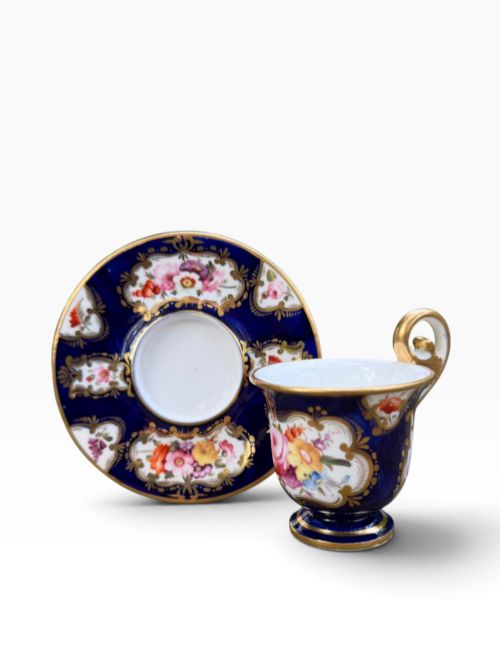
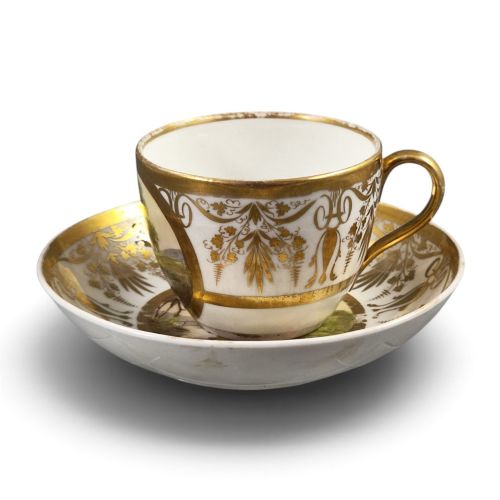
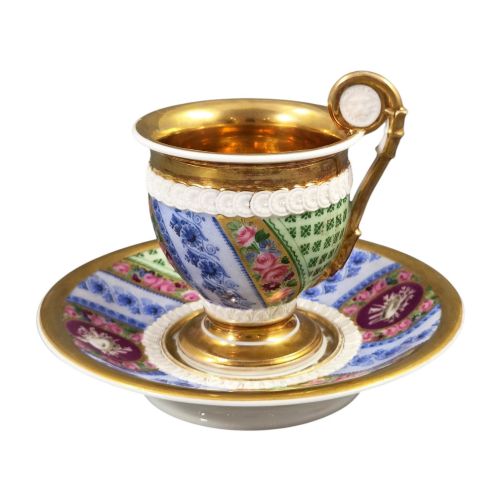
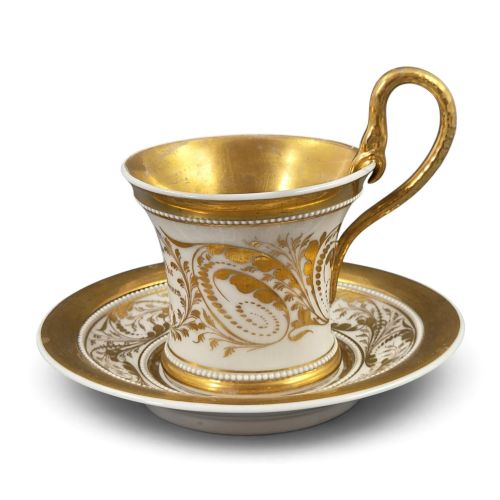
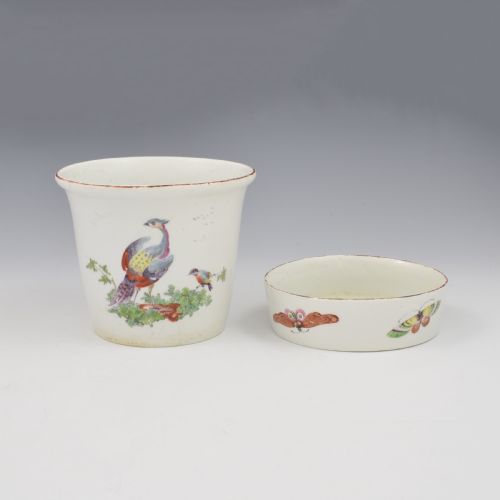
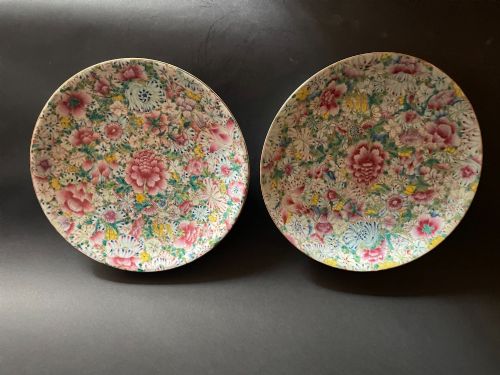
A hand painted porcelain saucer is a delicate ceramic piece of functional art, prized for its intricate miniature landscapes and floral studies.
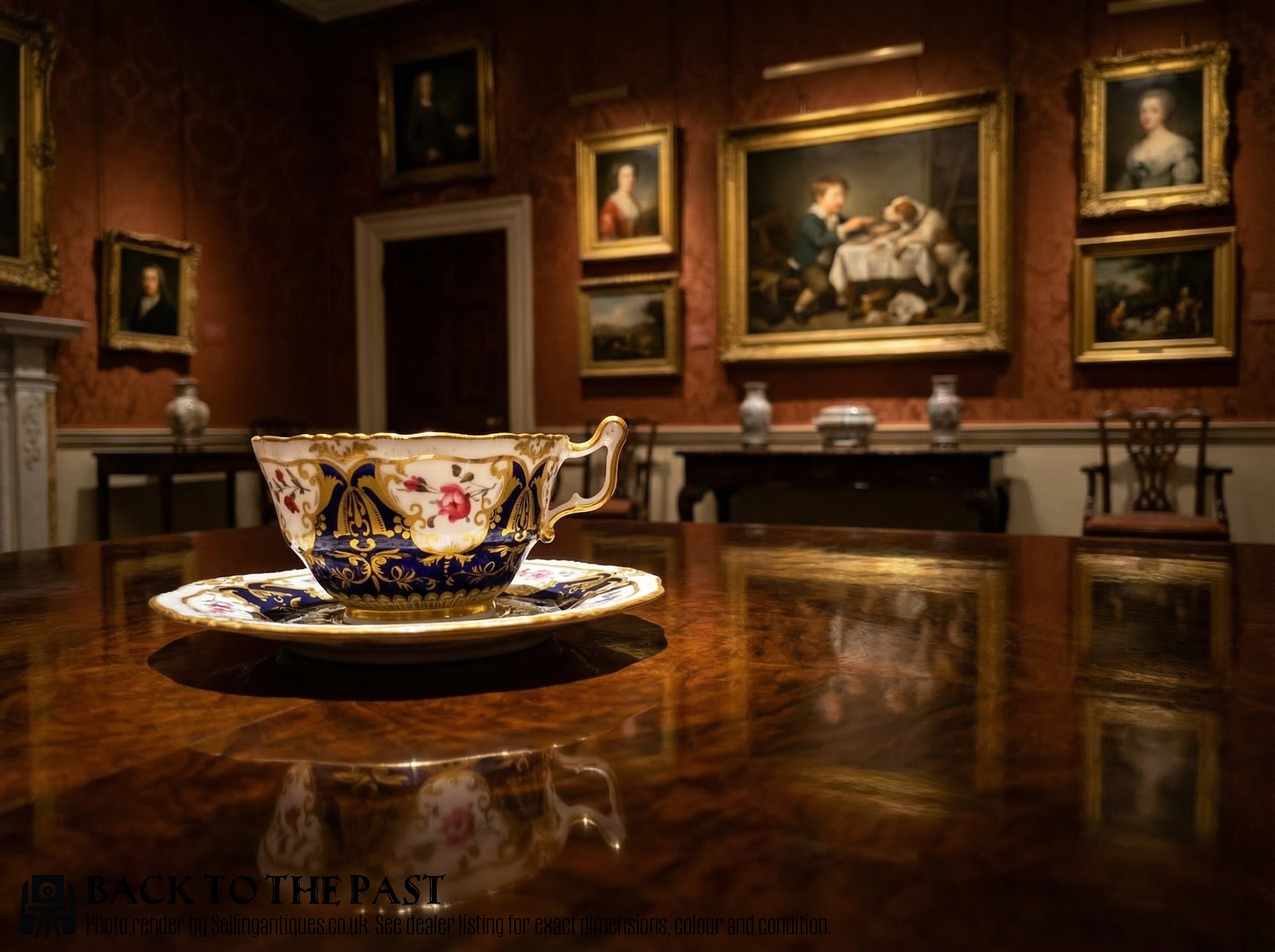
Hand Painted Porcelain Saucer
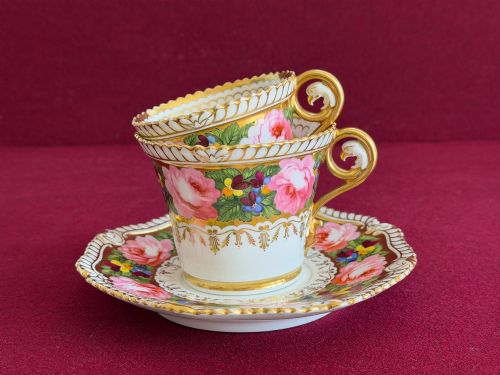
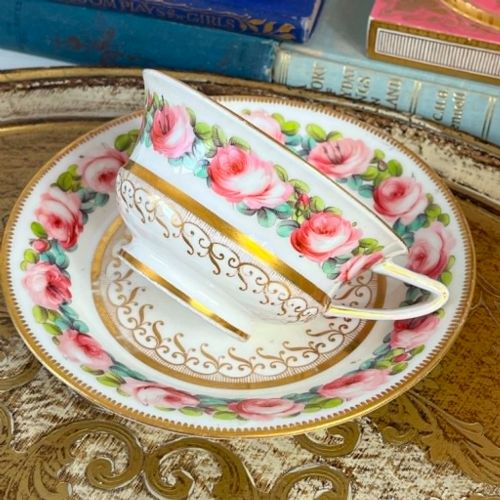
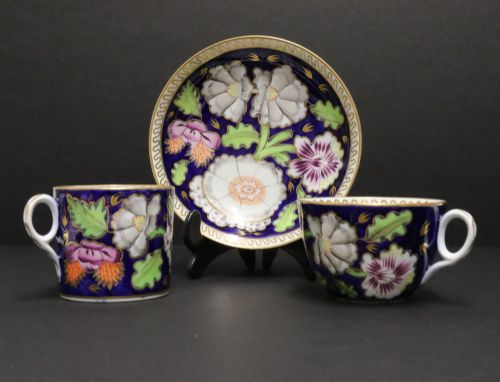
A hand painted porcelain saucer represents a focused category of domestic ceramics produced primarily across the eighteenth and nineteenth centuries in European and British kilns. These objects survive either independently or matched to their original teacups, coffee cans and trios.
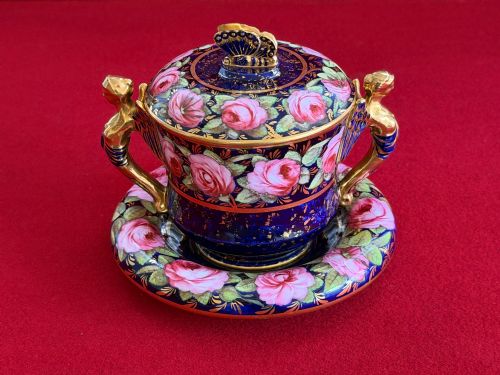
Most examples encountered here originate from Georgian, Regency and Victorian workshops, spanning soft-paste and hard-paste ceramic bodies alongside bone china. Forms range from simple tea bowls to elaborate cabinet pieces designed for display rather than daily service.
Makers represented across the inventory include prominent English factories such as Worcester, Coalport and Derby alongside continental establishments like Meissen, Sèvres and KPM Berlin. Each piece bears hand-applied pigments, often framed by gilt borders or enamel detailing.
Materials and manufacture
Potters shaped these vessels using traditional wheel-throwing or casting techniques, employing foundational bodies of bone china, soft-paste or hard-paste porcelain depending on the period and factory recipe. The raw clay bodies underwent initial biscuit firing before receiving glazes and hand-brushed polychrome decoration.
Painters applied mineral enamels using fine-haired brushes to create botanical studies, birds and topographical landscapes directly onto the glazed surface. Subsequent low-temperature kilns fused these pigments permanently into the glaze.
Workers completed many pieces by hand-applying gold leaf or liquid gilding to rims, wells and handles, followed by burnishing with agate stones to achieve a bright metallic contrast against the painted motifs.
Hand Painted Porcelain Saucer Retail Price Guide 2026
Typical asking prices for hand painted porcelain saucer among the pieces listed under this phrase on Sellingantiques today, from the lower quarter to the upper quarter. They describe what is for sale here now, not the wider market.
Object forms documented here include teacups and saucers, cabinet plates, coffee cans and complete tea services.
Standards of craftsmanship
The distinction between ordinary production and superior work rests on the precision and artistry of the brushwork. Master painters working at premier factories achieved remarkable depth and fine detail in botanical studies and landscape vignettes, whereas lower tiers show repetitive, hastily rendered motifs.
Body preparation and kiln control also define quality, visible in the translucency of the porcelain and the smoothness of the glaze free from warping or ash pitting. Superior pieces maintain crisp, sharp gilding that has been hand-burnished rather than left dull and matte.
The prestige of the manufactory and the documentation of specific patterns or named artists elevate certain items above standard domestic wares of the same decade.
H and R Daniel·Wedgwood·Chamberlain Worcester·Spode·Newhall·Coalport·Dr Wall Worcester·KPM Berlin·Derby·Flight and Barr·Rockingham·Minton·Sevres·Meissen·Royal Worcester·Flight Barr and Barr·Hicks Meigh and Johnson
The Hand Painted Porcelain Saucer Glossary
- Soft-paste porcelain
- An artificial ceramic compound fired at lower temperatures than hard-paste, featuring a warmer glaze tone that absorbs enamel colours deeply. It was widely used in early English factories before bone china became dominant.
- Bone china
- A British ceramic innovation incorporating animal bone ash into the paste, producing a durable, highly translucent white body suited to delicate painted decoration.
- Gilding
- The application of gold leaf or powdered gold to ceramic surfaces, typically fired and hand-polished to accentuate rims and handles.
- Enamel
- Opaque or translucent coloured glass fused to the porcelain body during secondary kiln firings to form the painted design.
- Cabinet plate
- A decorative ceramic dish intended purely for display in a cabinet or on a wall rather than practical dining use.
- Coffee can
- A straight-sided cylindrical cup produced in the Georgian and Regency periods specifically for drinking strong coffee, frequently paired with a matching saucer.
Hand Painted Porcelain Saucer: Frequently Asked Questions
How do I date an antique saucer?
Dating relies on factory paste compositions, stylistic markers, and painted pattern numbers recorded in ceramic archives. Early pieces often feature unglazed foot rims and hand-written factory marks beneath the glaze.
Later Victorian examples typically incorporate printed registration numbers or impressed factory ciphers that narrow the production window to specific active years.
Can I use these saucers for serving tea?
While structurally sound, antique saucers of this age are generally treated as cabinet pieces or decorative display items. The overglaze enamels and delicate gilding can wear down with frequent washing and modern detergents.
Hand washing in lukewarm water with mild soap is necessary if handled, though most collectors prefer to preserve them away from daily dining use.
What is the difference between soft-paste and hard-paste?
Soft-paste porcelain contains glass frit and clay minerals, resulting in a creamy body that feels warmer to the touch and shows a distinct vitreous texture under magnification. Hard-paste porcelain uses kaolin and petuntse fired at extreme heat, yielding a stark white, extremely hard body.
European factories like Meissen pioneered hard-paste earlier, while English kilns perfected soft-paste and bone china variations.
Why are some saucers sold without cups?
Teacups and coffee cans suffered higher breakage rates over centuries of daily use compared to the saucers they rested upon. As a result, surviving saucers frequently became separated from their original drinking vessels.
Many listings present these individual saucers as decorative cabinet dishes or replacement items for matched sets.