

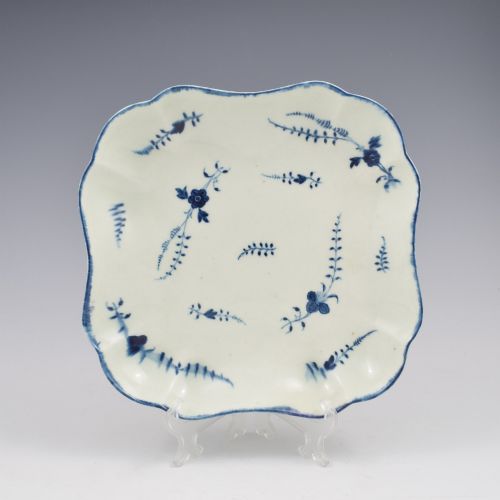
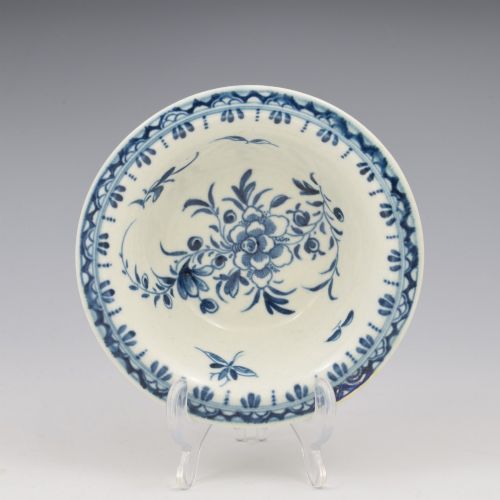
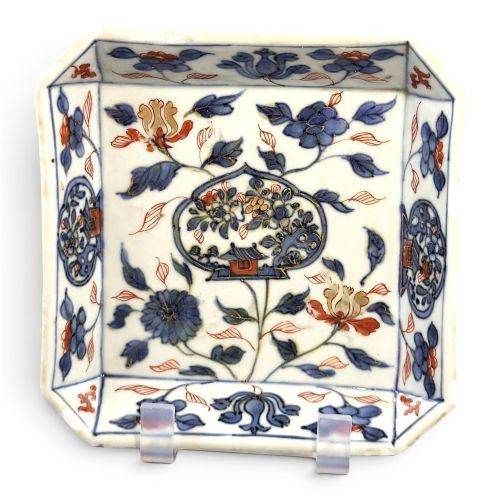
18th Century Porcelain Dish
An 18th century porcelain dish brings centuries of ceramic artistry and refined table service directly into a modern interior.
18th Century Porcelain Dish
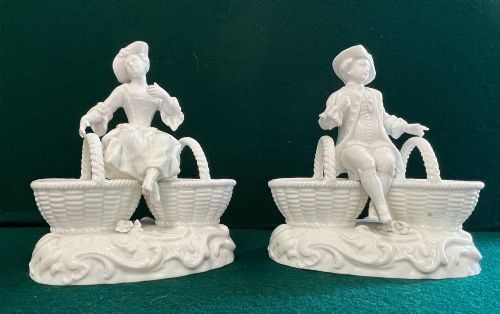
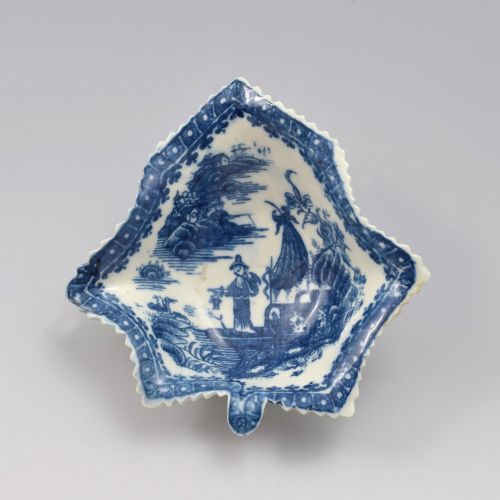
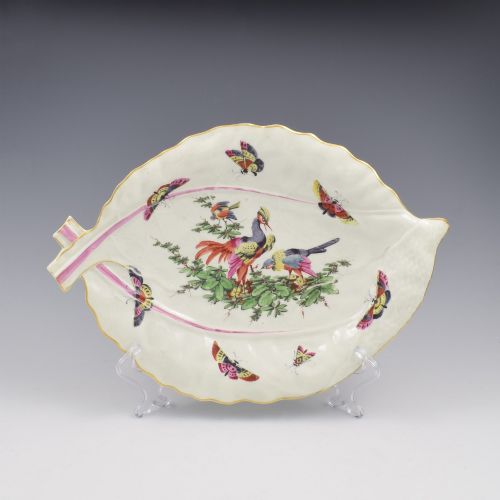
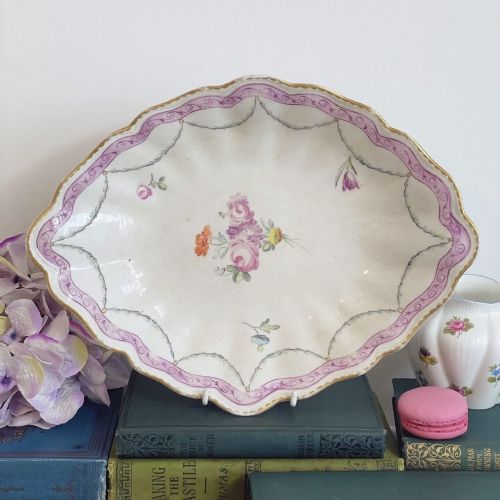
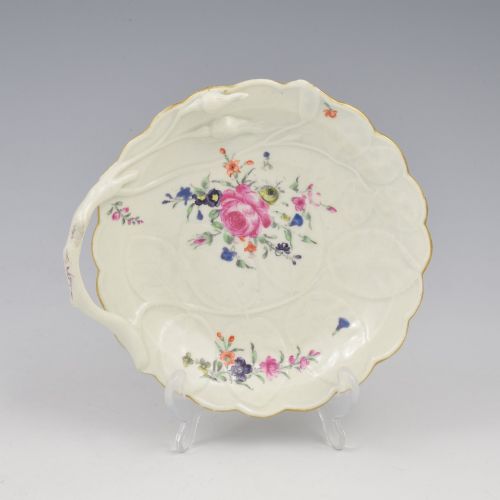
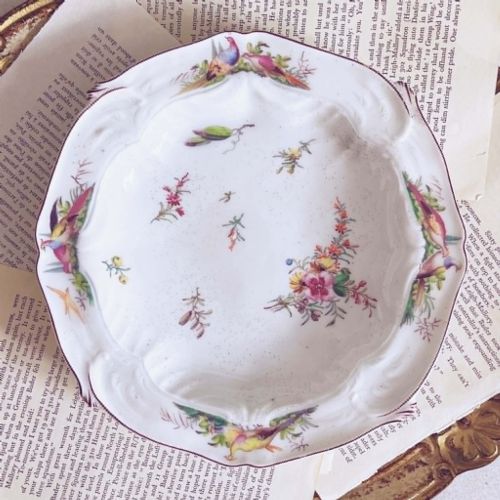
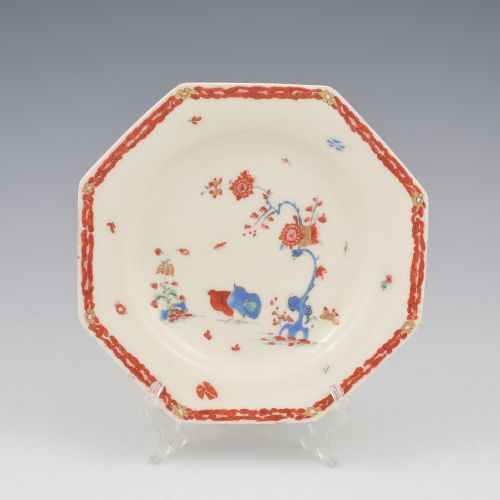
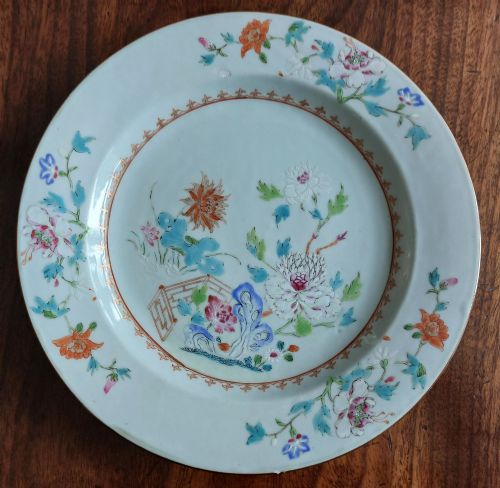
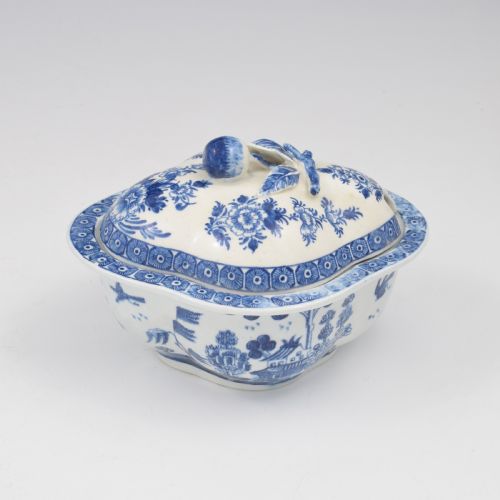
When searching for an 18th century porcelain dish, collectors encounter domestic English factories alongside Chinese Export and European continental kilns. The selection spans utilitarian serving platters, sweetmeat stands, and specialised leaf-shaped pickle dishes designed for Georgian dining tables.
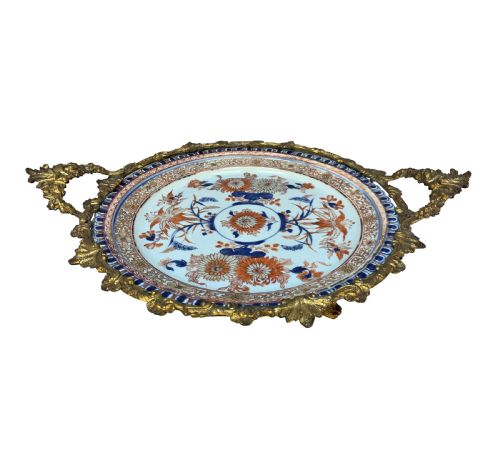
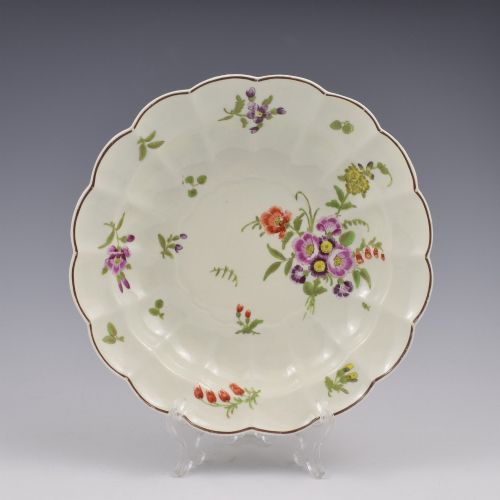
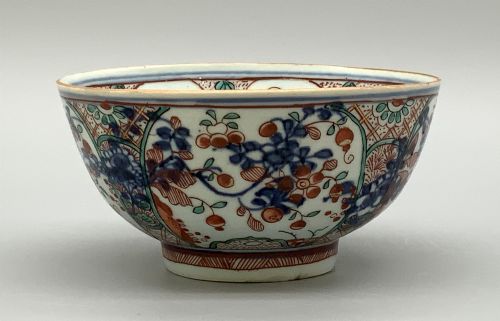
English examples frequently originate from Worcester, Derby, Bow, and Caughley, utilising soft-paste or hard-paste bodies moulded into shells, lobed squares, or fluted circles. Continental houses such as Meissen, Sèvres, and Chantilly contribute painted floral sprays and figural motifs, while Chinese Kangxi and Qianlong pieces display Imari palettes and Famille Rose enamels.
Most pieces date from the mid-to-late 1700s, reflecting neoclassical or rococo influences through handpainted polychrome borders, underglaze blue floral prints, and gilded accents. These domestic and imported wares represent the peak of eighteenth-century ceramic development.
Materials and Technique
Makers shaped these wares using soft-paste or hard-paste porcelain clay bodies, often throwing on a wheel or pressing into carved plaster moulds to achieve complex leaf and shell geometries. Glaze was subsequently applied by dipping or brushing before high-temperature firing fused the vitreous surface.
Decoration relied on handpainted polychrome enamels, underglaze cobalt blue pigments, and applied gold leaf details that required secondary low-temperature kilns to fix the colours. Specialised moulding techniques produced ribbed, scalloped, and chamfered edges characteristic of the period.
18th Century Porcelain Dish Retail Price Guide 2026
Typical asking prices for 18th century porcelain dish among the pieces listed under this phrase on Sellingantiques today, from the lower quarter to the upper quarter. They describe what is for sale here now, not the wider market.
Listings feature porcelain dishes from eighteenth-century English, French, German, and Chinese kilns, spanning hard-paste and soft-paste bodies.
Standards of Execution
Superior execution reveals itself in the crispness of moulded relief details, such as the veins on a leaf dish or the fluting on a scalloped edge, where skilled artisans maintained sharpness despite kiln shrinkage. Painted decoration on premier pieces shows confident brushwork, precise pigment saturation, and careful placement within the glazed borders.
The choice of paste and glaze maturity also dictates standing, with finer bodies displaying a smooth, milky translucency and minimal surface pitting. Master factories achieved balanced compositions and stable firings that avoided warping, distinguishing exhibition-grade tablewares from everyday domestic utility pieces.
Meissen·Caughley·Worcester·Derby·Chelsea·Sèvres·Bow·New Hall·Furstenberg·Doccia
The 18th Century Porcelain Dish Glossary
- Soft-paste porcelain
- A glassy ceramic composition fired at lower temperatures than hard-paste, characterised by a warm translucent body and a softer glaze that accepts enamels deeply. It was widely developed by eighteenth-century English factories lacking native deposits of kaolin.
- Pickle dish
- A small, specialised serving vessel shaped like a leaf, shell, or fan, used at Georgian dining tables for condiments and relishes. These items frequently feature moulded botanical details and underglaze blue printing.
- Famille Rose
- A palette of opaque rose-pink enamel colours introduced to Chinese export porcelain during the Qing dynasty. The technique allowed for subtle tonal gradations in painted floral and figural scenes.
- Imari
- A decorative style originating in Japan and copied by European and Chinese kilns, defined by contrasting underglaze blue, iron red, and gold leaf. The patterns typically feature stylized chrysanthemums and geometric panel layouts.
- Glaze
- A glassy silicate coating fused to the ceramic body during firing to render the vessel impervious to liquids. Eighteenth-century formulations often pool with a characteristic greenish or bluish tint in recessed areas.
18th Century Porcelain Dish: Frequently Asked Questions
How do I identify a Dr Wall Worcester piece?
Dr Wall period Worcester porcelain is identified by characteristic soft-paste bodies, delicate underglaze blue transfer prints or handpainted polychrome birds, and early crescent or square fret marks.
These eighteenth-century items often exhibit careful potting with clear, bright glazes that display characteristic pooling in foot rims and crevices.
What is Chinese Export porcelain?
Chinese Export porcelain comprises wares made in China specifically for Western markets during the Qing dynasty, adapting European forms and heraldic designs.
These pieces combine traditional Chinese ceramic techniques with Western dining shapes like platters, chargers, and dinner plates.
How should I display an 18th century dish?
Displaying these antique dishes requires secure wall hangers or stable plate stands designed to support shallow trays and bowls without exerting pressure on delicate rims.
Keep pieces away from direct sunlight and areas of high foot traffic to protect the handpainted enamels and gilded surfaces from accidental damage.
What distinguishes soft-paste from hard-paste?
Soft-paste porcelain contains glass frit and white clay, resulting in a warmer, slightly softer body that shows bright translucency when held to a strong light.
Hard-paste porcelain uses true kaolin and petuntse, producing a denser, vitreous white material that withstands higher kiln temperatures and resists scratching.