


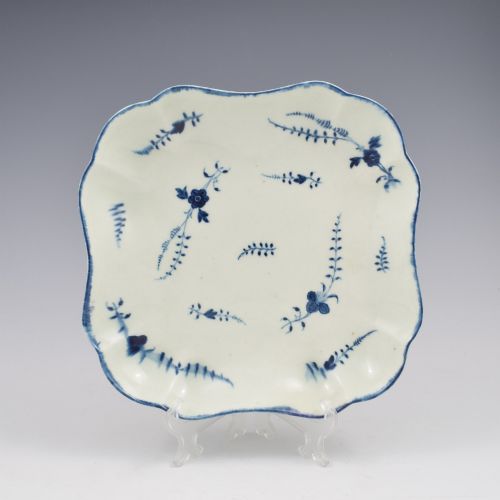
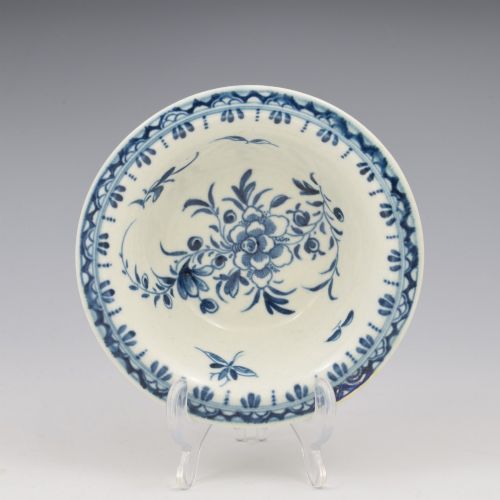
Georgian Ceramic Dish
A georgian ceramic dish brings the refined hand-painted motifs and utilitarian forms of the eighteenth and early nineteenth centuries directly to the table.
Georgian Ceramic Dish
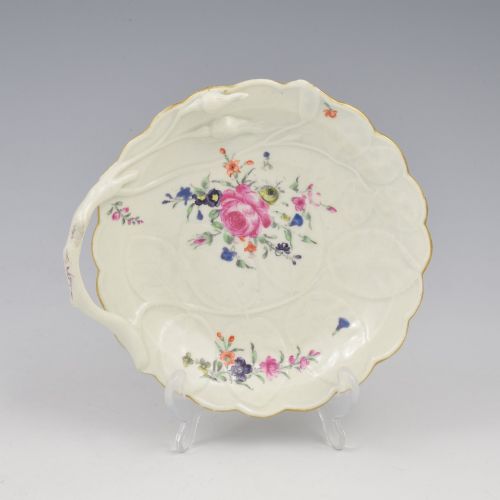
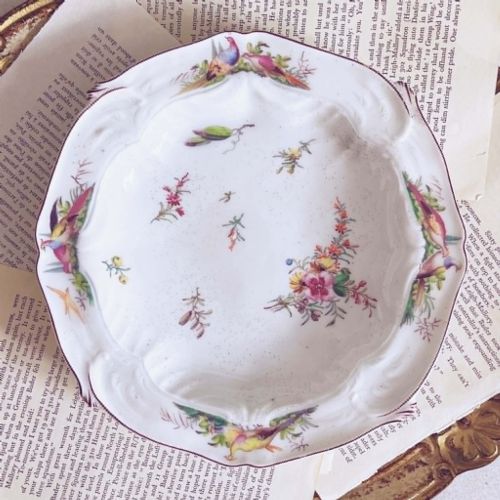
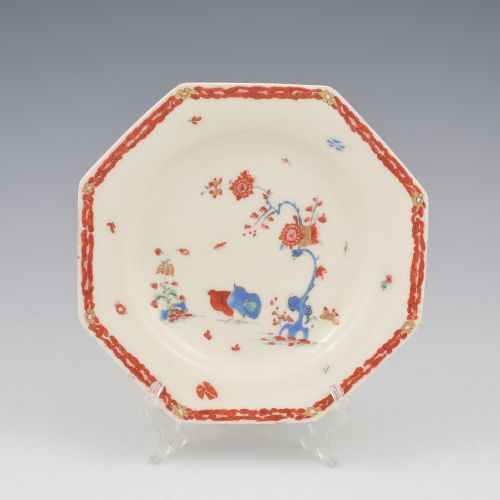
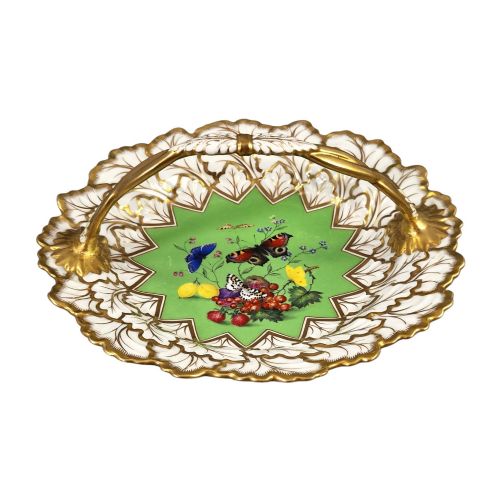
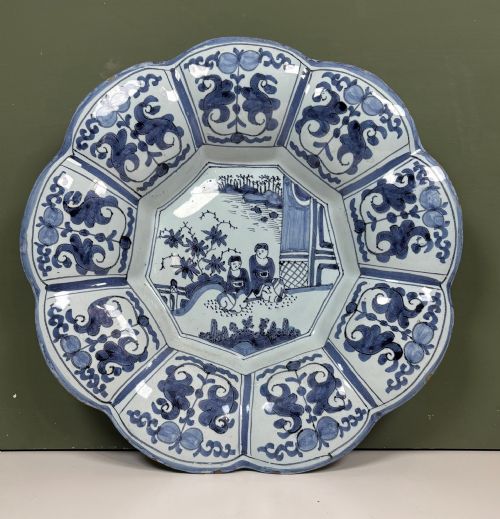
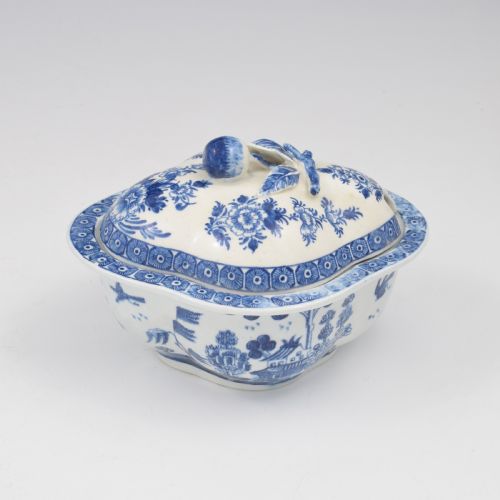
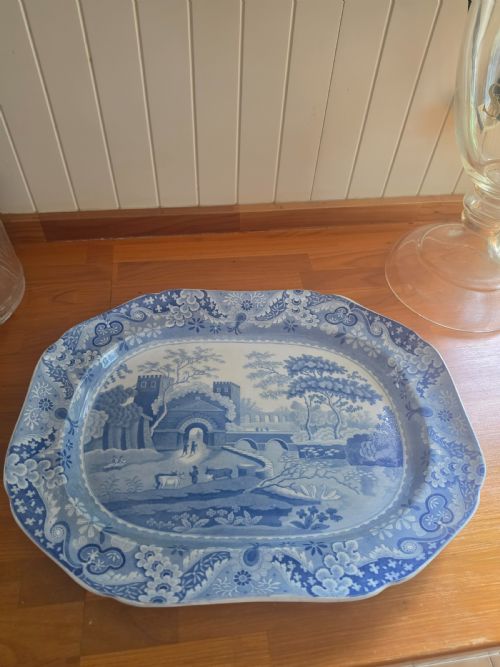
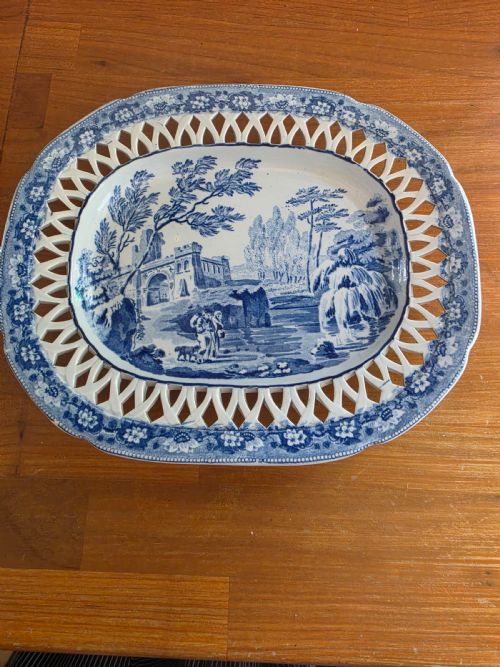
When you search for a georgian ceramic dish, you encounter a diverse selection of serving platters, tureens, dessert dishes, and chargers dating across the eighteenth century and the Regency period. These pieces originate from prominent English factories and potteries, taking forms that served both functional dining roles and decorative display in period interiors.
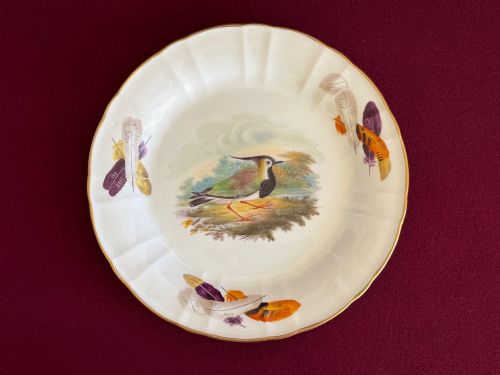
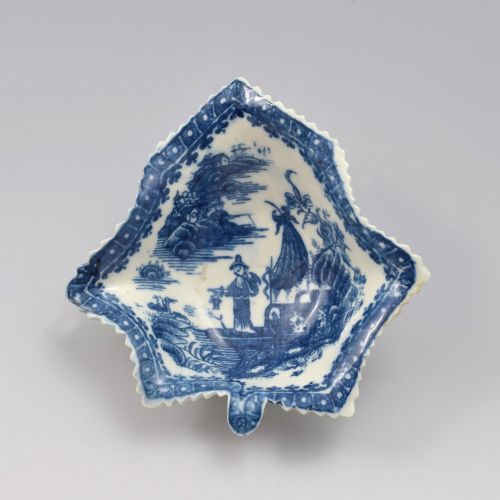
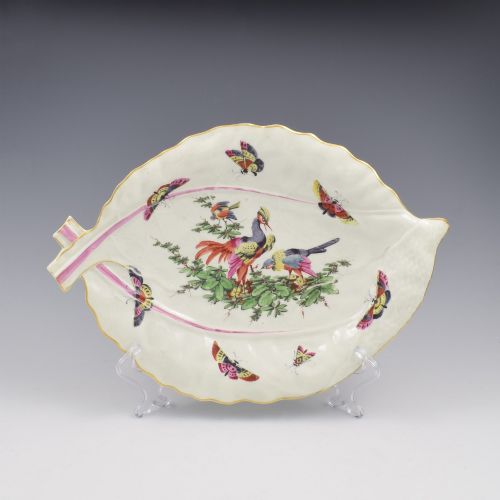
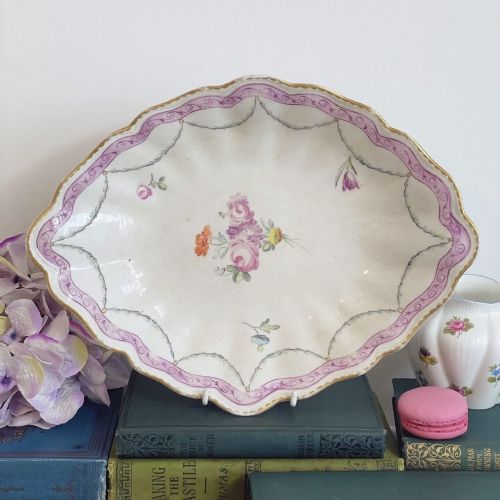
The objects on this page span several material categories, from tin-glazed earthenware and creamware to soft-paste and bone china. Forms range from leaf-shaped pickle dishes and octagonal plates to large meat platters and footed comports, reflecting the evolving dining habits of the Georgian era.
How they were made
Potters shaped these objects using earthenware, soft-paste porcelain, ironstone, and pearlware, applying tin glazes or transparent lead glazes to the clay bodies. Hand-painted polychrome and blue-and-white transfer printing provided the surface decoration, often utilising copper plates to transfer intricate scenes onto the ceramic body.
Many items underwent multiple kiln firings, particularly when gold leaf, gilding, or enamel overglaze painting was added to botanical or figurative designs. Specialised forms like salt-glazed chargers and moulded baskets required precise casting and open-work techniques before glazing.
Listings feature earthenware, soft-paste porcelain, and creamware across the 18th Century, 19th Century, and Regency periods.
What varies in quality
The distinction between tiers of these ceramics rests on the crispness of the moulding and the skill of the hand-painting. Early soft-paste porcelain and creamware pieces with delicate, hand-painted polychrome flora or distinct transfer-printed historical scenes command greater attention than standard utilitarian wares.
Quality also manifests in the complexity of the form itself, such as pierced basketwork, sculptural handles, or scalloped silver shapes. Consistency in the glaze application and the vibrancy of the cobalt blue or enamel colours further separate standard production from exceptional factory output.
Wedgwood·Caughley Porcelain·Derby Porcelain·Chelsea·Flight Barr And Barr·Spode·Davenport·Chamberlains Worcester·Hicks And Meigh·John Rogers And Son·J And R Clews
The Georgian Ceramic Dish Glossary
- Creamware
- A refined earthenware developed in the mid-eighteenth century with a pale yellowish glaze. It became a staple of English dinner services.
- Delftware
- Tin-glazed earthenware produced in England and the Netherlands, typically featuring opaque white surfaces painted in blue or polychrome.
- Transfer printing
- A technique where an engraved copper plate transfers a design onto paper and then onto the ceramic surface before firing. This allowed for detailed pictorial scenes like landscapes and historical narratives.
- Soft-paste porcelain
- An artificial porcelain composition fired at lower temperatures than hard-paste, common in early English factories like Worcester and Bow. It yields a warm, slightly creamy body underneath the glaze.
- Comport
- A footed dish or bowl raised above the table surface, utilised for serving fruit or sweets during dessert courses.
Georgian Ceramic Dish: Frequently Asked Questions
What were georgian ceramic dishes used for?
These pieces fulfilled practical dining functions, holding meats, soups, sauces, and sweet desserts during formal multi-course meals. Chargers and platters anchored the table service, while specialised vessels like pickle dishes and chestnut baskets served specific side courses.
Beyond the dining table, many of these decorated plates and comports functioned as cabinet pieces or ornamental displays in wealthy households. Their painted botanical scenes and armorial motifs allowed hosts to signal taste and social standing.
Can I use these antique dishes for food?
Using eighteenth and early nineteenth-century ceramics for daily dining requires caution due to potential glaze degradation and historical manufacturing materials. Many collectors prefer to reserve these items for display rather than active service.
Handwashing in warm water without harsh detergents is essential if you choose to use them, as modern dishwashers can damage soft glazes and delicate overglaze gilding.
How can I tell First Period Worcester from later wares?
First Period Worcester porcelain, produced under the direction of Dr Wall, often exhibits characteristic body flaws, unglazed foot rims, and distinct crescent or worker marks. The painting on these pieces tends to be fine and controlled, featuring cobalt blue florals or exotic bird patterns.
Later nineteenth-century Worcester output from factories like Flight, Barr and Barr or Chamberlains displays whiter bodies, refined porcelain pastes, and more complex gilt decoration reflecting Regency tastes.