
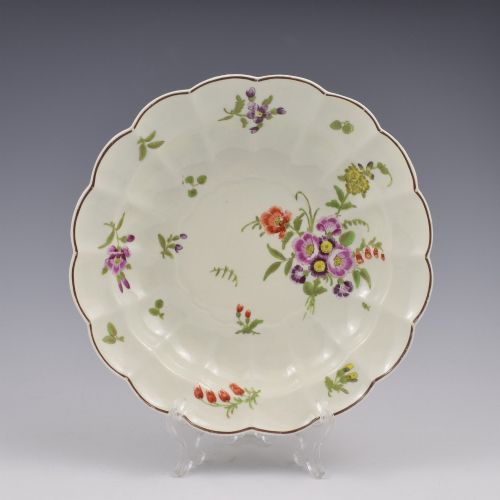
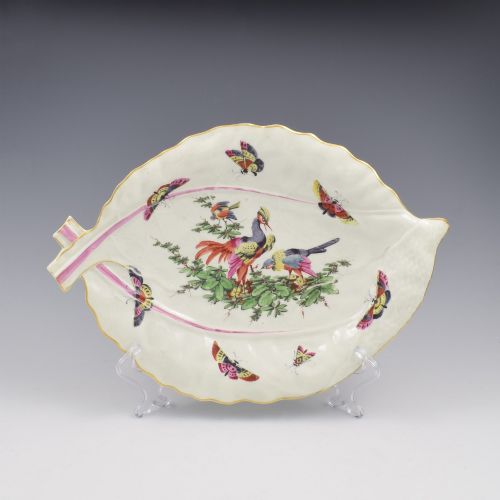
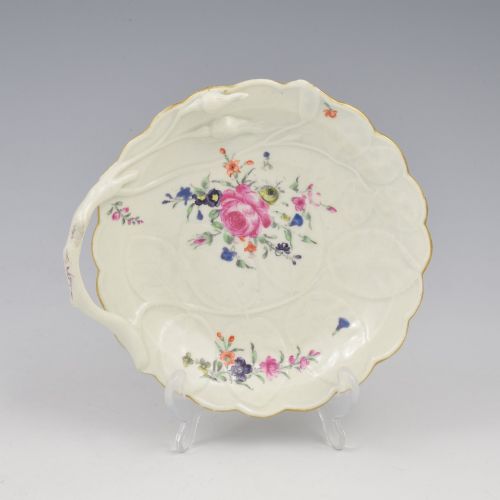
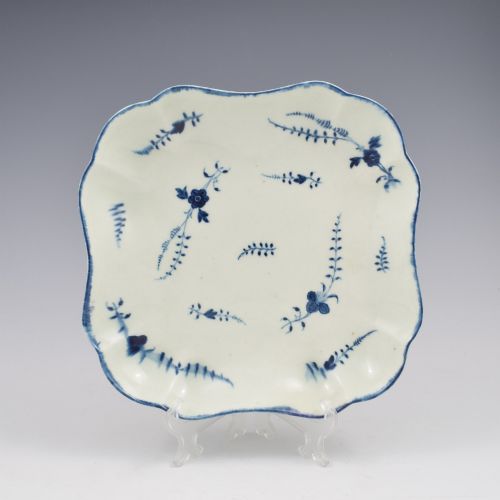
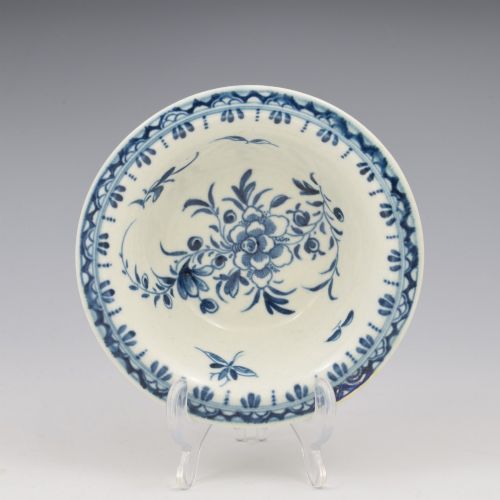
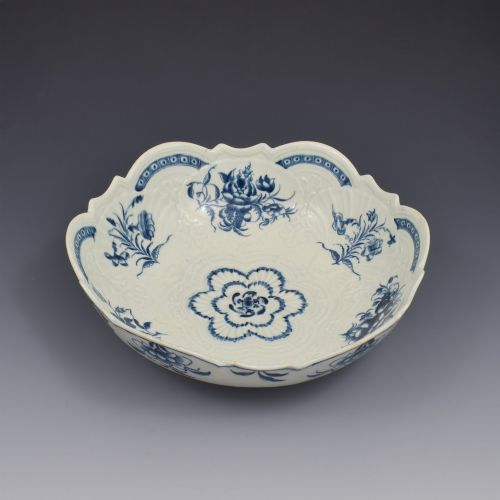
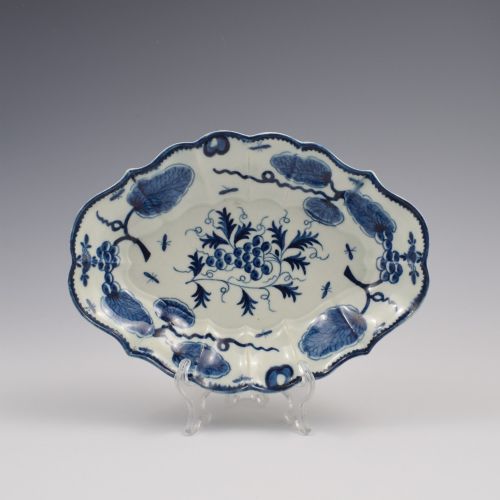
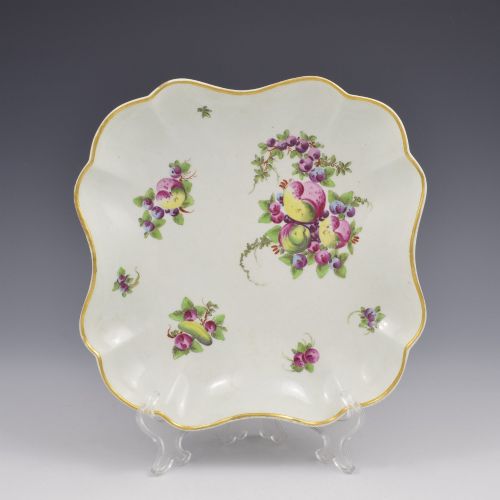


First Period Worcester Dish
A first period worcester dish brings eighteenth century porcelain artistry to the table through delicate hand-painted motifs and soft-paste ceramic bodies.
Understanding First Period Worcester Dishes
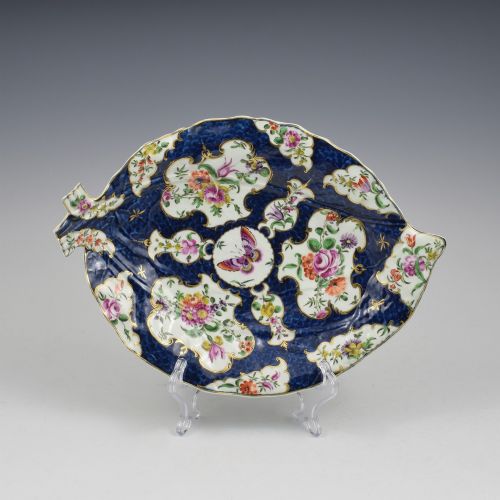
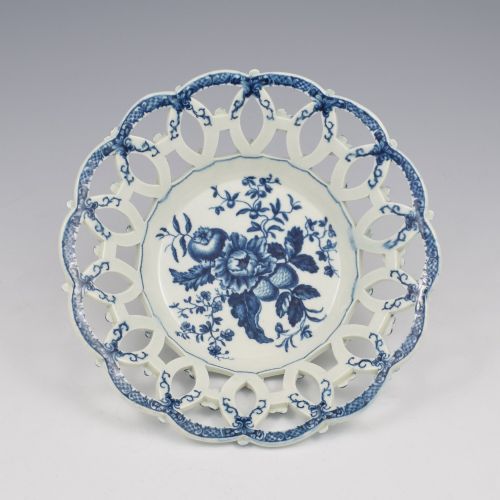
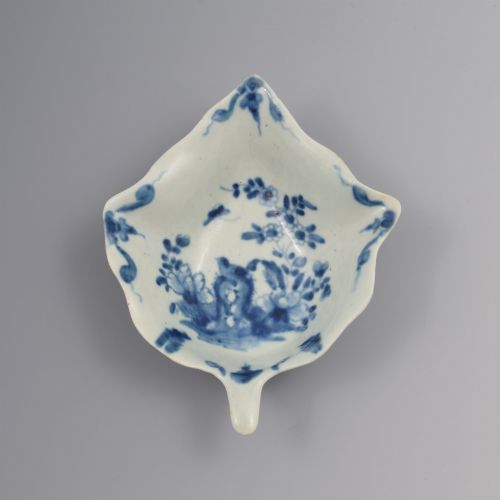
A first period worcester dish represents eighteenth century English porcelain at its most inventive, spanning dessert services, pickle dishes, and table service pieces. These eighteenth century objects include leaf shapes, square dessert dishes, lobed plates, and kidney-shaped compotiers produced during the Georgian era.
Collectors encountering this phrase typically find soft-paste porcelain decorated with scale blue grounds, botanical studies, transfer-printed river scenes, and detailed bird patterns. Forms range from small leaf-moulded pickle dishes to large dessert plates and sweetmeat dishes intended for fashionable dining.
Materials and Techniques
Potters shaped soft-paste porcelain into intricate leaf moulds, lobed profiles, and geometric forms before applying transparent glaze and polychrome enamel colours. Artisans also utilised transfer printing, notably Hancock printed river scenes, alongside rich gilding and underglaze blue decoration.
The firing process bonded enamel colours and gilding to the glazed ceramic body, creating the characteristic surface textures seen on scale blue grounds and painted bird patterns.
Retail Price Guide 2026
Typical UK retail prices for first period worcester dish, calculated from the Sellingantiques database of over a million retail prices indexed since 2003. This retail price guide relies exclusively on Sellingantiques data; no external sources or auction records are used, so the figures do not describe the wider market.
All listed pieces belong to the eighteenth century, utilising soft-paste porcelain, enamel, glaze, and gilding across tableware and decorative dessert dishes.
Distinctions in Quality
Excellence in these dishes rests on the crispness of the moulded forms, particularly leaf veins and shell ridges, combined with the precision of the hand-painting. Superior examples display vibrant enamel palettes, rich wet blue or scale blue grounds, and meticulously rendered subjects like fancy birds or botanical plant studies.
The sophistication of the decorating hand, whether employing James Giles style painting or delicate floral sprays, separates standard production from exceptional archival pieces.
Dr Wall·James Giles·Hancock
The First Period Worcester Dish Glossary
- Soft-paste Porcelain
- A ceramic composition of clay, glass, and frit fired at lower temperatures than hard-paste porcelain, creating a warm, translucent body typical of eighteenth century English factories.
- Scale Blue
- A dark underglaze blue pattern resembling fish scales applied in overlapping rows, frequently reserved with shaped compartments containing painted flowers or birds.
- Pickle Dish
- A small, often leaf-moulded tableware item used in eighteenth century dining for condiments and pickles.
- Compotier
- A decorative dish or shallow bowl designed to hold fruit or sweetmeats as part of a formal dessert service.
- Wet Blue
- An even, dark underglaze blue ground colour applied as a solid field across the porcelain surface.
Frequently Asked Questions
How were these dishes used originally?
These dishes served aristocratic and prosperous Georgian dining tables for sweetmeats, desserts, fruit courses, and condiments. Pickle dishes held small relishes, while larger dessert dishes formed part of grand coordinated table services.
As dining habits evolved, their role shifted from active utility to display, prized for their artistic execution and connection to eighteenth century social rituals.
What motifs appear on these pieces?
Decoration ranges from scale blue grounds and exotic birds to botanical studies such as the rubber tree plant and vine leaves. Transfer-printed river scenes and Sevres style panels also feature prominently.
Painters drew inspiration from natural history, Chinese export porcelain, and contemporary European ceramic design to adorn the porcelain surfaces.
How do I identify a piece from this period?
Identification relies on recognising soft-paste porcelain bodies, typical eighteenth century forms like leaf dishes and lozenge compotiers, and characteristic decoration such as wet blue or scale blue grounds. The weight, glaze pooling, and painting style provide key indicators.
Comparing examples against documented archive pieces helps confirm the Georgian era origin and factory attribution.
How should I display a dish at home?
Displaying these porcelain pieces safely involves using stable plate stands within secure cabinets protected from direct sunlight and heavy foot traffic. Proper lighting highlights the delicate enamel colours and gilt highlights without risking thermal damage.
Keeping them away from high-vibration areas ensures these fragile eighteenth century objects remain secure.