



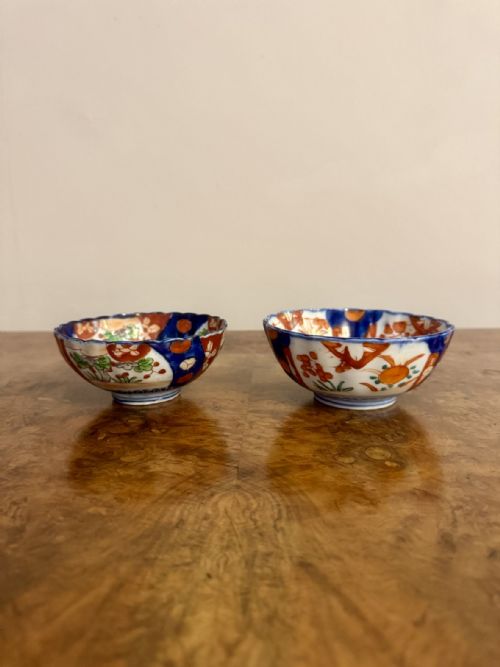
Underglaze Blue Ceramic Dish
An underglaze blue ceramic dish brings centuries of kiln mastery to your table, offering durable cobalt patterns beneath a clear glaze that hold their brilliance forever.
Underglaze Blue Ceramic Dish
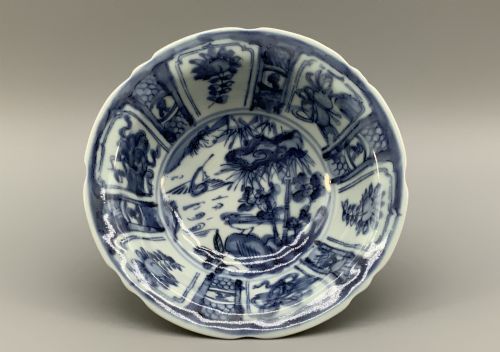
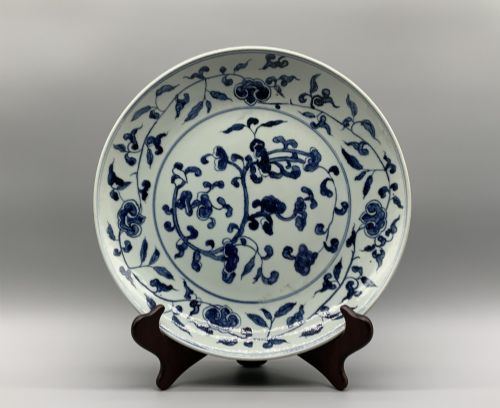
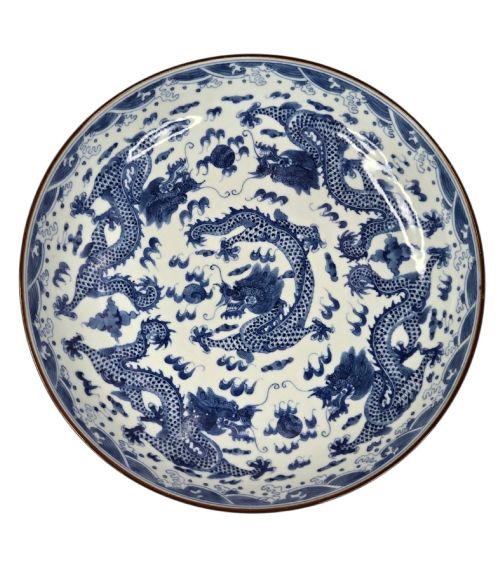
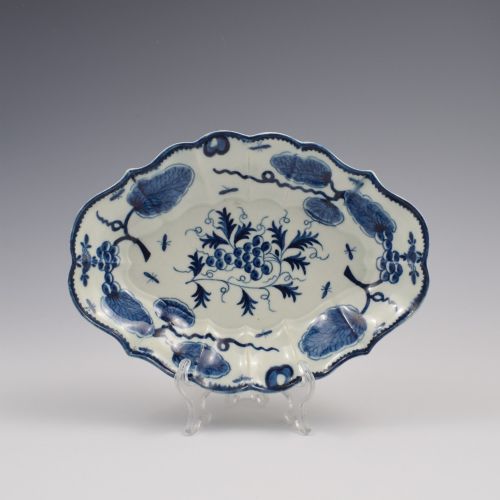
When you search for an underglaze blue ceramic dish, you encounter centuries of historic kiln production originating from China, Japan, and Britain. These pieces range from deep saucer-dishes and scalloped plates to large chargers and decorative platters made for domestic use or export.
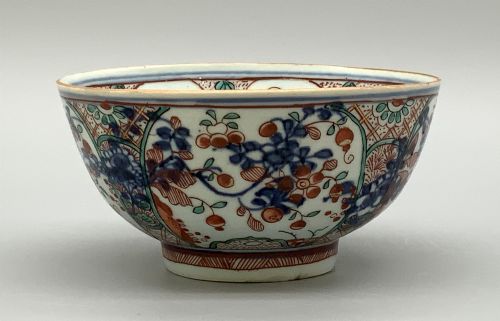
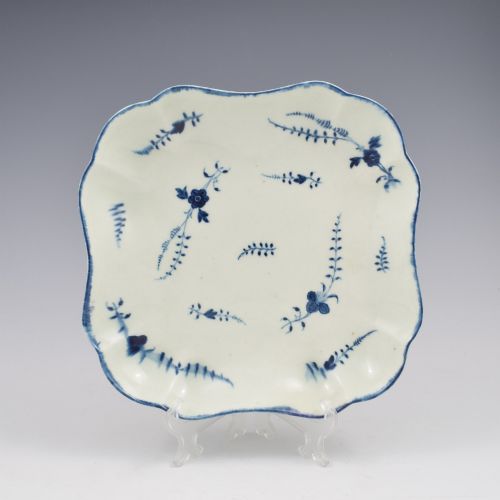
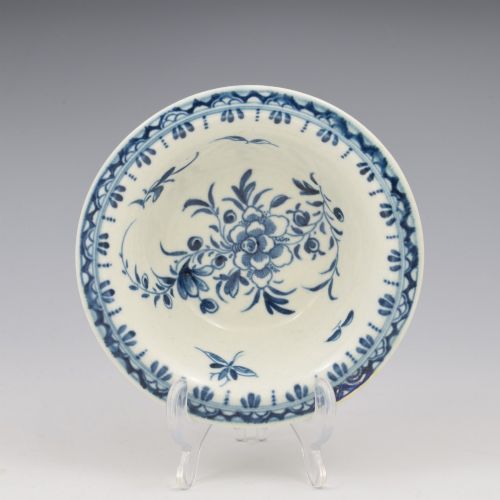
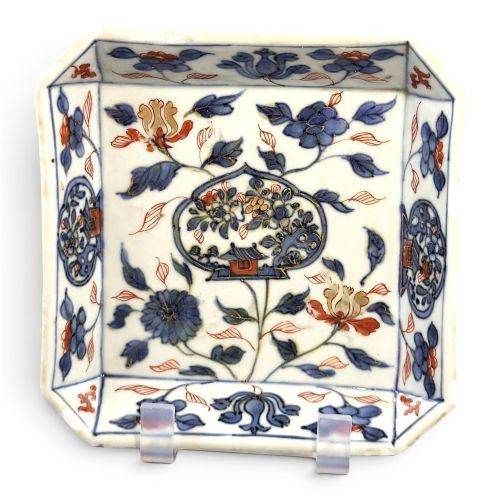
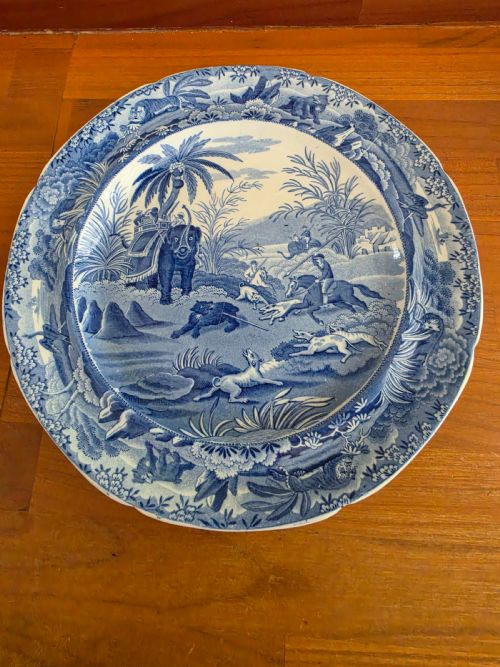
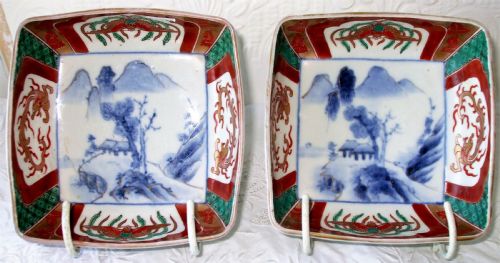
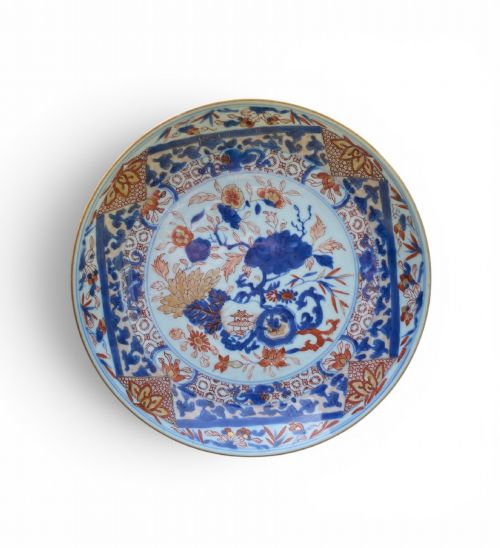
The versions you meet most frequently on this page span the 17th, 18th, and 19th centuries, alongside later pieces from the 1900 period. They include Chinese Export wares, Japanese Imari and Arita productions, Qing and Ming dynasty items, and English creations from factories such as Worcester and Spode.
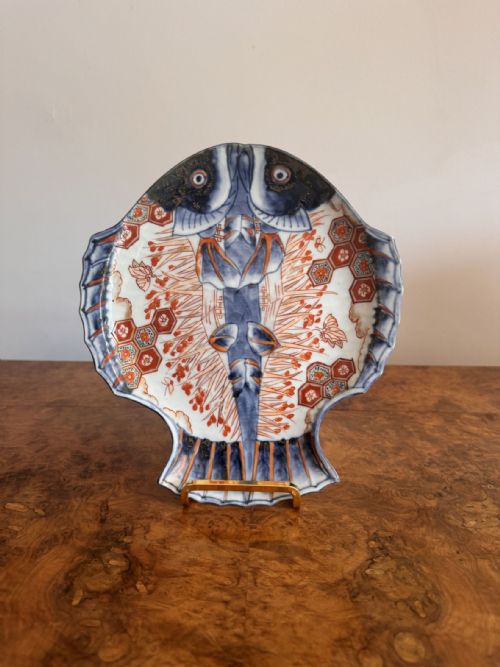
Forms vary from traditional round plates and hexagonal shapes to fish-form platters, leaf dishes, and deep bowls. Each object displays the characteristic cobalt decoration applied directly to the clay body before the final glazing and firing process.
Materials and Techniques
Potters constructed these items primarily from porcelain, soft-paste porcelain, and fine ceramic bodies. They applied cobalt pigment or cobalt glaze directly onto the raw clay before coating the vessel in a transparent glaze and firing the piece at high temperatures.
Selected works incorporate additional details such as enamel or gold leaf applied over the glaze after the initial high-firing. This combination of mineral pigments and vitreous coatings ensured that the cobalt designs remained protected beneath a glossy surface.
Materials represented in the inventory include porcelain, soft-paste porcelain, cobalt glaze, enamel, and gold leaf.
Standards of Execution
Differentiation across the range rests on the precision of the cobalt painting and the clarity of the underlying porcelain body. Master painters achieved fluid lines and subtle tonal gradations in subjects such as dragons, cranes, and floral sprays, whereas lesser pieces display hurried brushwork.
The refinement of the ceramic body also dictates the tier of the piece, distinguishing thin, translucent porcelain forms from heavier, coarser domestic wares. Furthermore, the crispness of moulded edges on scalloped, hexagonal, or leaf-shaped dishes separates standard production from exceptional examples.
Spode factory
The Underglaze Blue Ceramic Dish Glossary
- Underglaze
- A decoration technique where pigment is applied to the raw or bisque ceramic body before the glaze is added and fired. This protects the design beneath a vitreous layer.
- Cobalt
- A mineral oxide used by potters to produce the deep blue colour seen on historic ceramics. It withstands the extreme heat required for porcelain firing without losing its intensity.
- Imari
- A style of Japanese export porcelain originating from Arita, characterised by a palette of underglaze blue, iron red, and gold. Artisans produced these wares extensively for international markets.
- Soft-paste porcelain
- A ceramic composition made from white clay mixed with ground glass and other materials rather than true china clay. It fired at lower temperatures and produced a warm, slightly creamy surface.
- Charger
- A large decorative plate or platter used historically for serving food or display on a sideboard. These substantial pieces often showcase the most ambitious painted designs.
Underglaze Blue Ceramic Dish: Frequently Asked Questions
Were these dishes used for dining?
Many of these vessels served practical functions at the dining table, holding meats, sauces, pickles, or desserts during formal meals. Smaller dishes and pickle leaves accommodated condiments, while larger chargers presented main courses.
Over time, owners transitioned finer examples to cabinet display or wall mounting to protect the painted surfaces from cutlery wear and daily handling.
How can I tell Chinese export from Japanese Imari?
Chinese export porcelain typically relies on pure cobalt blue underglaze painting or specific enamel palettes developed during dynasties like the Kangxi and Qing periods. The paste often exhibits a fine, dense white structure.
Japanese Imari wares frequently incorporate a distinct combination of underglaze cobalt blue alongside contrasting iron red and gold leaf highlights, often featuring thick, slightly granular porcelain bodies.
What does First Period Worcester mean?
This term refers to the earliest phase of the Worcester porcelain factory, operating under the direction of Dr John Wall during the eighteenth century. Pieces from this era are celebrated for their soft-paste bodies and delicate botanical or bird patterns.
Collectors prize these items for their technical refinement and the subtle painterly quality of their underglaze blue transfers and hand-painted motifs.