


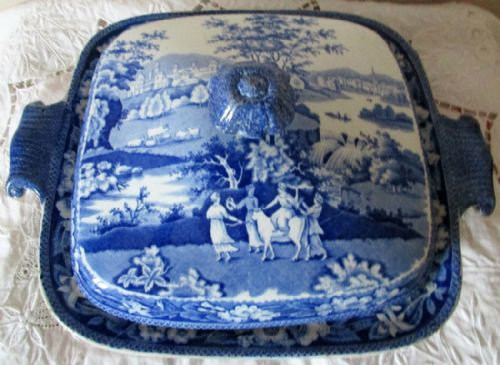
Georgian Pearlware Pottery
Georgian pearlware pottery brings refined earthenware utility and crisp blue-and-white transfer printing to a table.
What these pieces are
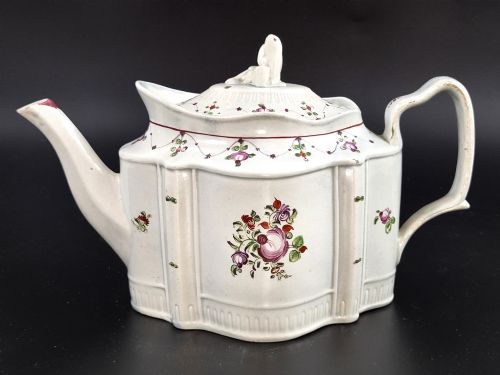
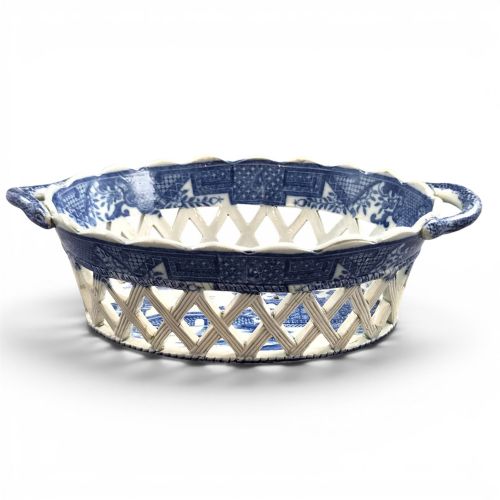
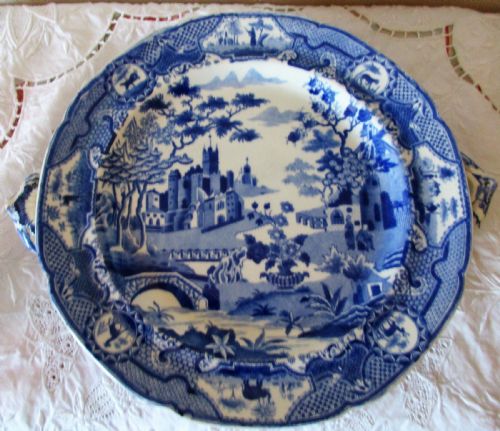
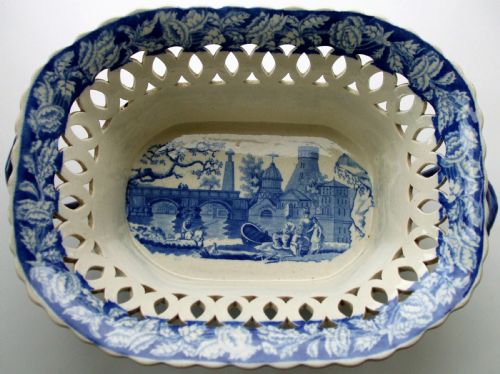
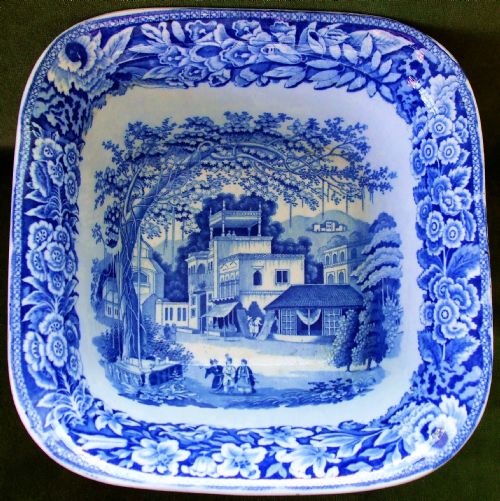
Georgian pearlware pottery covers tableware and display pieces produced during the late eighteenth century and around eighteen hundred. The selection here includes plates, mugs, comports, and miniature tea sets reflecting domestic life of the period.
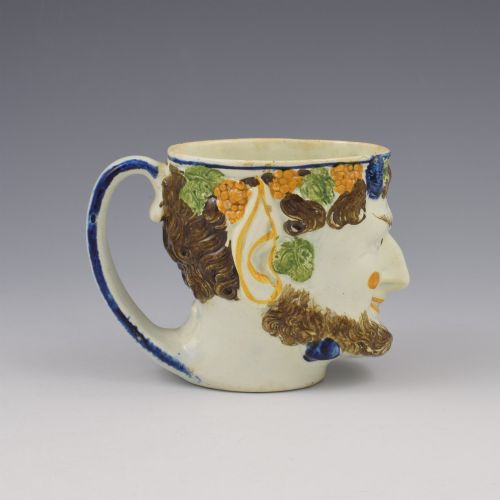
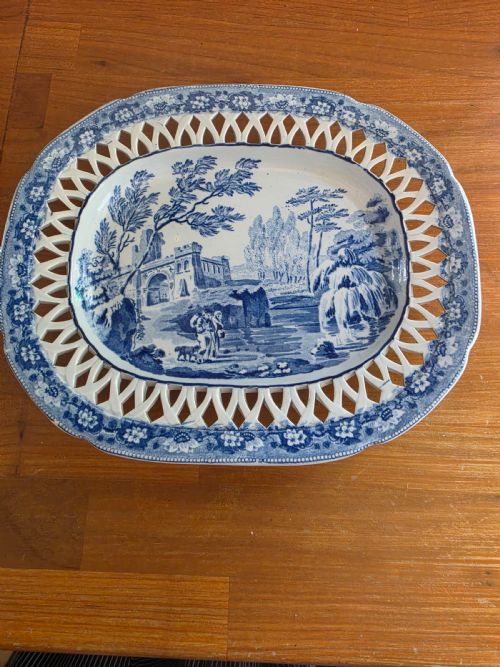
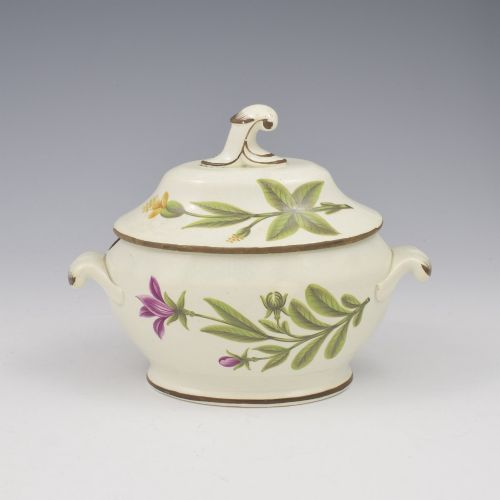
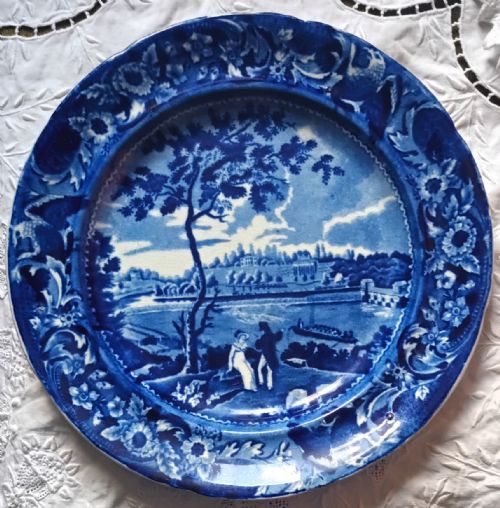
The common forms meeting a buyer on this page range from feather-edged plates to moulded satyr mugs and toy tea sets decorated with bat-printed designs. These earthenware items capture the shift from creamware to whiter ceramic bodies achieved by Staffordshire and Yorkshire potteries.
How they were made
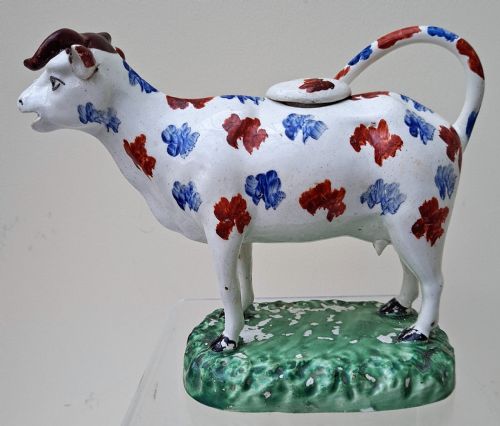
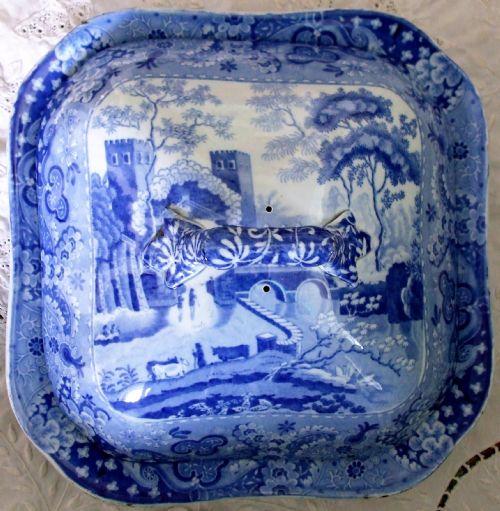
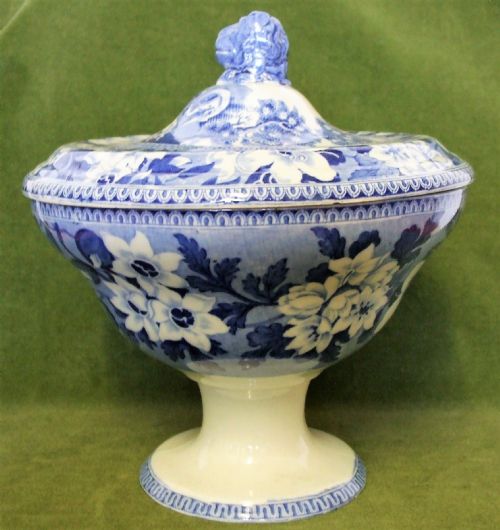
Potters shaped these objects from earthenware bodies, applying a fine glaze that pooled slightly blue in crevices to create the signature pearlware colour. Staffordshire and regional workshops utilised transfer printing and hand painting with blue pigments.
Moulding techniques produced figural vessels like the Bacchus satyr mug, while plates received impressed or feather-edged borders alongside painted central motifs such as the peafowl pattern.
Retail Price Guide 2026
Typical UK retail prices for georgian pearlware pottery, calculated from the Sellingantiques database of over a million retail prices indexed since 2003. This retail price guide relies exclusively on Sellingantiques data; no external sources or auction records are used, so the figures do not describe the wider market.
The site listings feature earthenware objects spanning the eighteenth century and the year eighteen hundred, including Yorkshire and Staffordshire wares.
What varies in quality
Quality rests in the crispness of the transfer print and the control of the blue glaze pooling in the recessed parts of the ceramic body. Pieces with sharply defined moulded details or hand-painted feather edging stand apart from simpler utilitarian wares.
The refinement of the earthenware body and the complexity of the decoration, such as the Adam Buck transfer designs on miniature tea sets, separate standard domestic output from more ambitious workshop pieces.
The Georgian Pearlware Pottery Glossary
- Pearlware
- A refined earthenware developed in the late eighteenth century with a slightly bluish glaze designed to mimic Chinese porcelain.
- Transfer printing
- A method of applying detailed designs to ceramics using an engraved copper plate and thin paper tissue.
- Feather edge
- A painted or impressed border decoration resembling a bird feather, commonly found on plates.
- Comport
- A raised dish or bowl used for serving fruit or sweetmeats on the dining table.
- Bat printing
- A delicate stipple engraving technique using a glue bat to transfer oil onto the ceramic before dusting with colour.
Frequently Asked Questions
How do I date these ceramics?
Dating relies on stylistic markers, manufacturing techniques, and the characteristic blue tint of the glaze. Pieces from this era typically date from the late eighteenth century to around eighteen hundred.
Mould styles, transfer print subjects, and edge treatments provide further clues for placing items within the Georgian timeline.
Were toy tea sets used?
Miniature tea sets served as toys for children or as salesman samples for demonstrating pottery patterns to prospective buyers. They replicate full-sized tea services in every detail.
Potters used the same earthenware bodies and transfer printing methods for these miniature items as they did for standard domestic wares.
How should I clean pearlware?
These antique ceramics require gentle hand washing in lukewarm water using mild detergent. Avoid harsh scrubbers and automatic dishwashers to protect the historic glaze and ironstone body.
Careful handling preserves the painted decoration and transfer printed details found on plates and mugs.