


English Pearlware Ceramics
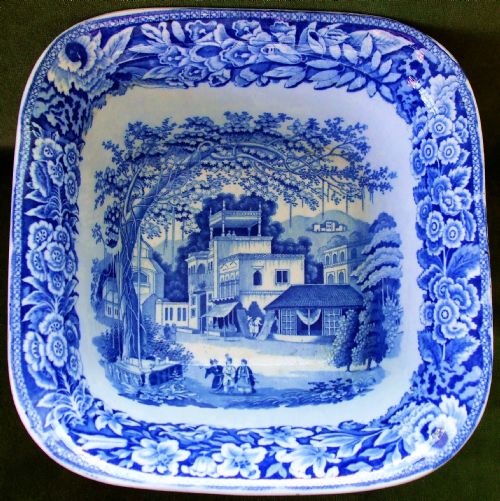
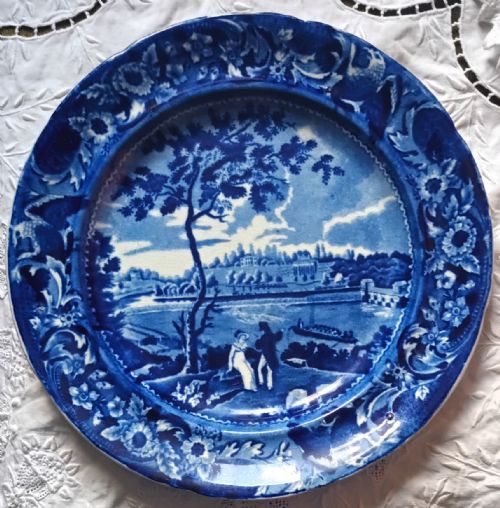
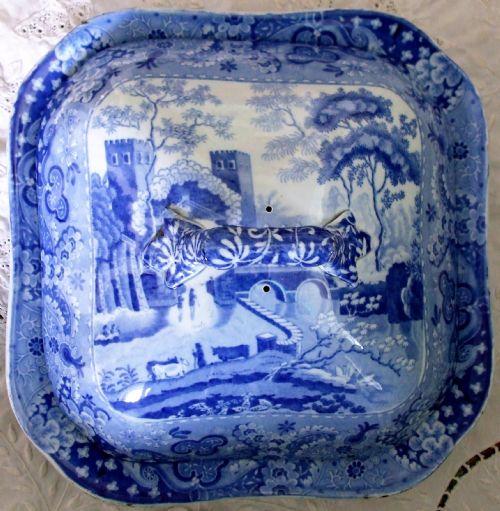
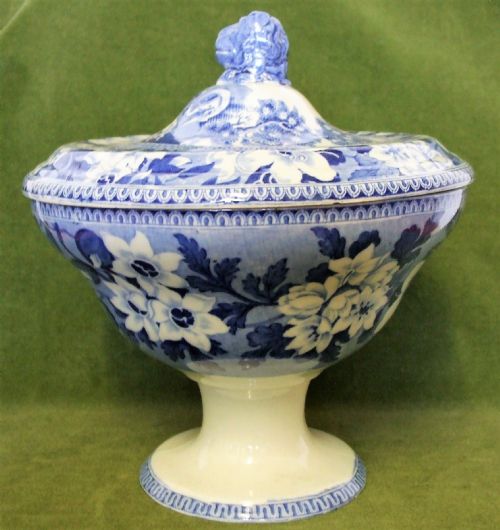
English pearlware ceramics are refined earthenware pieces carrying cobalt blue transfer prints, enamel highlights, and distinctive glaze pools that define early nineteenth-century tables.
English Pearlware Ceramics
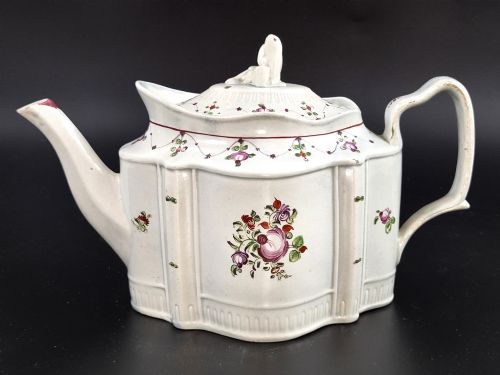
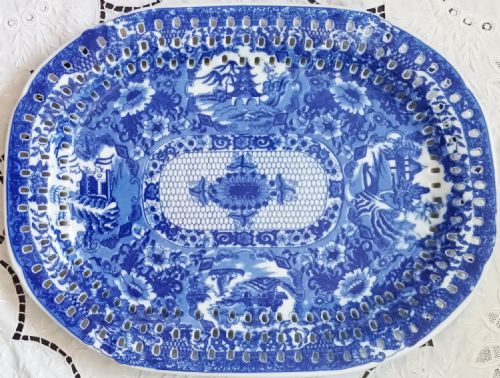
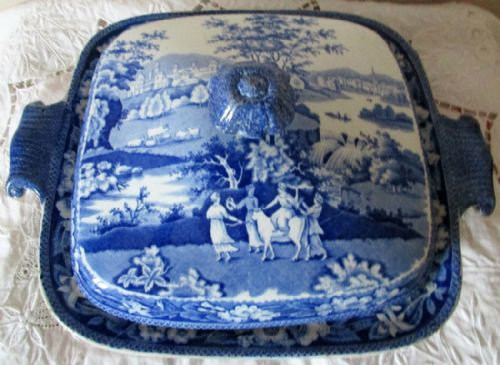
English pearlware ceramics encompass a diverse range of domestic and decorative objects produced primarily during the Georgian and Regency periods. Collectors searching for english pearlware ceramics encounter everything from utilitarian tableware such as plates, tureens, and serving dishes to ornamental figures and jugs.
The material bridges the gap between creamware and later white earthenwares. Most pieces found on this page display characteristic blue and white transfer printing, hand-painted polychrome details, or lustrous metallic finishes.
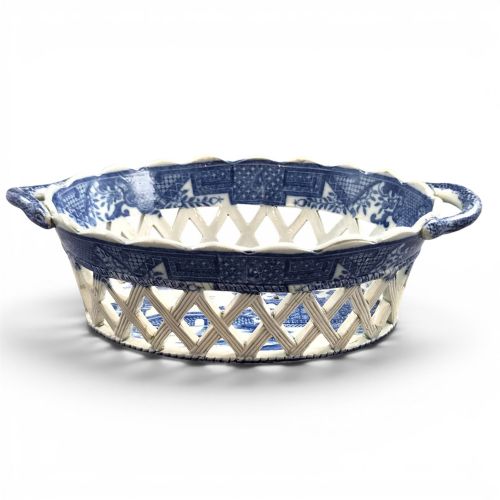
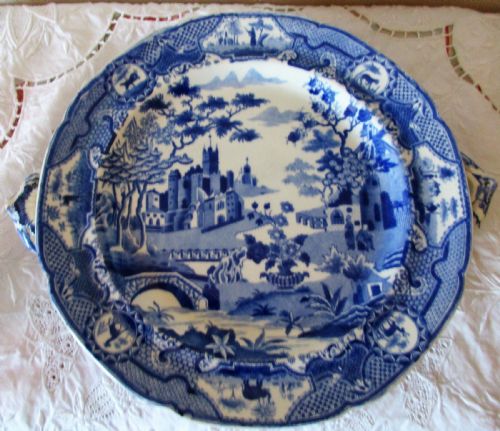
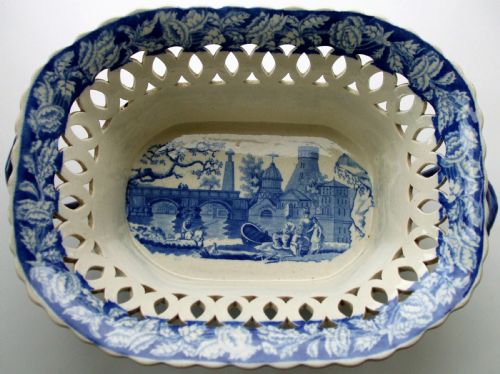
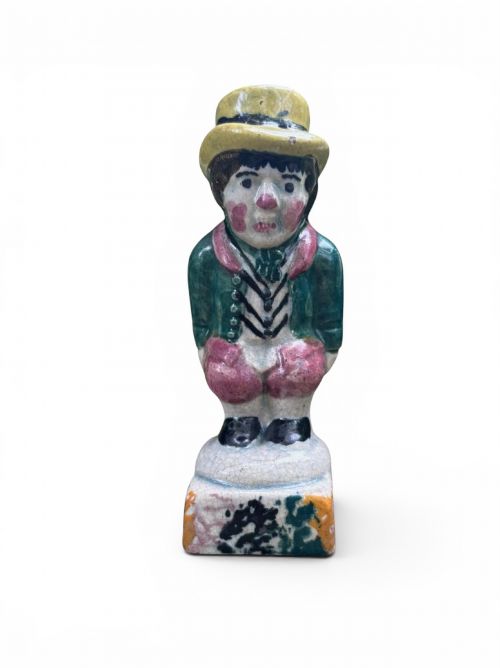
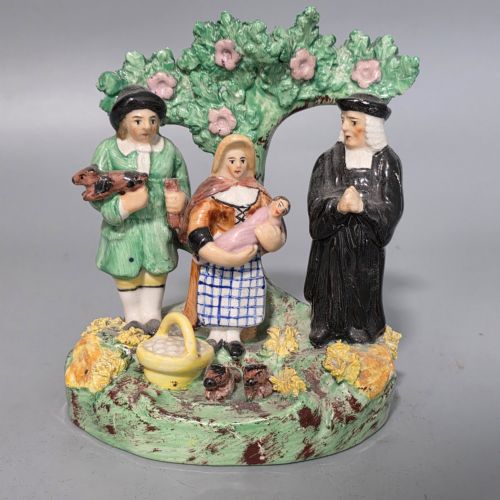
Forms span large chargers, chestnut baskets, and frog mugs alongside sculptural figures and portrait busts. These items originate from various English potteries operating around the turn of the nineteenth century.
How They Were Made
Potters produced these objects using refined earthenware bodies coated in a thin, slightly blued lead glaze that settled pooled and pools of colour in crevices to create a pearly appearance. Artisans applied decoration through hand painting with enamel colours or by transferring copper-plate engravings onto the unfired surface.
Many items incorporate moulded relief details, such as cabbage leaf patterns or wickerwork on baskets, before receiving their final glazing and firing. Cobalt glaze and gold leaf occasionally accent the designs, particularly on Sunderland lustre jugs and commemorative pieces.
Ceramic frogs lurk at the bottom of nineteenth-century mugs, waiting to startle thirsty drinkers.
What Varies in Quality
Quality rests upon the crispness of the transfer print and the control shown in hand-painted enamel highlights. Pieces with clean lines and register alignment display superior workshop execution.
The subtlety of the pearl glaze determines visual depth, where an even application without heavy pooling enhances the underlying modelled details. Strong sculptural definition in figures and baskets separates standard production from finer work.
Spode·J. and R. Clews·J. and R. Riley·Stubbs·John Rogers and Son·Sewell·William Adam
The English Pearlware Ceramics Glossary
- Pearlware
- A refined earthenware developed to rival porcelain, featuring a glaze with a subtle blue tint. This material succeeded creamware in English potteries around the late eighteenth century.
- Transfer printing
- A decoration technique using a copperplate engraving to transfer ink onto paper and then onto ceramic surfaces. This method allowed intricate patterns like chinoiserie and gothic scenes to be mass-produced with consistency.
- Lustreware
- Pottery finished with a metallic glaze that creates an iridescent sheen. Sunderland and other northern potteries utilised this technique for jugs and commemorative pieces.
- Frog mug
- A large drinking vessel featuring a ceramic frog moulded inside the base. These humorous mugs appeared frequently in early nineteenth-century taverns.
- Chestnut basket
- An openwork ceramic vessel designed for serving fruit or chestnuts at the dining table. They often include matching pierced trays or undertrays.
English Pearlware Ceramics: Frequently Asked Questions
What is pearlware?
Pearlware is an earthenware body developed by English potters to achieve a whiter finish than earlier creamware. A small amount of cobalt added to the lead glaze produces a subtle bluish tinge that pools in recesses.
This material served as the primary canvas for the blue and white transfer-printed designs popular during the Georgian and Regency eras.
How do I date pearlware?
Dating relies on stylistic clues, ceramic shapes, and the tint of the glaze. Earlier pieces from the late eighteenth century tend to have a deeper blue glaze pooling, while nineteenth-century examples move toward whiter grounds.
Maker marks, registration details, and specific transfer patterns also help narrow down the production period to a specific decade.
What are frog mugs used for?
Frog mugs were novelty drinking vessels used in English taverns and homes during the early nineteenth century. As the drinker finished their beverage, a small ceramic frog hidden inside appeared as a surprise.
Many examples feature personalised names, dates, or patriotic verses alongside transfer-printed or hand-painted decorations.
How do I care for antique pearlware?
Antique pearlware requires gentle handling and should be washed by hand in warm water with mild soap. Avoid automatic dishwashers and harsh scrubbers that can damage the historical glaze and enamel decorations.
Display pieces away from direct sunlight and sudden temperature changes to protect the ceramic body and surface finish.