


Dr Wall Worcester Plate
These dr wall worcester plate examples are fine eighteenth-century porcelain pieces created for display and dining, prized by collectors for their hand-painted detail and soft-paste bodies.
Dr Wall Worcester Plate
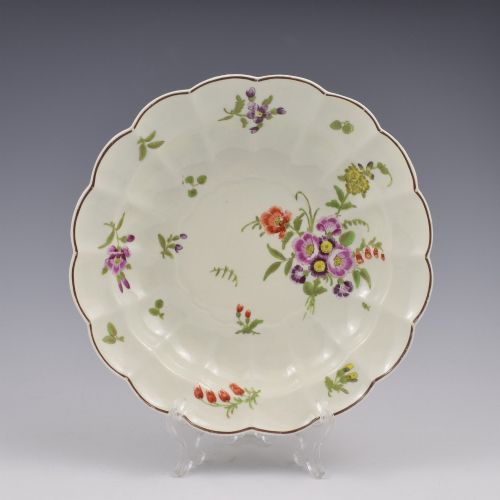
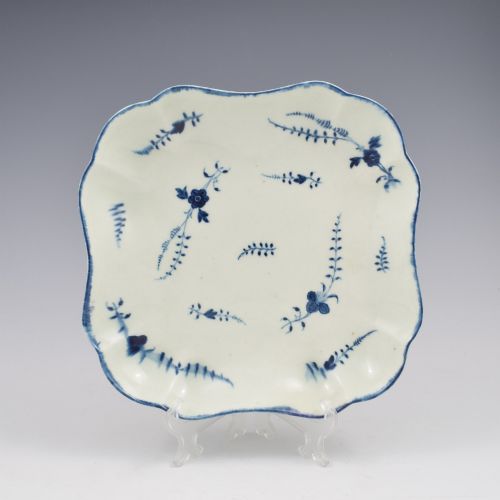
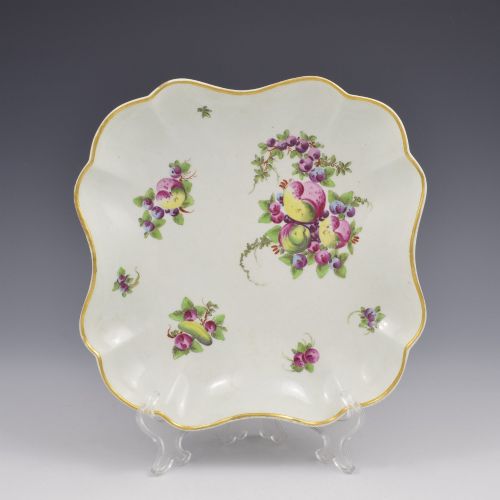
When you search for a dr wall worcester plate, you encounter eighteenth-century English ceramics produced during the Georgian period. These items take the form of dessert dishes, soup plates, saucer dishes, and square lobed vessels intended for formal dining and display.
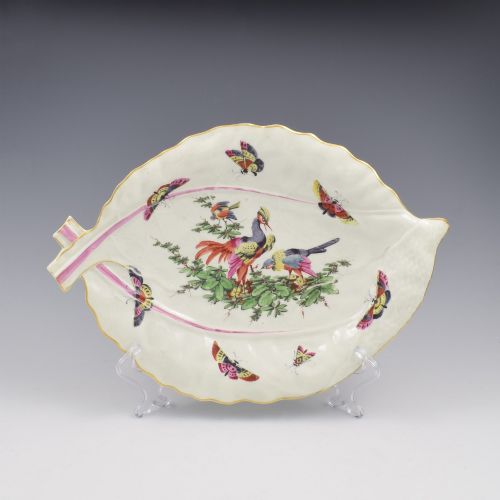
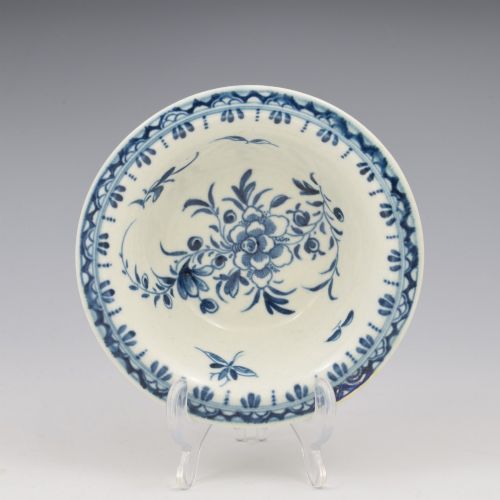
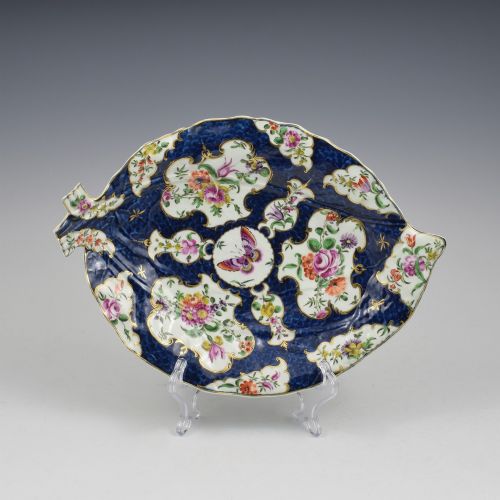
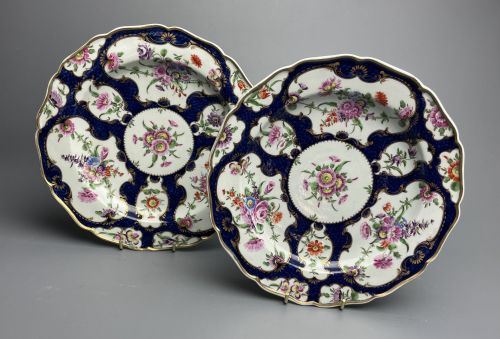
The pieces on this page mostly date from around 1750 to 1785, spanning the First Period of the factory's output. They display varied forms from leaf dishes and patty pans to standard round plates decorated with birds, flowers, and scale patterns.
How they were made
Potters shaped these objects using a soft-paste porcelain body, which was then fired and covered in a glossy glaze. Artisans applied hand-painted overglaze enamels and underglaze blue pigments to create intricate scenes of birds, foliage, and geometric borders.
Many examples incorporate gold leaf and rich gilding to highlight moulded rims and panel edges. Techniques such as blue scale grounds and wet blue glazing required careful control during multiple kiln firings.
Several plates feature plump spotted fruit and cormorants, proving eighteenth-century diners enjoyed their ceramics with a distinct dash of personality.
What varies in quality
The skill of the enamel painter dictates the visual success of each piece, distinguishing hurried factory output from meticulously detailed artistic work. Superior examples feature crisp brushwork on complex motifs like fancy birds or Kakiemon designs rather than repetitive, simplified patterns.
The evenness of the glaze and the precision of the gilding further define the grade of the ceramic. Well-preserved ground colours, such as green or blue scale, indicate superior control in the original manufacturing process.
Dr Wall Worcester
The Dr Wall Worcester Plate Glossary
- Soft-paste porcelain
- A ceramic composition made from clay, glass, and ground minerals rather than hard kaolin. This body type yields a warm, slightly creamy appearance under the glaze.
- Chinoiserie
- European artistic style reflecting Chinese and East Asian motifs. Worcester painters adapted these themes into charming garden scenes and fanciful landscapes on tableware.
- Overglaze enamel
- Coloured glass pigments painted on top of the fired glaze and fixed at a lower temperature. This technique allows for vibrant palettes including greens, reds, and pinks.
- Gilding
- The application of gold leaf or powdered gold to ceramic surfaces. It is typically fired onto the porcelain to accent rims and borders.
- First Period
- The foundational era of the Worcester porcelain factory, lasting from 1751 until 1783. Pieces from this phase are defined by specific paste characteristics and early painted marks.
Dr Wall Worcester Plate: Frequently Asked Questions
What is a dr wall worcester plate?
A dr wall worcester plate is an eighteenth-century porcelain dining or dessert dish made during the proprietorship of Dr John Wall at the Worcester factory. These items were produced from soft-paste porcelain and feature hand-painted or transfer-printed decoration.
Collectors prize them for their delicate forms, historical significance, and the artistic skill involved in their creation during the Georgian era.
How were these plates used?
These ceramics served practical roles during formal eighteenth-century meals, specifically for serving desserts, sweetmeats, or soups. Wealthy households displayed them on tables and sideboards to demonstrate status and taste.
Over time, many transitioned from functional tableware into decorative cabinet pieces preserved for their artistic merit.
How do I date an 18th-century plate?
Dating involves examining the paste composition, glaze characteristics, painting style, and factory marks found on the underside of the ceramic. Pieces from the First Period often exhibit specific blue underglaze crescents, square marks, or imitation Chinese characters.
Comparing the decorative motifs, such as Chantilly sprigs or blue scale, against known production timelines helps narrow the decade of manufacture.
How should I care for soft-paste porcelain?
Soft-paste porcelain requires gentle handling due to its age and the fragile nature of overglaze enamels and gilding. Wash pieces by hand in warm water using mild soap, avoiding abrasive sponges or soaking.
Display them securely away from direct sunlight and extreme temperature fluctuations to protect the glaze and decorative pigments.