


Chinese Export Style Plate
A chinese export style plate brings centuries of cross-cultural ceramic history to the table, offering a glimpse into global trade through hand-painted detail.
Chinese Export Style Plate
When you search for a chinese export style plate, you are looking at ceramics that bridge Eastern decoration with Western form. These pieces emerge across periods ranging from the Georgian and Victorian eras up to the early twentieth century.
The selections on this page include examples spanning the eighteenth century to nineteen thirty. You will find items representing styles such as Chinese Qing, Regency Chinoiserie, and nineteenth century French interpretations.
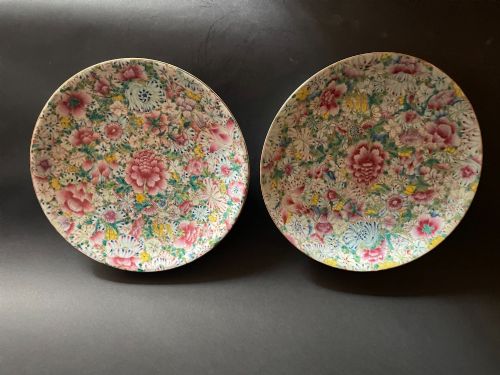
Forms vary from standard decorative plates to larger chargers and dishes. Many display hand-painted motifs that reflect historic exchange between European factories and Asian porcelain traditions.
How they were made
The primary material across these listings is porcelain, accompanied by ceramic, earthenware, and ironstone. Makers employed techniques such as cobalt underglaze painting and hand-painted enamel decoration.
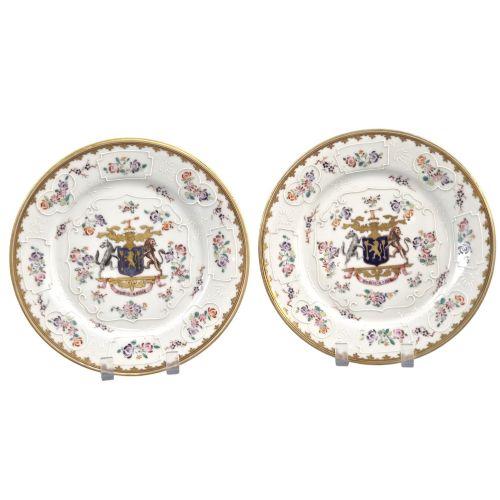
Gilt highlights frequently accent the glazed surfaces, adding metallic brilliance to the fired clay. Factories in Europe and Asia utilised traditional kiln firing to set these intricate designs.
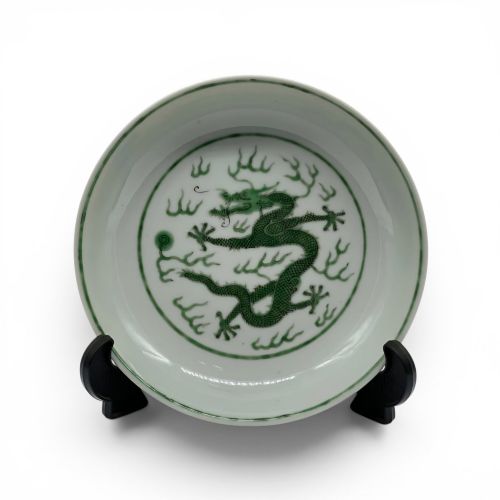
Some dragons painted on these plates look suspiciously like they missed their morning tea.
What varies in quality
Quality rests in the precision of the hand-painted brushwork and the clarity of the glaze. Finer examples display deliberate control in cobalt underglaze and crisp application of enamel pigments.
The sophistication of the design execution separates standard decorative ware from superior specimens. Attribution to notable makers or specific historic periods also influences the standing of a piece.
Edmé Samson & Cie·C.J. Mason
The Chinese Export Style Plate Glossary
- Porcelain
- A hard, fine-grained ceramic material fired at high temperatures until vitrified. It provides a smooth, non-porous white body ideal for detailed painting.
- Cobalt underglaze
- A blue pigment applied to the ceramic body before glazing and firing. This technique protects the pigment beneath a glassy protective layer.
- Enamel
- Coloured glass paste applied over the fired glaze and refired at a lower temperature. It permits a broad palette of vibrant surface decoration.
- Gilt
- A thin layer of gold applied to ceramic surfaces for ornamentation. It enhances the visual richness of borders and focal motifs.
- Chinoiserie
- A European artistic style reflecting Chinese motifs and techniques. Artisans reinterpreted Eastern aesthetics through Western eyes during the Georgian and Victorian periods.
Chinese Export Style Plate: Frequently Asked Questions
How old are these plates?
The pieces span multiple centuries, with dates ranging from the seventeen fifties through the Victorian era to nineteen thirty. Each era brings distinct decorative conventions and material properties.
Examining the base, glaze, and painting style helps determine the specific period of origin for each individual plate.
Are these plates for dining?
Most items catalogued here function primarily as decorative plates, dishes, or chargers rather than everyday tableware. Their historical significance and delicate hand-painted surfaces suggest display rather than heavy use.
Careful handling preserves the integrity of the enamel and gilt decorations over time.
What is chinoiserie?
Chinoiserie is a European decorative style that borrows and adapts Chinese artistic motifs. It appears frequently in Georgian and Regency interpretations on this page.
This aesthetic demonstrates how Western makers engaged with Eastern design traditions during periods of active global trade.
What materials are used?
The listings consist primarily of porcelain, alongside ceramic, earthenware, and ironstone. Artisans finished these bodies with glazes, cobalt underglaze, hand-painted enamel, and gilt.
Different material combinations reflect both Asian production and European revivalist manufacturing techniques.