




Blue Painted Ceramic Dish
These pieces of blue painted ceramic dish comprise centuries of global porcelain, earthenware, and pottery brought together by cobalt pigments.
Blue Painted Ceramic Dish
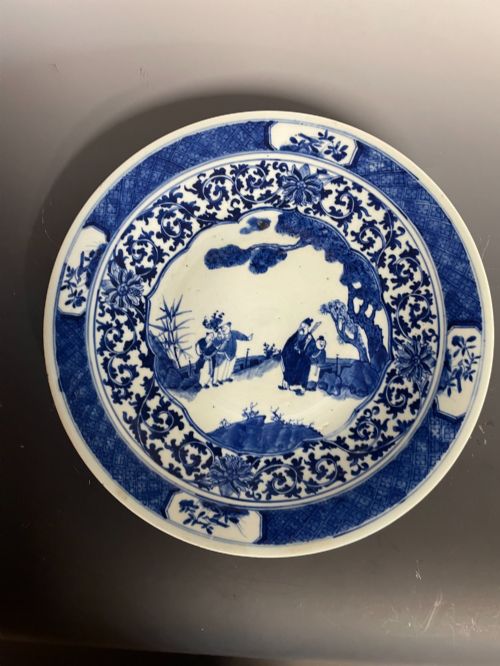
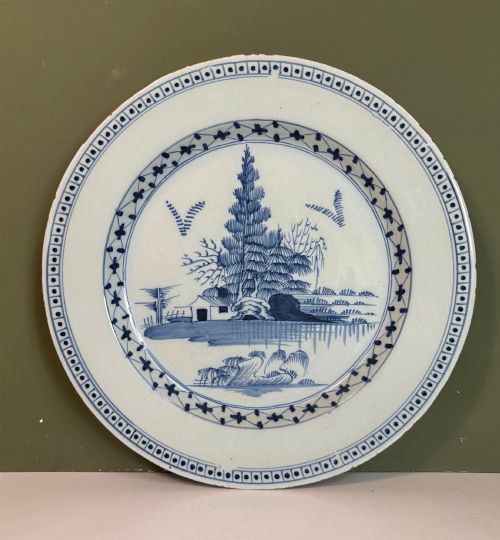
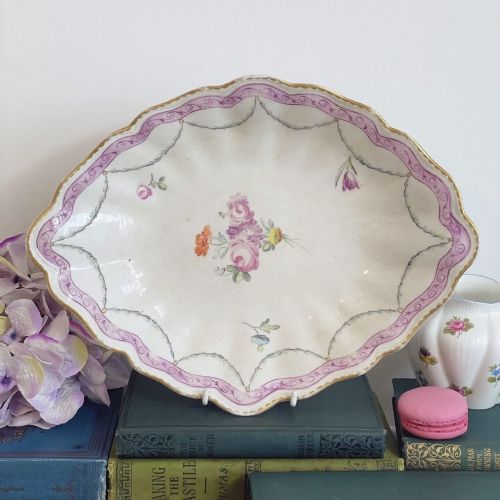
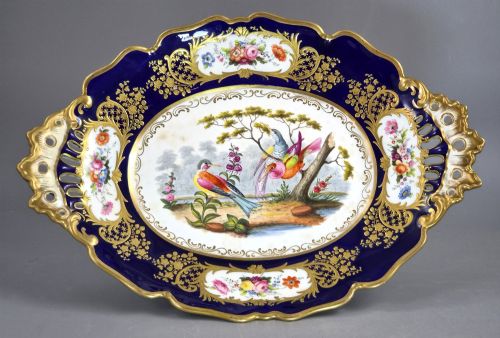
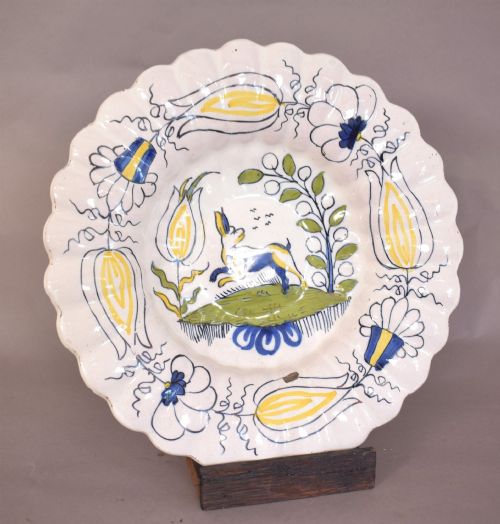
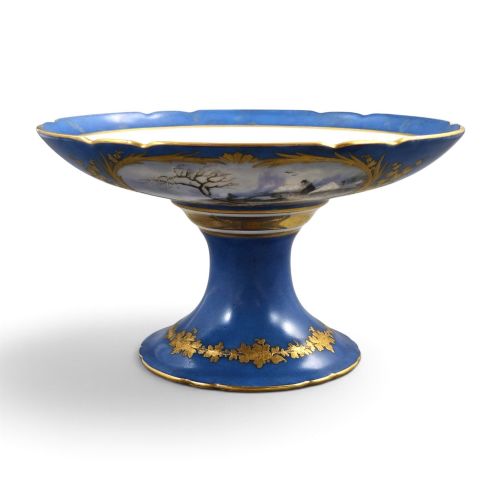
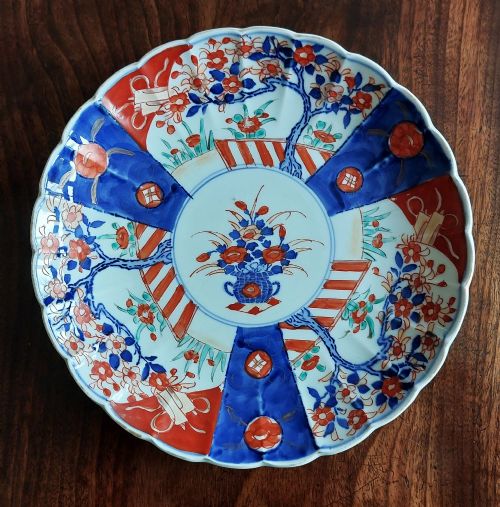
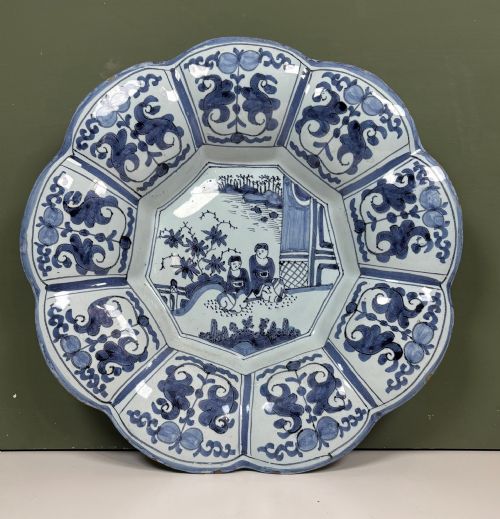
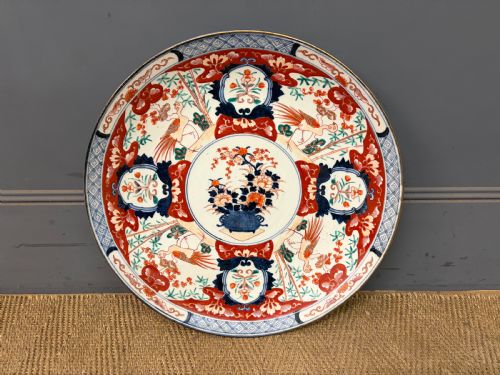
A blue painted ceramic dish spans everything from large chargers and cabinet plates to serving dishes and deep bowls originating across the eighteenth, nineteenth, and early twentieth centuries. European factories such as Worcester, Derby, and Sèvres sit alongside Dutch Delftware potteries and Japanese Meiji period Imari kilns within the selection.
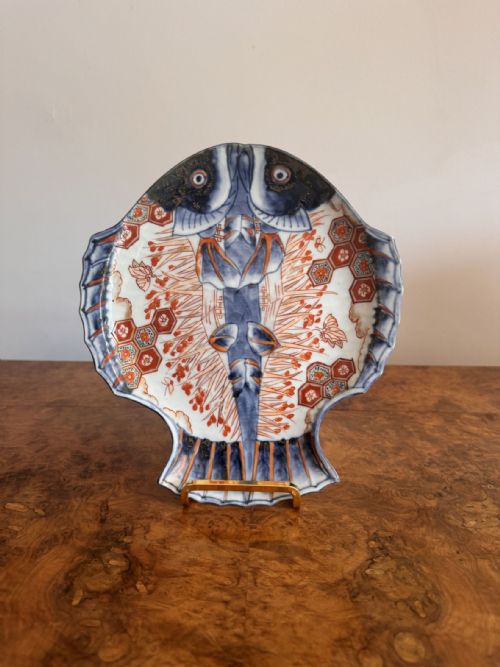
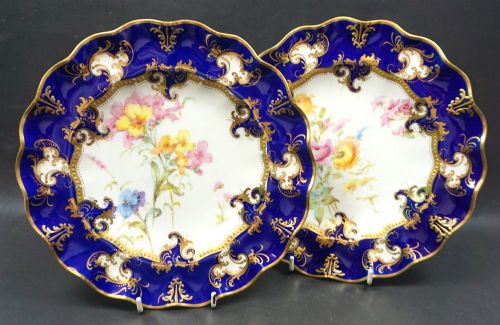
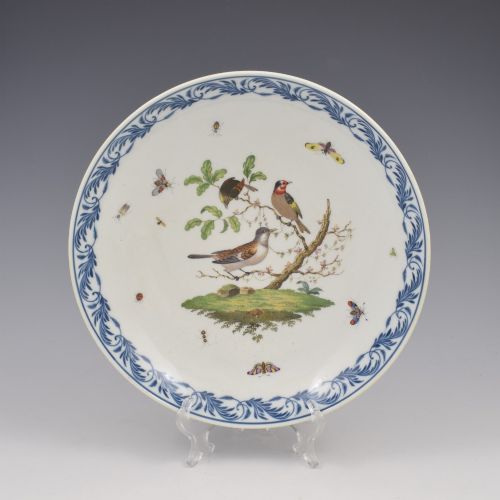
Buyers encounter forms ranging from scalloped edge plates and fish-shaped porcelain to octagonal bowls and footed comports. Many pieces display cobalt blue underglaze decoration or hand-painted polychrome floral and bird motifs.
Origins stretch from English earthenwares and French hard-paste porcelain to Chinese export porcelain and continental tin-glazed faience. The variety reflects shifts in global trade and domestic dining habits from seventeen hundred onwards.
Materials and Technique
Makers utilised ceramic bodies formed from soft-paste porcelain, hard-paste porcelain, earthenware, and ironstone, shaping them into plates, chargers, and lidded dishes. Tin-glazing provided an opaque white surface suitable for absorbing cobalt blue pigments before firing.
Artisans applied hand-painted cobalt blue designs, sometimes enhanced with gilding, gold leaf, or enamel details. Certain factories fired pieces multiple times to set complex underglaze blue patterns alongside overglaze polychrome enamels.
Plates take the form of swimming fish and fluted sea shells.
Assessing Quality
The refinement of the ceramic body and the precision of the hand-painted blue brushwork dictate the standing of a piece. Crisp cobalt definition on porcelain indicates tighter kiln temperature control and skilled pigment application.
Artistic ambition distinguishes standard domestic wares from exhibition-quality cabinet plates, particularly where detailed ornithological painting or intricate moulded forms like fish and shell shapes are involved.
Coalport·John Ford·Meissen·Royal Worcester·Hicks & Meigh·Ambroise Michel·Dr Wall Worcester·John Davenport of Longport
The Blue Painted Ceramic Dish Glossary
- Tin-Glazed Earthenware
- Pottery covered with a glaze containing tin oxide to produce a white, opaque surface. This technique forms the basis of traditional Delftware.
- Imari
- A style of Japanese export porcelain featuring cobalt blue and iron red, often accented with gold. It heavily influenced European ceramic production.
- Cabinet Plate
- A decorative plate intended for display in a cabinet or on a wall rather than for everyday dining. These often feature elaborate hand-painted scenes.
- Charger
- A large decorative plate used historically as a base plate during formal meals or displayed upright on sideboards. Many examples survive as wall plates.
- Soft-Paste Porcelain
- A ceramic material composed of clay and glass frit fired at lower temperatures than hard-paste porcelain. It was widely developed in eighteenth-century European factories.
Blue Painted Ceramic Dish: Frequently Asked Questions
How do I display a large charger?
Large chargers were traditionally displayed on sideboards or hung on walls using specialist wire hangers designed to secure heavy ceramic edges without damage.
Ensuring the wall fixing is anchored into solid masonry supports the weight of dense nineteenth-century earthenware and porcelain pieces safely over time.
Can I use these antique dishes for dining?
While many eighteenth and nineteenth-century pieces were made for food service, older enamels and soft glazes can wear down with modern cutlery and dishwashers.
Hand washing in lukewarm water with mild soap preserves the delicate cobalt blue pigments and gold leaf detailing on porcelain and earthenware surfaces.
What is the difference between Delft and Imari?
Delft refers to tin-glazed earthenware originating primarily in the Netherlands and England, typically featuring blue and white Dutch or Chinese-inspired motifs.
Imari designates Japanese porcelain decorated with a distinct palette of underglaze blue, iron red, and gilding, which inspired numerous European factory imitations.
How do I date a blue painted ceramic dish?
Dating relies on identifying factory backstamps, cobalt blue marks, pattern numbers, and stylistic clues such as Meiji period moulding or Georgian ironstone shapes.
Comparing the ceramic body type, whether porcelain, earthenware, or tin-glazed faience, helps narrow the production window alongside recorded decorator signatures.