
18th Century Worcester Porcelain
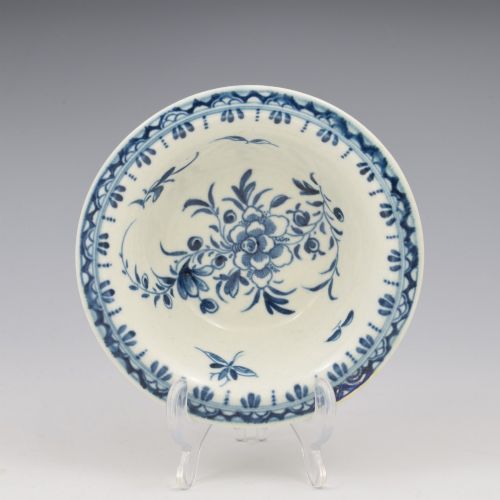
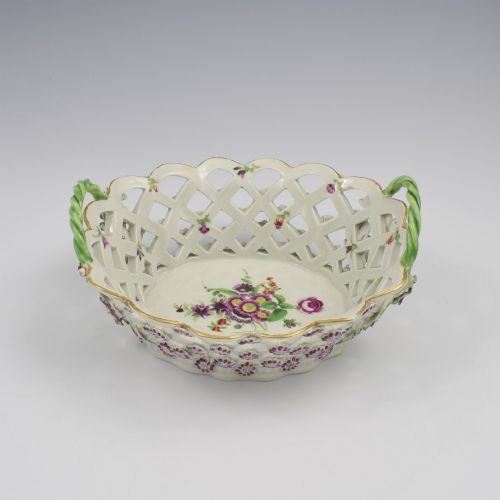
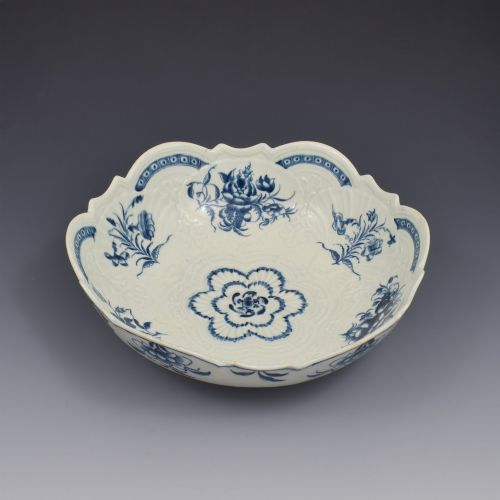
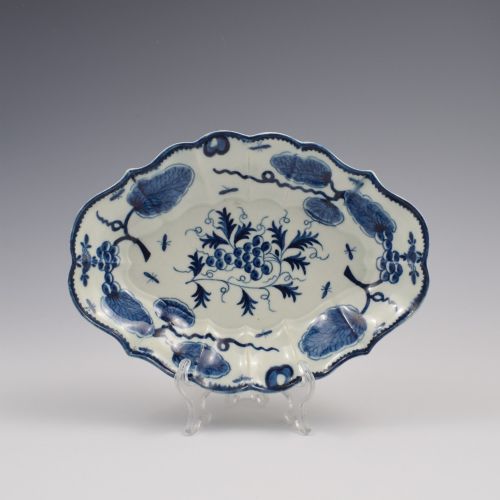
These 18th century worcester porcelain pieces are early soft-paste bodies and decorated forms that collectors acquire for their eighteenth-century potting and painted detail.
What 18th Century Worcester Porcelain Is
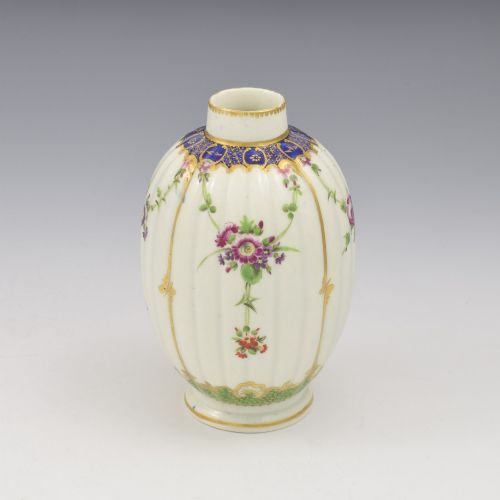
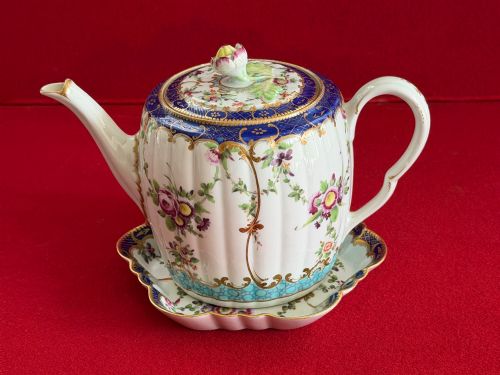
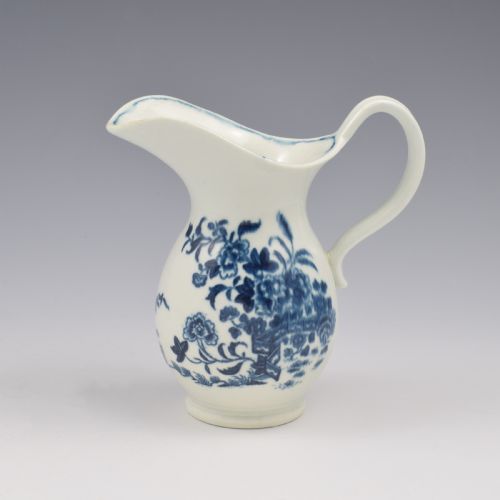
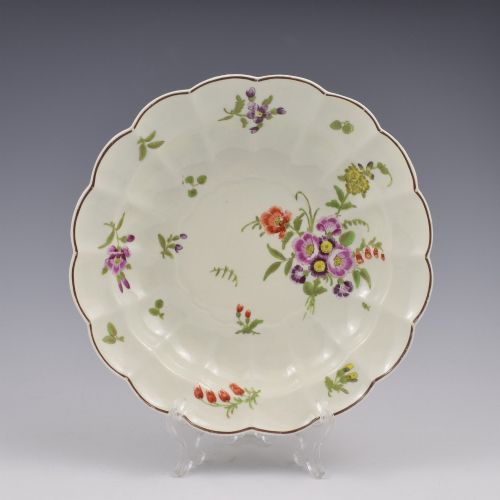
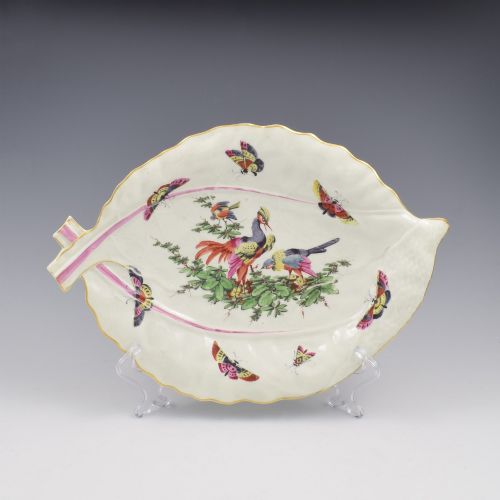
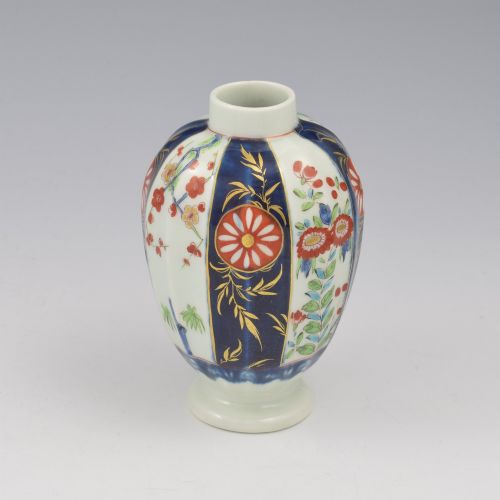
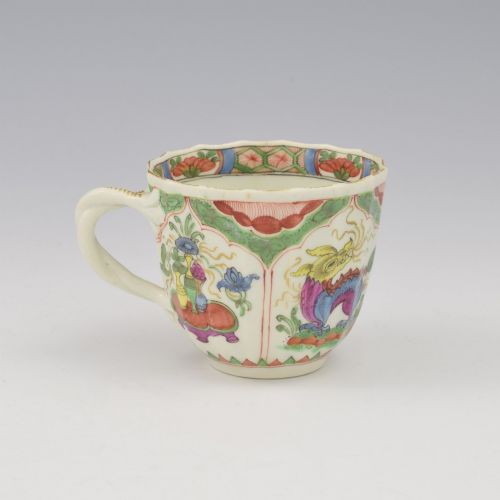
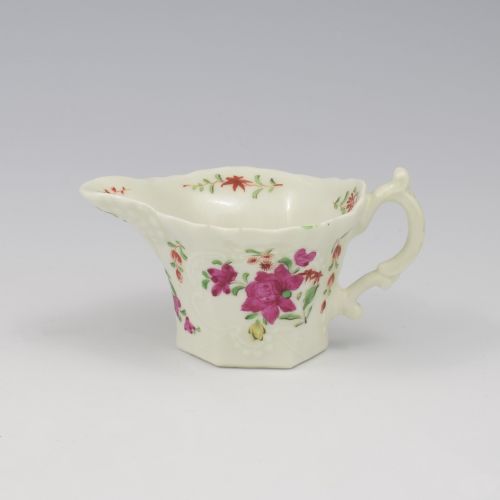
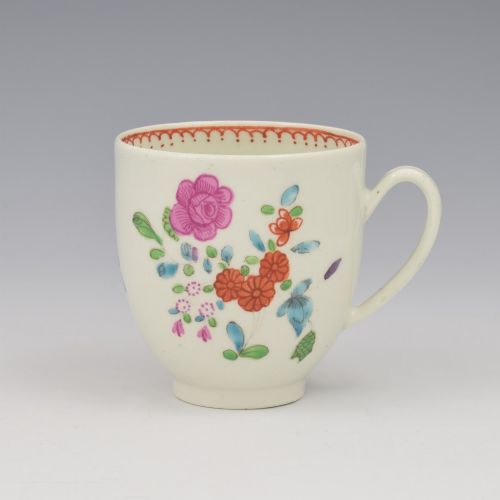
When you search for 18th century worcester porcelain, you find eighteenth-century tea caddies, plates, dishes, sauce boats, and bowls from the First Period and Dr Wall eras. These items include Georgian styles alongside Georgian Rococo and Georgian Chinoiserie interpretations.
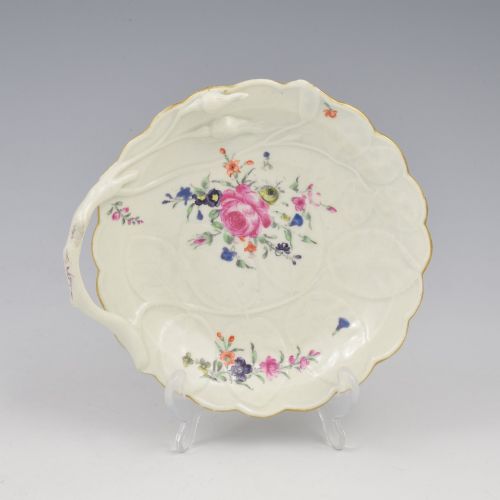
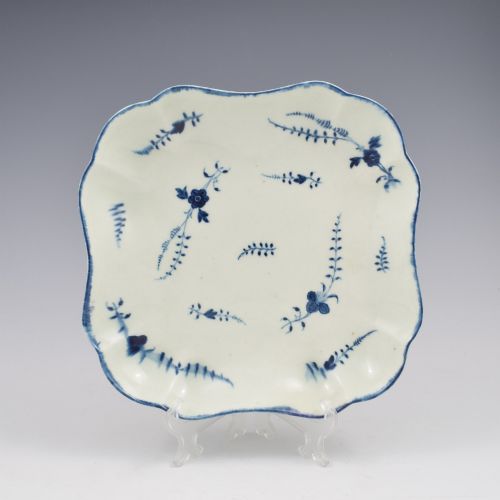
The pieces appearing on this page span the mid-to-late eighteenth century, specifically dating around seventeen-fifty up to seventeen-eighty. Forms range from lobed dessert and soup plates to triangular platform sauce boats and fluted tea canisters.
How They Were Made
Makers utilised soft-paste porcelain shaped into utilitarian and display forms such as tea caddies, bowls, and sauce boats. Potters applied cobalt blue underglaze and cobalt glaze alongside enamel painting and gilt detailing.
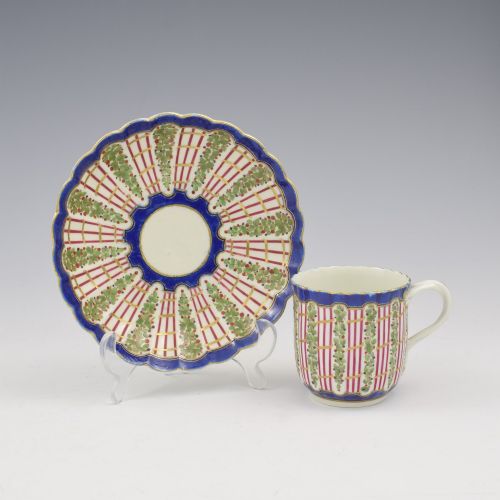
Decoration includes traditional Chinese inspired motifs like the Kangxi the Hundred Antiques design as well as Sèvres style fluting. Artisans finished these vessels with a transparent glaze over the soft-paste body.
Retail Price Guide 2026
Typical UK retail prices for 18th century worcester porcelain, calculated from the Sellingantiques database of over a million retail prices indexed since 2003. This retail price guide relies exclusively on Sellingantiques data; no external sources or auction records are used, so the figures do not describe the wider market.
A dragon bowl hiding in the archive proves that eighteenth-century dragons were surprisingly fond of British tea.
What Varies in Quality
Quality rests in the precision of the cobalt blue underglaze application and the crispness of the moulded forms, such as lobed rims on plates and triangular sauce boat platforms. Pieces featuring detailed Chinoiserie or Sèvres style painting demonstrate greater artistic ambition than plain blue and white domestic wares.
Dr Wall
The 18th Century Worcester Porcelain Glossary
- Soft-Paste Porcelain
- A ceramic material composed of white clay, glass frit, and ground minerals, fired at lower temperatures than hard-paste porcelain. This body creates a warm, creamy translucent background typical of early English factories.
- Cobalt Blue Underglaze
- A metallic oxide pigment applied to the raw ceramic body before glazing and firing, which yields a deep blue design under a glassy finish. It remains stable at high kiln temperatures.
- Chinoiserie
- European artistic style reflecting Chinese and East Asian motifs, popular throughout the Georgian era. Artisans adapted these imaginary Eastern landscapes onto tea wares and plates.
- Dr Wall
- The founding partner of the Worcester porcelain manufactory, whose name designates the early period of production from seventeen-fifty-one onwards. Pieces carrying this attribution represent the foundational decades of the works.
Frequently Asked Questions
How do I date these pieces?
Look to the form, the decorative style, and any underglaze marks present on the base. Early pieces often feature specific cobalt blue patterns or moulded Rococo shapes.
Stylistic shifts from mid-century Chinoiserie to later Sèvres style fluting help narrow down the decade of production within the eighteenth century.
What are soft-paste bodies?
Soft-paste porcelain is an early artificial ceramic mixture containing glass and white clay rather than natural hard kaolin. It fires at lower temperatures and produces a distinctive warm, slightly creamy surface texture.
This material absorbs glazes in a unique way, giving these eighteenth-century vessels their characteristic soft translucency.
How were sauce boats used?
Triangular platform sauce boats served gravies and melted butter at formal Georgian dining tables. Their distinct moulded forms kept sauces contained while matching the surrounding tableware.
Dining practices of the period required dedicated vessels for individual table sauces, making these handled boats essential table items.
What is Chinoiserie decoration?
Chinoiserie is a European decorative style interpreting East Asian art, featuring imaginary landscapes and oriental figures. Worcester painters applied these motifs in cobalt blue underglaze on plates and bowls.
This aesthetic dominated mid-eighteenth-century porcelain decoration before neoclassical styles gained popularity.