




Antique Ceramic Tea Jar
These antique ceramic tea jar pieces are historic vessels designed to keep dried leaves dry and fragrant, bringing centuries of craftsmanship straight to your tea table.
Antique Ceramic Tea Jar
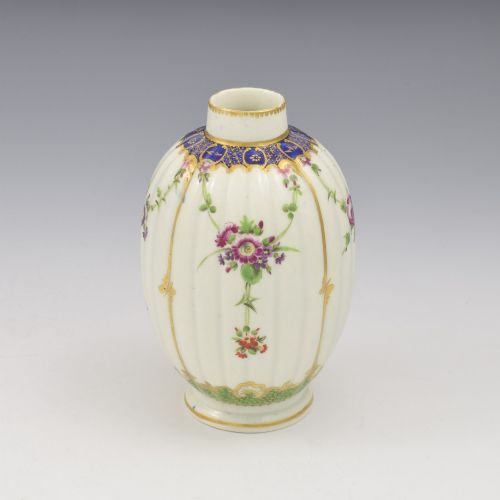
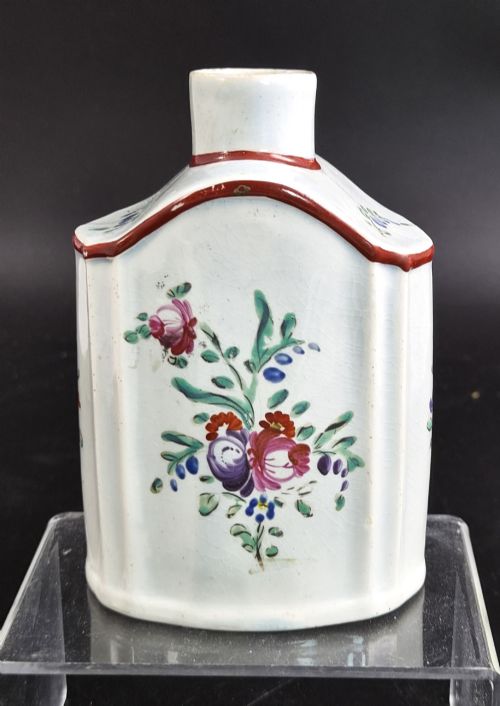
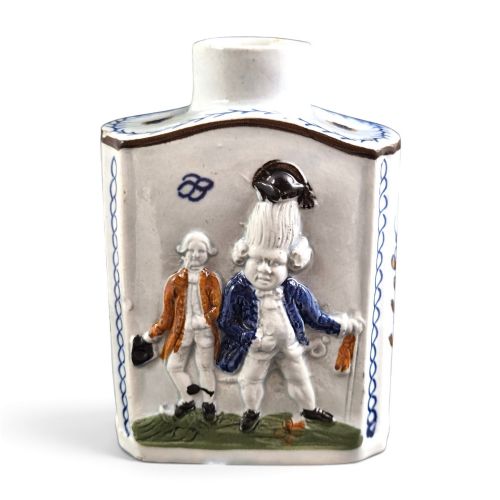
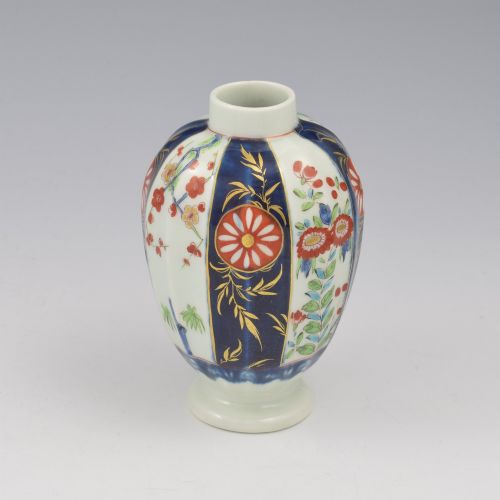
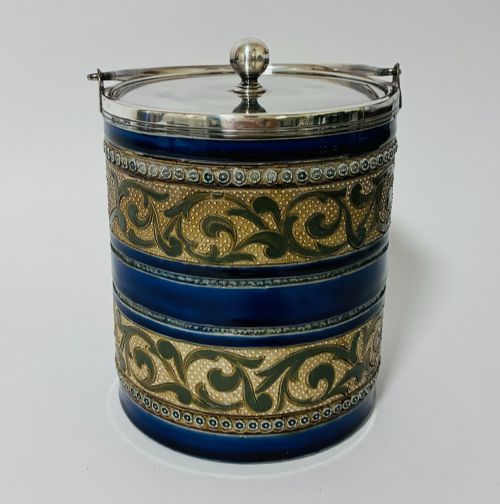
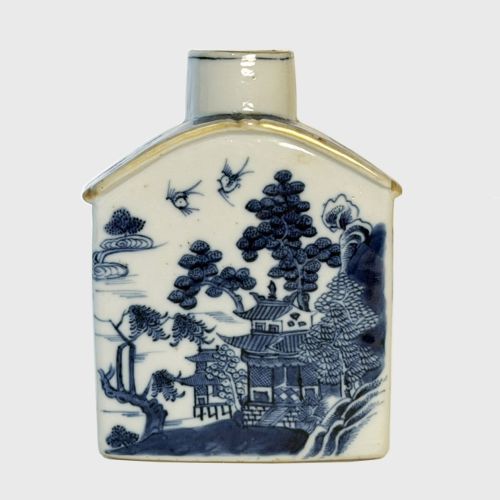
Forms vary from delicate fluted tea canisters made in eighteenth century workshops to robust Victorian biscuit barrels fitted with silver plate mounts. Styles range from Georgian blue and white to intricate Chinese export porcelain and Japanese Meiji period satsuma ware. Each object reveals the domestic habits and global trade connections of past centuries through its specific shape and decorative scheme.
How they were made
Potters shaped these vessels using earthenware, soft-paste porcelain, and ceramic bodies, often applying crackle or tea dust glazes to achieve specific surface textures. Artisans then decorated the surfaces with handpainted floral enamels, gold leaf accents, and cobalt blue underglaze.
Many nineteenth century biscuit barrels and canisters received functional upgrades through the addition of silver plate hardware, hinges, and lids. These combined techniques of ceramic forming and metal mounting created durable containers suited for daily parlor use.
Listings feature eighteenth century soft-paste porcelain alongside nineteenth century earthenware, incorporating materials such as gold leaf, enamel, and silver plate.
What varies in quality
Quality rests upon the crispness of the moulding, the control of the kiln during glazing, and the precision of the handpainted details. Pieces originating from recognised factories like Worcester or Leeds Pottery exhibit superior paste refinement and balanced proportions compared to simpler wares.
The integration of metal hardware also influences distinction, as sturdy silver plate mounts fitted securely to ceramic bodies indicate higher production standards. Preservation of original enamels and gold leaf without excessive fading separates standard domestic items from superior collector pieces.
Leeds Pottery·Dr Wall Worcester·Royal Crown Derby·Carlton Ware·Herend·Minton
The Antique Ceramic Tea Jar Glossary
- Tea caddy
- A small container designed for storing loose tea leaves securely. They often featured fitted lids and were sometimes kept inside locked wooden boxes.
- Biscuit barrel
- A covered ceramic jar used for serving dry biscuits or cakes in the Victorian parlor. These frequently incorporated silver plate mounts and swing handles.
- Soft-paste porcelain
- A ceramic material composed of clay and glass frit, fired at lower temperatures than true hard-paste porcelain. It is characteristic of many eighteenth century English factories.
- Imari
- A decorative style featuring rich underglaze blue and iron-red highlights with added gold leaf. It originated in Japan and was widely copied by European potteries.
- Flow blue
- A nineteenth century transfer printing technique where cobalt blue bled slightly into the surrounding glaze during firing. This produced a misty, soft-edged pattern on earthenware.
Antique Ceramic Tea Jar: Frequently Asked Questions
What is the difference between a tea caddy and a biscuit barrel?
Tea caddies are smaller vessels originally built to store precious dry tea leaves in domestic settings.
Biscuit barrels are larger jars created during the Victorian period to hold biscuits on the dining or parlor table.
How can I date an antique ceramic tea jar?
Dating relies on identifying factory marks, stylistic periods such as Georgian or Victorian, and manufacturing materials like soft-paste porcelain.
Examining the glaze characteristics and any metal mounts also helps narrow down the decade of production.
Were these jars used only for tea?
While many were designed specifically for tea leaves or canisters, others served as ginger jars or storage for sweet biscuits.
Some ceramic vessels on this page function as vases or general kitchen jars rather than tea storage.
How should I clean my antique ceramic jar?
Dust the surface gently with a soft, dry cloth to protect fragile handpainted enamels and gold leaf details.
Avoid submerging pieces with silver plate mounts or historic glazes in water to prevent corrosion.