



Antique Porcelain Tea Caddy
An antique porcelain tea caddy is a small, lidded storage vessel for dry leaf, prized for its miniature form and fine painted decoration.
How they were made
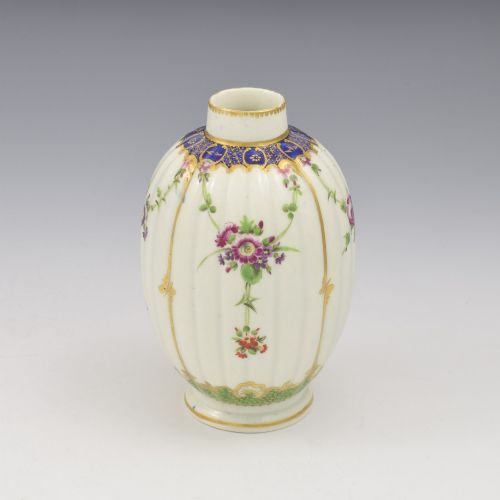
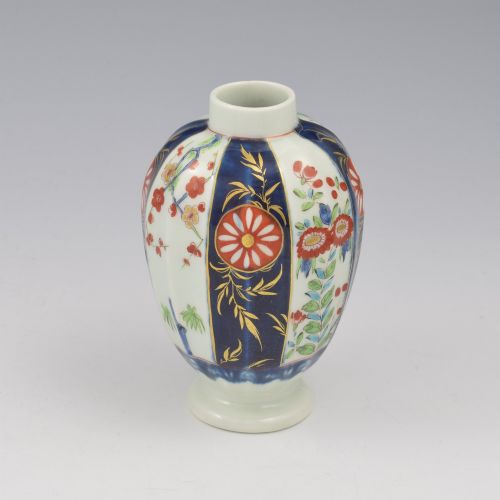
The material base of these pieces relies upon porcelain and soft-paste ceramic bodies, shaped either by throwing on a wheel or moulding in sections. Glazes are applied over the surface, sometimes incorporating crackle effects or smooth transparent coats before secondary firing.
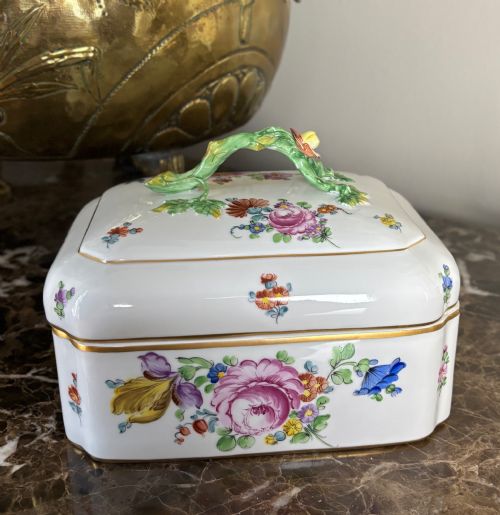
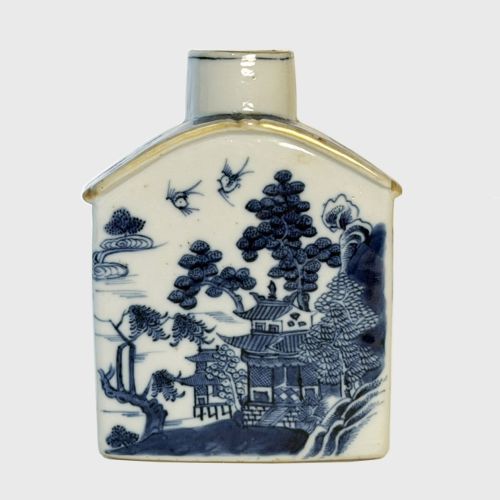
Decoration is achieved through handpainted enamel pigments, occasionally accented with gold leaf gilding to highlight raised relief or borders. Chinese export pieces and European factories alike utilised cobalt blue underglaze painting alongside polychrome overglaze enamel work.
What varies in quality
The standard of painting separates ordinary production from finer examples, measured in the brushwork precision of floral sprays or figurative scenes. Crispness of moulding defines the form, where sharper fluting and well-fitted lids indicate superior craftsmanship.
The application of gilding and the stability of the glaze layer reveal the skill involved in the kiln firing process. Heavier potting and refined enamel saturation distinguish the work of established factories from simpler domestic wares.
Some vessels feature festive holly and mistletoe motifs, proving that Victorian tea drinkers enjoyed seasonal greenery long before December arrived.
Tokyo Taizan·Carlton Ware·Herend·Minton·Samson
The Antique Porcelain Tea Caddy Glossary
- Soft-paste porcelain
- An artificial porcelain composition fired at lower temperatures than hard paste, common in eighteenth-century English factories. It produces a warm texture and slightly creamy glaze.
- Enamel
- Opaque glass-like paint applied to the fired ceramic surface and fixed in a muffle kiln. It provides vibrant colours for botanical and figurative motifs.
- Biscuit barrel
- A covered ceramic container used for storing dry biscuits on the dining table, often fitted with a metal lid and swing handle. These vessels frequently date to the Victorian and Edwardian periods.
- Chinese export
- Porcelain manufactured in China specifically for Western markets, following European shape and decoration preferences. Pieces range from blue and white tea caddies to armorial services.
- Gilt
- A thin application of gold leaf or powdered gold used to decorate edges and surface details. It accents the painted scenes on porcelain bodies.
Antique Porcelain Tea Caddy: Frequently Asked Questions
How were tea caddies used?
Tea caddies served to store expensive leaf securely in the parlour, often under lock and key to prevent pilfering by household staff.
The dry leaves were measured out by the host before brewing, keeping the aroma preserved within the small porcelain or ceramic container.
How do I distinguish eighteenth-century pieces?
Eighteenth-century examples often display soft-paste bodies with hand-painted cobalt blue underglaze or early enamel palettes.
Forms from this period tend to be compact canisters or jars with simple matching lids rather than metal swing handles.
Where were these caddies manufactured?
Production took place across English porcelain works such as Worcester, alongside continental factories in France and Germany.
Significant quantities also originated in East Asian kilns for export to Western domestic interiors.
How do I clean antique porcelain?
Cleaning requires only warm water and a mild soap applied with a soft cloth to protect fragile overglaze enamels.
Harsh detergents and scrubbing brushes must be avoided to prevent loss of gilding and surface decoration.