


Antique Worcester Porcelain Jar
An antique worcester porcelain jar brings centuries of English kiln skill to a room, offering collectors delicate floral bodies and gilded covers.
Antique Worcester Porcelain Jar
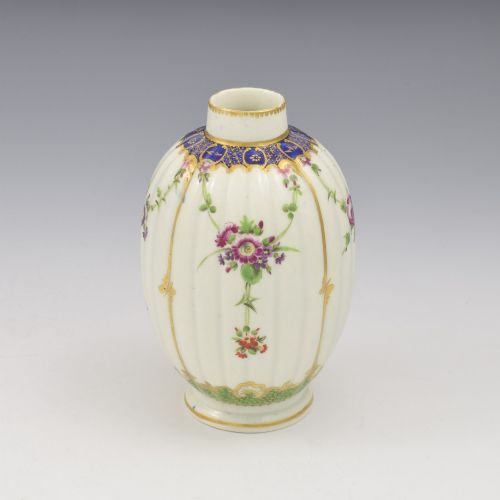
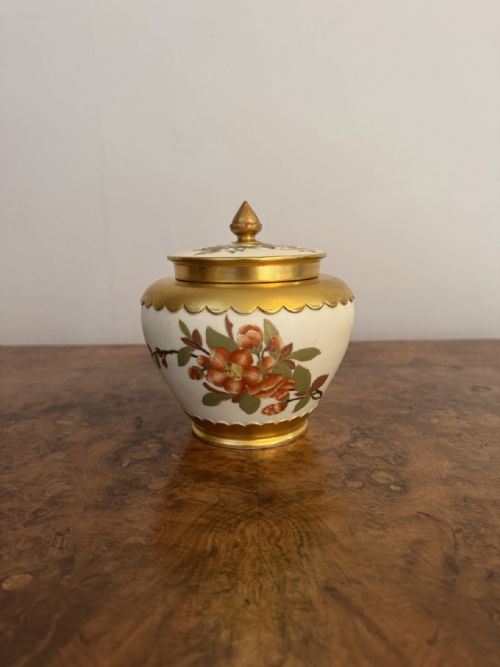
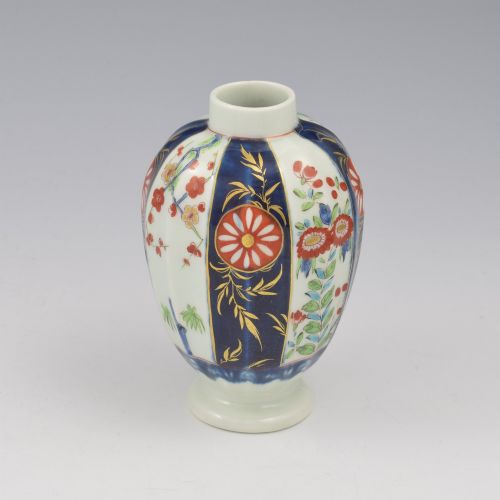
When searching for an antique worcester porcelain jar, buyers encounter forms ranging from 18th century tea canisters to Edwardian blush ivory pot-pourri vessels and mid-century painted fruit jars. The selection spans the 18th century, Victorian era, Edwardian period, and decades into the 20th century.
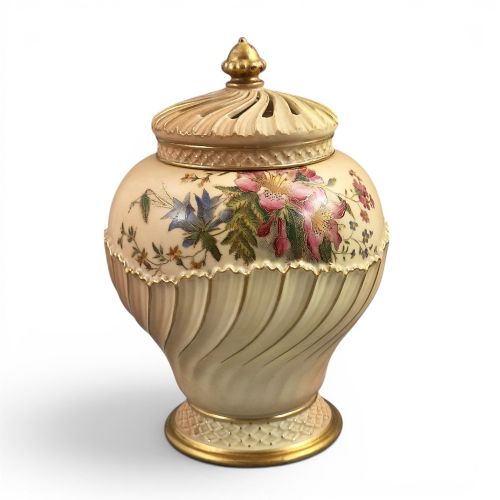
Lidded potpourri pots and crown-covered jars dominate the later eras, often displaying pierced or reticulated tops designed for releasing scent. Early pieces take the shape of tea canisters and pommanders from the First Period and Flight Period.
The aesthetic shifts from early blue and white designs and Sèvres style fluting to elaborate blush ivory grounds and detailed hand-painted fruit panels signed by factory artists.
Materials and Techniques
Potters shaped these vessels using porcelain, soft-paste porcelain, and ceramic bodies that provided a smooth canvas for subsequent decoration. Soft-paste pieces from the 18th century required precise firing techniques in wood or coal-burning kilns.
Enamel colours, gold leaf, and gilding were applied over the glaze and fired again to fix the rich metallic highlights and painted scenes. Later Royal Worcester works utilised specialised blush ivory grounds combined with gilt accents and delicate hand-painting.
Detailed subjects such as flying swans, pheasants, blackberries, and fruit were rendered by hand using fine brushes before final glazing.
The listings encompass both 18th-century soft-paste tea canisters and late 20th-century Royal Worcester painted fruit vases.
The Measure of Quality
The distinction between ordinary and exceptional pieces rests in the execution of the painting and the crispness of the porcelain moulding. Hand-painted fruit and bird studies by known factory artists command greater attention than standard transfer-printed or plain glazed bodies.
The survival of original matching covers, particularly intricate crown tops and pierced potpourri lids, elevates the completeness of a vessel. The precision of the gilding and the absence of kiln-firing distortions also mark superior works from both the 18th century and the Victorian era.
Chamberlain Worcester·Royal Worcester·Hadley Ware
The Antique Worcester Porcelain Jar Glossary
- Blush ivory
- A matte cream-coloured ceramic ground developed by Royal Worcester that mimics the warm tone of elephant ivory. It serves as a subtle background for floral and gilt decoration.
- Soft-paste porcelain
- An artificial ceramic paste composed of clay, glass, and ground minerals used in early English factories. It creates a warmer, softer glaze appearance than true hard-paste porcelain.
- Potpourri jar
- A lidded ceramic vessel pierced with holes in the cover to diffuse dried scented petals and spices into a room. These jars often feature inner secondary lids.
- Tea canister
- A straight-sided or fluted container made to hold dry tea leaves securely before brewing. 18th-century examples often include matching fitted lids.
- Gilding
- The application of gold leaf or powdered gold to ceramic surfaces for decorative trim and highlights. It is bonded to the glaze through high-temperature firing.
Antique Worcester Porcelain Jar: Frequently Asked Questions
How do I date an 18th century Worcester piece?
Eighteenth-century pieces typically display underglaze blue crescent marks, disguised numerals, or script marks associated with the Dr Wall and Flight periods. Examining the soft-paste body and the style of the hand-painted decoration also helps establish the decade of creation.
Inspect the foot rim for signs of unglazed clay typical of early kiln furniture use. Comparing the potting weight against known period standards provides further confirmation of the era.
What is blush ivory porcelain?
Blush ivory is a specialised tinted ceramic body introduced by Royal Worcester in the late 19th century. It provides a warm, matte cream background that absorbs light differently than a standard glossy white glaze.
This surface finish was frequently paired with raised gold leaf gilding and naturalistic floral or bird painting. It remains one of the most recognizable signatures of late Victorian and Edwardian factory output.
How were potpourri jars used?
Potpourri jars were placed in Victorian and Edwardian drawing rooms to freshen the air using dried flower petals mixed with spices and essential oils. The pierced crown covers allowed the fragrance to circulate freely throughout the space.
When the scent faded, the inner contents were replenished through the main opening beneath the lid. Many examples were designed purely as decorative garniture sets on mantelpieces.
Are painted fruit jars signed?
Many later Royal Worcester fruit and bird jars bear the signature of the specific studio artist who painted the piece. Names such as Stinton, Freeman, Blake, and Ayrton appear beside the painted fruit clusters.
Signed works represent the pinnacle of the factory's painterly output during the early to mid-20th century. Unsigned pieces may still feature high-quality decoration but lack individual artist attribution.