



Red Floral Porcelain Vessel
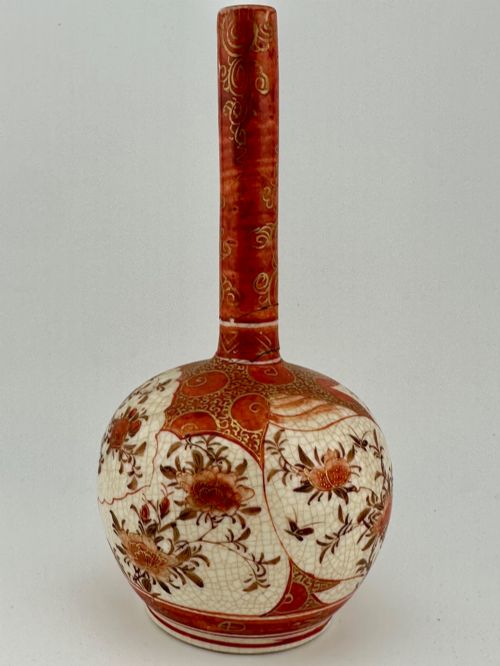
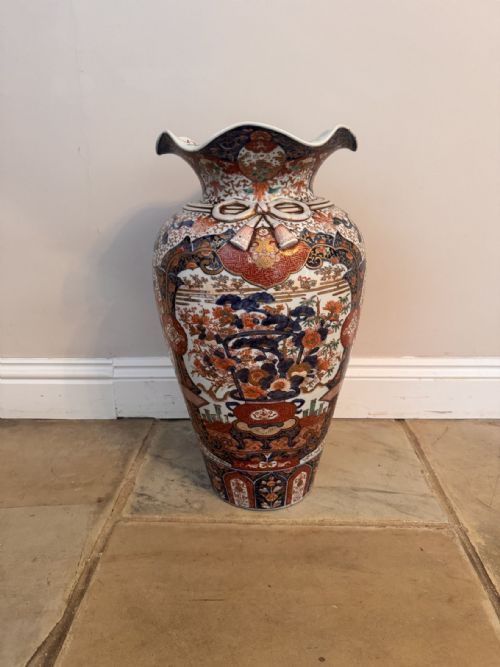
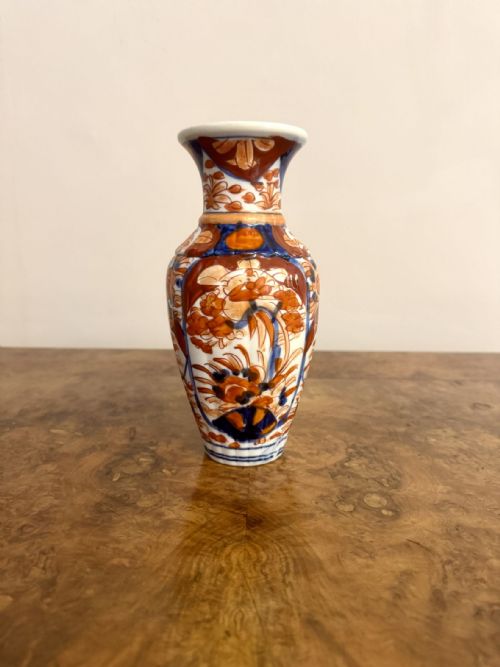
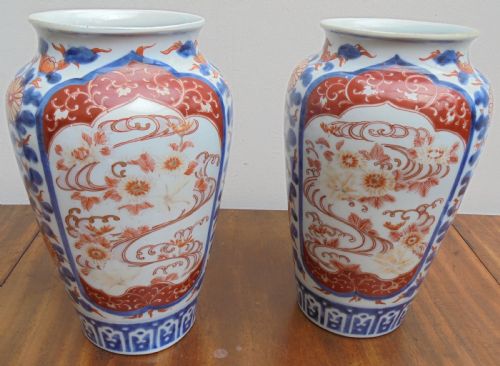
These red floral porcelain vessel examples bring rich palettes of crimson and gold into a room, offering striking focal points for a mantelpiece or side table.
Red Floral Porcelain Vessel
When you search for a red floral porcelain vessel, you encounter decorative objects designed for display and utility, spanning Japanese Imari, Chinese forms, and European output. These items range from ginger jars and tea caddies to large floor-standing vases and bowls.
The selections on this page are dominated by Japanese Imari production from the nineteenth century, alongside examples from the Meiji period and the eighteenth century. You also find hexagonal bowls and covered jars carrying hand-painted schemes in iron red and gold.
Vessels take many shapes, from ribbed and moulded bodies to traditional baluster forms and wide decorative bowls. Each piece demonstrates the enduring appeal of floral motifs rendered in rich enamel palettes.
How they were made
Potters shaped these items from fine porcelain clay before applying initial underglaze cobalt or iron red painting. Many pieces then received overglaze enamel decoration in multiple firings to achieve depth of colour.
Gilding and gold leaf often accent the floral patterns and borders, applied by hand over the fired glaze. Metal mounts or rims occasionally appear on specific forms to protect edges and enhance the silhouette.
Materials documented across the inventory include porcelain, enamel, gold leaf, and glaze, styled as ginger jars, tea caddies, and vases.
What varies in quality
The distinction between standard and superior pieces rests on the crispness of the hand-painted brushwork and the precision of the enamel application. Tightly controlled floral detailing and vibrant saturation elevate a vessel.
The handling of the gilding and the weight of the porcelain body further separate examples. Potteries that maintained strict firing standards produced pieces with cleaner lines and more resonant glazes.
The Red Floral Porcelain Vessel Glossary
- Imari
- A style of Japanese porcelain originating from Arita, traditionally featuring a palette of iron red, cobalt blue, and gold. This decorative approach became widely exported to Europe from the seventeenth century onward.
- Ginger Jar
- A globular or oviform storage jar with a short neck and a fitted cover, originally designed to hold spices. In later periods, these vessels served purely decorative functions in domestic interiors.
- Tea Caddy
- A small container built to hold dry tea leaves before brewing, often fitted with a lid. These vessels frequently feature neat geometric or floral panels suited to cabinet display.
- Overglaze Enamel
- A technique where coloured pigments are painted onto a previously fired and glazed porcelain surface, then fixed with a lower-temperature second firing. This method allows for a wider range of bright hues like iron red.
- Meiji Period
- A Japanese historical era lasting from 1868 to 1912, noted for a surge in export ceramics tailored to international tastes. Pieces from this time often display intricate floral and brocade patterns.
Red Floral Porcelain Vessel: Frequently Asked Questions
How do I care for my porcelain vessel?
Dust the surface gently with a soft, dry cloth to prevent accumulation in moulded crevices or around gilt highlights.
Avoid using water, chemical cleaners, or abrasive cloths, as these can damage the delicate overglaze enamel and gold leaf.
Were these vessels meant for display?
Many forms, such as large floor-standing vases and decorative bowls, were created specifically to ornament grand rooms and reception spaces.
Other items like tea caddies and ginger jars combined practical storage duties with visual appeal before transitioning entirely to decorative roles.
How can I tell the age of a piece?
Examine the base and foot ring for signs of wear, paste composition, and glaze characteristics typical of nineteenth-century or earlier production.
Comparing the painting style and palette to documented examples from periods like the Meiji era helps establish a reliable timeline.
What defines the Imari style?
Imari ceramics are recognised by their distinct colour combination, primarily relying on underglaze blue and iron red, frequently enriched with gold leaf.
Floral and brocade motifs fill the surface densely, creating a rich tapestry of pattern that became a staple of export trade.