


Antique Tea Canister Jar
When you search for an antique tea canister jar, you are looking at solid silver boxes and porcelain vessels designed to keep dried leaves dry and fragrant.
Antique Tea Canister Jar
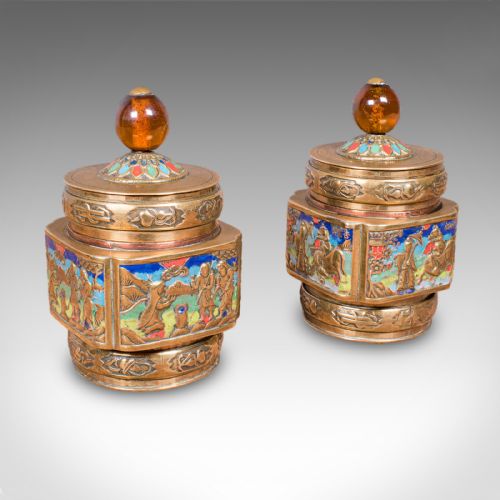
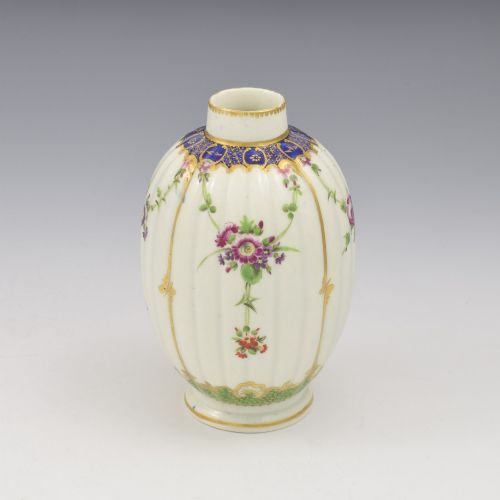
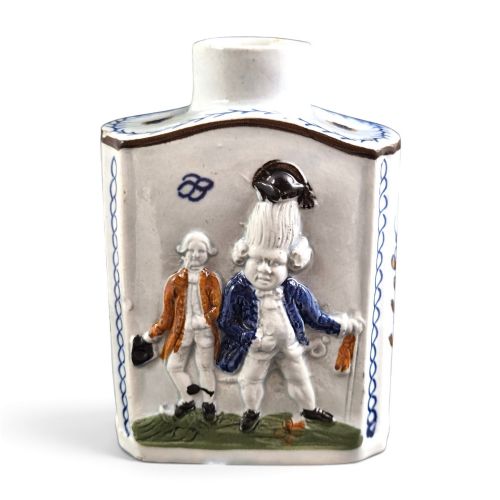
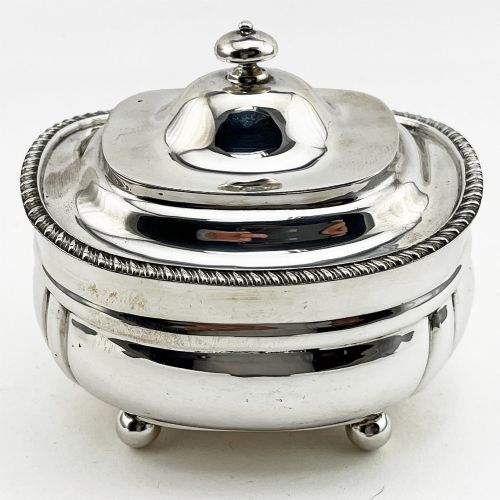
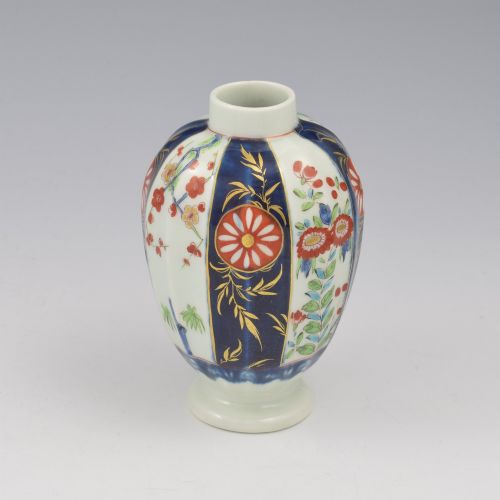
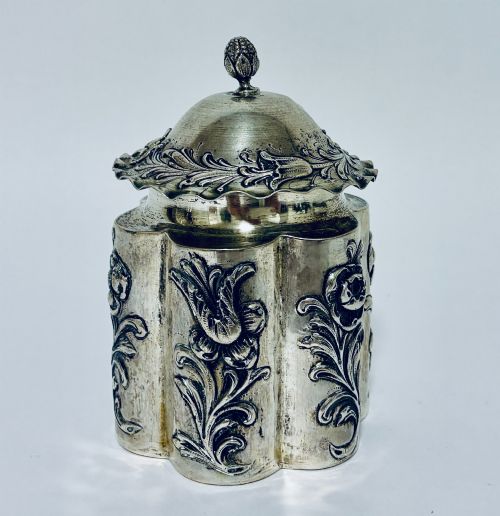
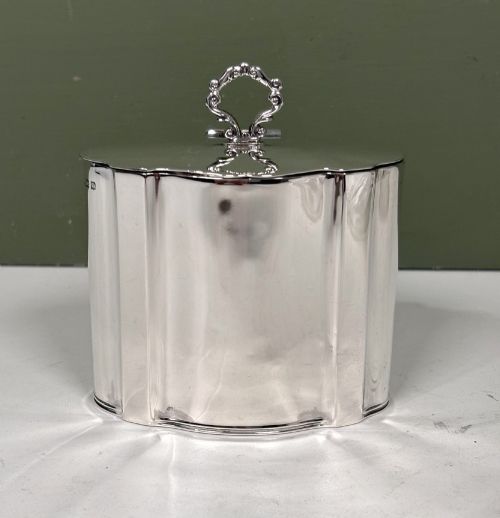
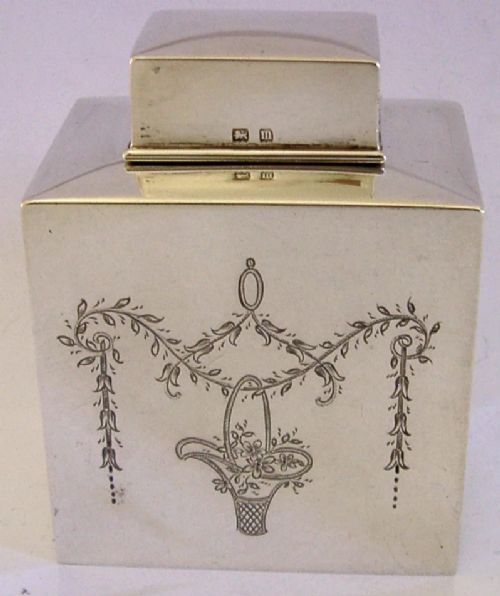
An antique tea canister jar encompasses diverse vessels designed to store dry leaves, ranging from cylindrical porcelain jars to rectangular sterling silver caddies and toleware containers. These pieces emerge primarily from 18th-century porcelain traditions and 19th- or early 20th-century silversmithing workshops.
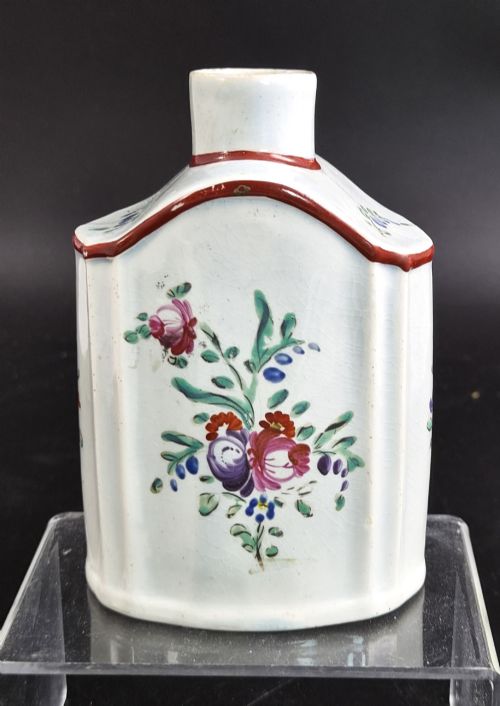
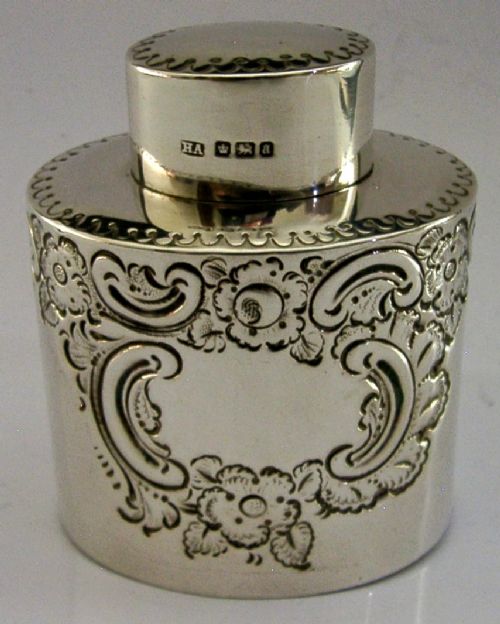
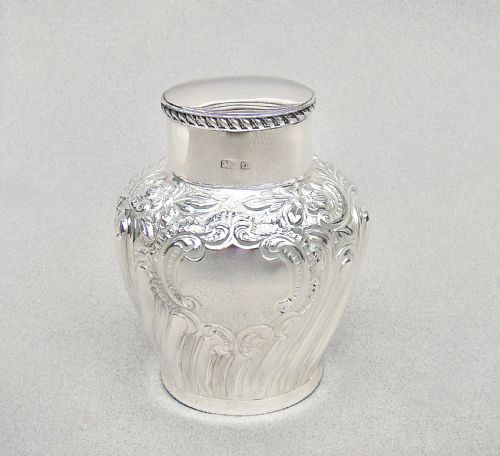
The version you are most likely to meet on this page is the sterling silver box, often stamped with hallmarks dating from the Victorian and Edwardian eras. Alongside metal containers, porcelain examples from Chinese export kilns and English factories appear frequently.
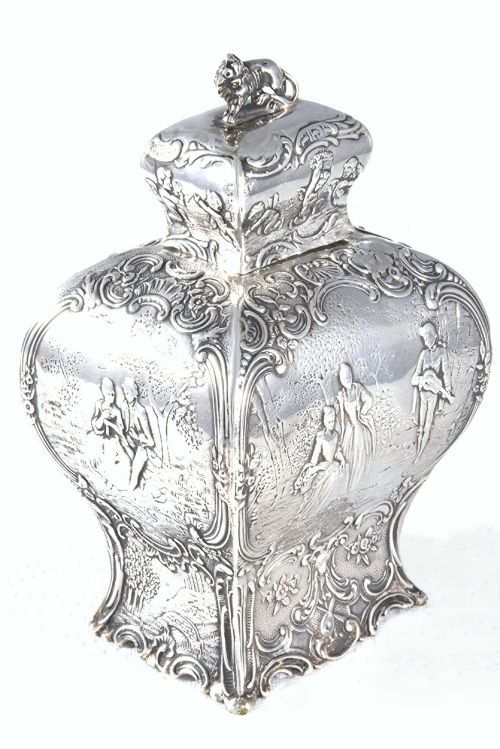
Forms vary from straightforward oval and circular canisters to bombé shapes, novelty paint tins, and carved bamboo cylinders. Many retain their original pull-off lids or secure covers designed to preserve the contents.
Materials and Technique
Metals form the backbone of these pieces, utilising sterling silver, silver plate, and old Sheffield plate shaped through hammering, casting, and repoussé work. Silversmiths constructed hinged or pull-off lids with tight tolerances to keep moisture away from stored leaves.
Ceramic canisters rely on soft-paste porcelain, pearlware, and crackle-glazed bodies decorated with underglaze blue, enamel colours, or gold leaf. Toleware examples employ painted metal bases finished with black grounds and gilt Chinoiserie motifs.
Listings feature 18th-century porcelain alongside 19th- and 20th-century silver canisters from British, continental, and Asian workshops.
Evaluating the Pieces
Quality rests on the weight of the metal, the clarity of the assay office hallmarks, and the crispness of hand-hammered or engraved details. Heavier gauge silver and thicker porcelain bodies indicate sturdier construction and greater durability.
Artistic execution distinguishes standard utility items from exceptional workshop output, particularly in hand-painted porcelain scenes or complex chased silver panels. Preservation of original gilding, surface decoration, and tight lid closures elevates a piece above worn or altered examples.
Charles Edwards·Thomas Hayes·Mappin and Webb·Goldsmiths and Silversmiths Co·Atkin Brothers
The Antique Tea Canister Jar Glossary
- Sterling silver
- A silver alloy containing 92.5 percent pure silver by mass, widely used by British silversmiths for durable domestic hollowware.
- Hallmark
- A series of official marks stamped on precious metals indicating the maker, purity standard, assay office, and year of production.
- Soft-paste porcelain
- A type of ceramic body composed of clay and glass frit, fired at lower temperatures than hard-paste porcelain and common in 18th-century English factories.
- Chinoiserie
- A European artistic style reflecting Chinese motifs and decorative techniques, frequently applied to lacquered toleware and ceramics.
- Pull-off lid
- A tightly fitted cover that lifts straight off the neck of a canister without a threaded screw or hinge.
Antique Tea Canister Jar: Frequently Asked Questions
How were tea canisters used?
These vessels sat in wealthy households to store expensive imported tea leaves safely away from humidity and light. Servants or hosts measured out precise amounts using matching spoons before locking the container.
Because tea was a costly commodity for centuries, the jars themselves doubled as status symbols displayed prominently in formal reception rooms.
How do I clean antique silver tea canisters?
Maintenance requires gentle washing with warm water and mild soap, followed by thorough drying with a soft cloth to prevent moisture spots. Avoid harsh chemical dips that strip away desirable patination and microscopic surface detail accumulated over decades.
Silver polish should be used sparingly and only with non-abrasive cloths, avoiding deep recesses where original dark contrast highlights the maker's engraving.
How do I distinguish silver plate from solid silver?
Examining the interior and base usually reveals hallmarks on solid sterling pieces, denoting specific towns, years, and makers. Silver-plated items lack these official assay marks and may show base metal peeking through worn highlights.
Weight also serves as a guide, since solid silver items feel substantially heavier than plated brass or copper alternatives of identical dimensions.
Can I still store tea inside these jars?
Modern storage remains possible if the container possesses a tight-fitting lid and a clean interior free of toxic residues or old metallic corrosion. Porous ceramics or unlined metals may require careful washing or an internal paper barrier to protect sensitive leaves.
Most collectors, however, display these pieces empty as decorative objects to preserve their historical surfaces and fragile interior linings.