
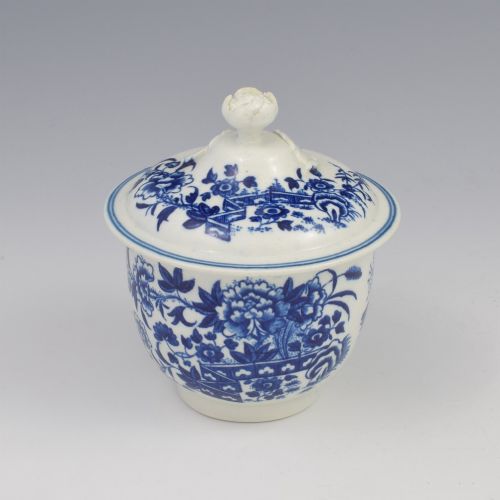


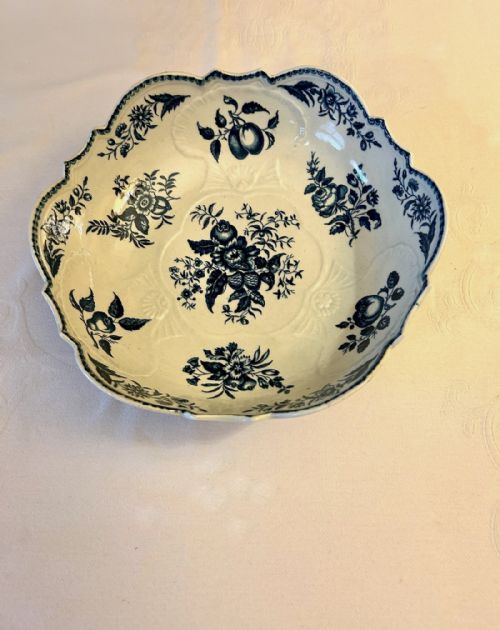
Antique Worcester Porcelain Bowl
An antique worcester porcelain bowl represents the pinnacle of eighteenth- and nineteenth-century ceramic craftsmanship, prized for delicate forms and hand-painted detail.
Antique Worcester Porcelain Bowl
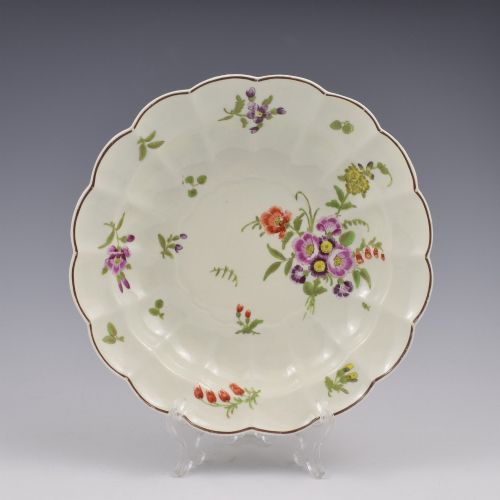
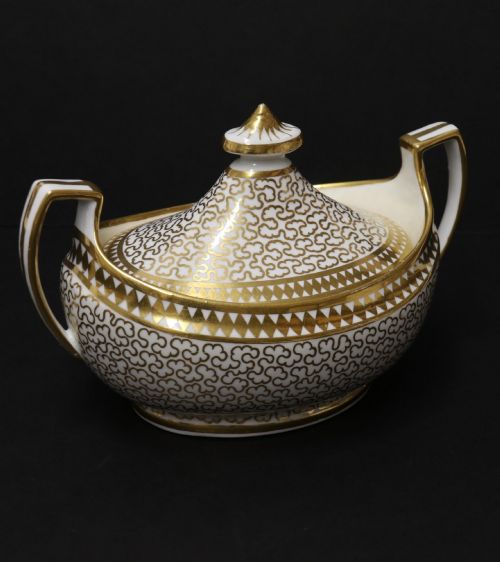
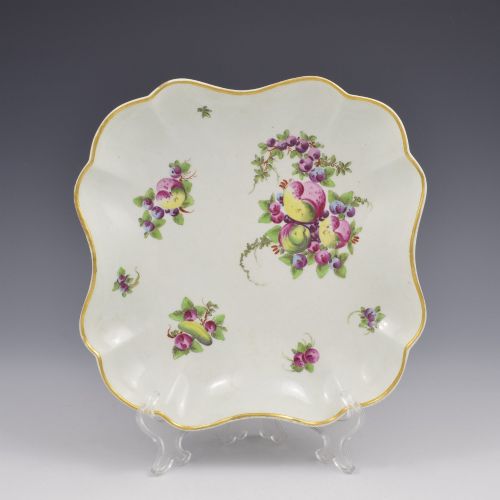
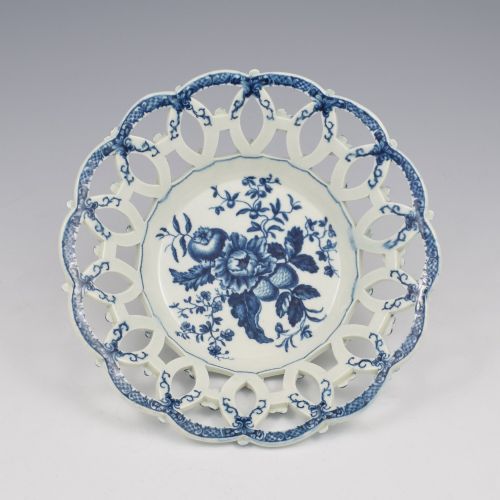
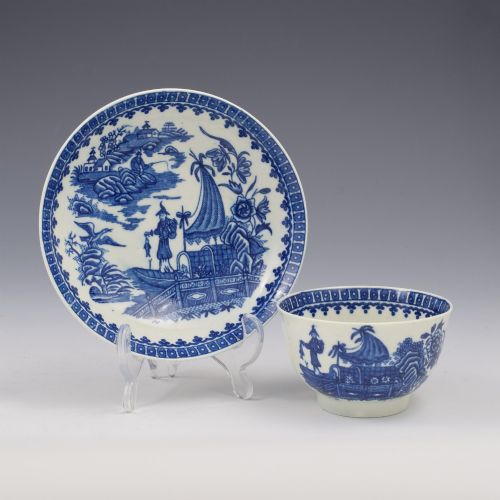
When you search for an antique worcester porcelain bowl, you encounter diverse domestic vessels spanning the eighteenth and nineteenth centuries, alongside later nineteenth- and twentieth-century decorative pieces. The selection includes sugar bowls, slop bowls, and punch bowls, which sit alongside related tableware items such as tea bowls, saucers, and dessert dishes.
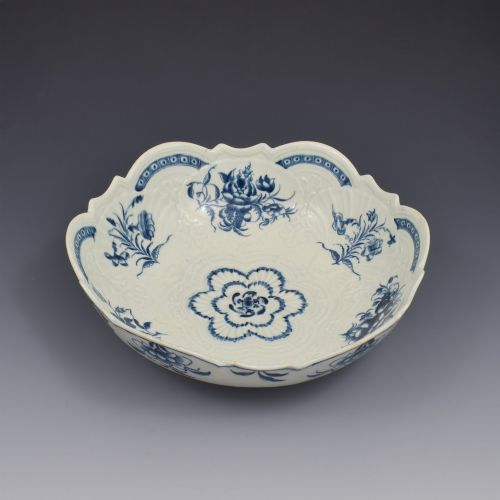
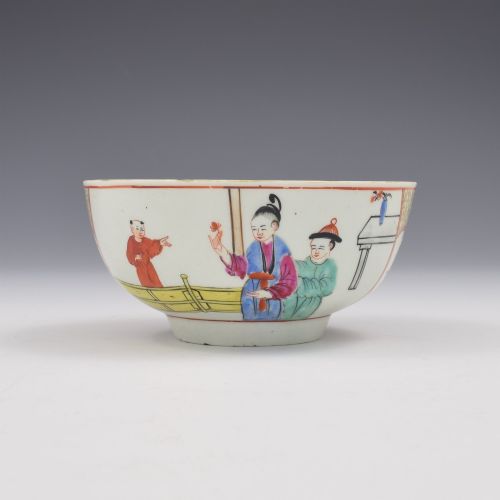
The eighteenth-century examples frequently feature blue and white transfer printing or hand-painted Chinese figures, whereas nineteenth-century pieces often display armorial designs or rich imari palettes. Later items from the twentieth century lean towards naturalistic painted fruit and blush ivory finishes.
Materials and construction
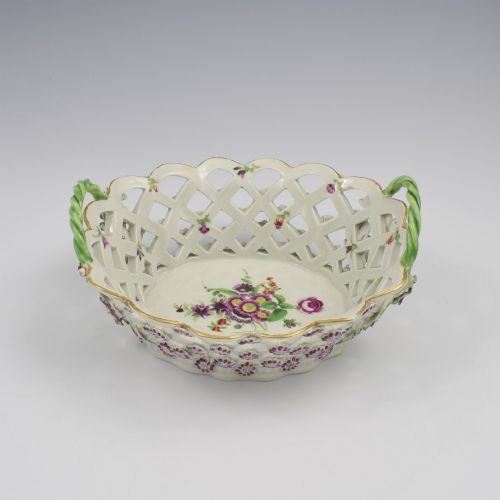
Makers utilised soft-paste porcelain during the eighteenth century, creating a dense body that absorbed cobalt glaze with distinctive depth. Potters shaped these pieces on the wheel or pressed them into moulds to form lobed bowls and baskets.
Decoration relied upon hand-applied enamel, cobalt glaze, and gold leaf or gilding. Artisans applied polychrome pigments and gilt highlights before secondary firing to fix the colours to the porcelain surface.
Early tea drinkers required dedicated slop bowls simply because nobody had invented the tea bag yet.
Assessing quality
Quality rests in the crispness of the moulding and the precision of the hand-painting, where freehand brushwork on early pieces displays greater fluidity than standard transfer prints. The richness of the cobalt glaze and the intact preservation of the gold leaf dictate the upper tiers of the range.
The weight and translucency of the porcelain body also distinguish finer output, alongside the clarity of period factory marks found on the base.
Dr Wall·Chamberlains Worcester·Flight Barr And Barr·Royal Worcester·Grainger And Co
The Antique Worcester Porcelain Bowl Glossary
- Soft-paste porcelain
- An artificial porcelain composition fired at lower temperatures than hard-paste, common in eighteenth-century English factories. It yields a warm, creamy tone under the glaze.
- Slop bowl
- A large bowl used during tea service to hold discarded tea leaves and dregs. These vessels often match contemporaneous tea bowls and saucers.
- Sucrier
- A covered sugar bowl designed for use on the tea table. They frequently feature matching lids and decorative handles.
- Cobalt glaze
- A deep blue metallic oxide pigment applied beneath the glaze before firing. It produces rich blue and white designs that remain stable at high temperatures.
- Imari
- A decorative style inspired by Japanese export wares featuring iron red, cobalt blue, and gilding. English factories adopted this palette during the Regency period.
Antique Worcester Porcelain Bowl: Frequently Asked Questions
How do I identify a First Period Worcester bowl?
First Period pieces generally date from the eighteenth century under the direction of Dr John Wall. They often bear crescent marks, square seal marks, or disguised numerals on the base.
The porcelain body displays typical soft-paste characteristics, including slight surface imperfections and greenish hues when viewed through strong transmitted light.
What is the difference between a slop bowl and a sugar bowl?
Slop bowls are typically larger vessels designed to receive discarded liquid and leaves from tea cups during formal eighteenth-century tea services. Sugar bowls, or sucriers, are usually smaller and accompanied by fitted lids to protect dry sugar contents.
While both share domestic tea table origins, their capacities and lid configurations set them apart.
When did the factory become Royal Worcester?
The firm received a royal warrant from George III in the late eighteenth century, operating through various partnerships including Flight and Barr. The official adoption of the Royal Worcester name occurred later in the nineteenth century as production methods modernised.
Pieces from this era often carry distinct crowned factory ciphers.