
Antique English Porcelain Bowl
An antique english porcelain bowl brings tangible eighteenth and nineteenth century artistry directly to a room through hand-painted florals, gilding, and historic ceramic forms.
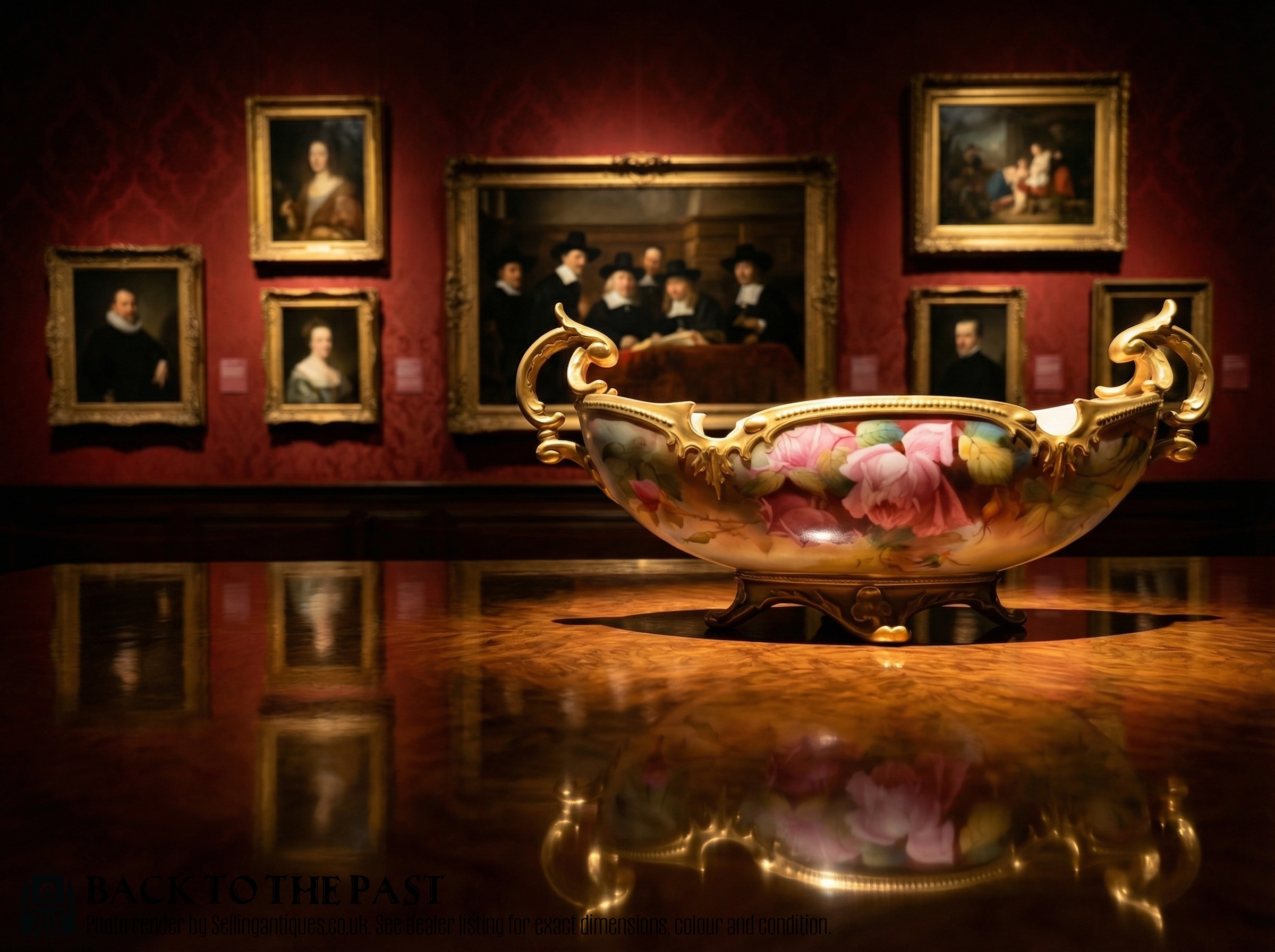
Antique English Porcelain Bowl
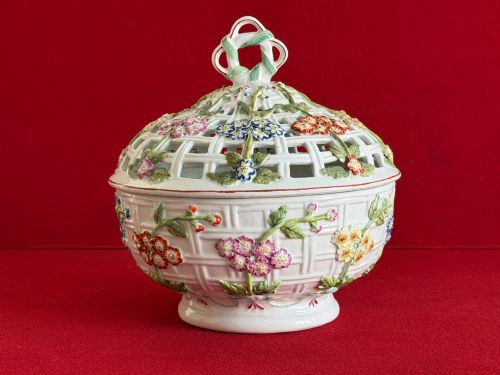
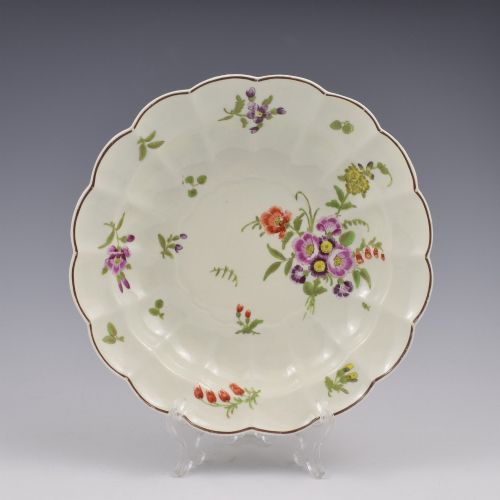
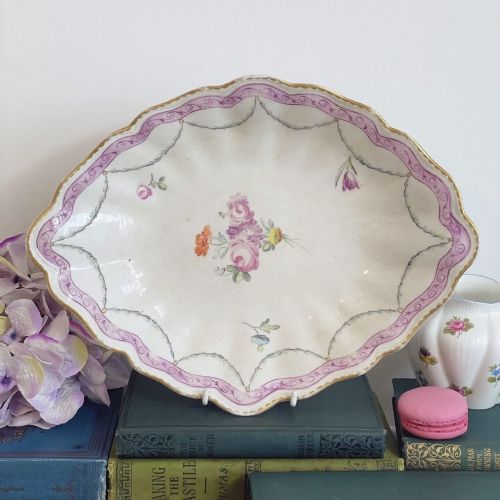
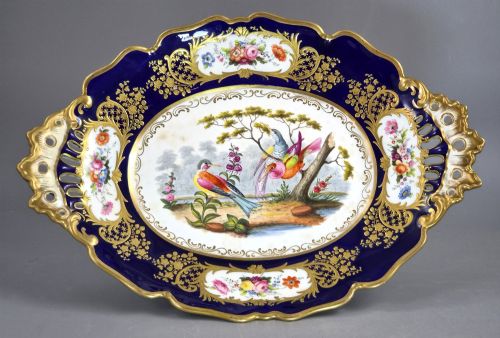
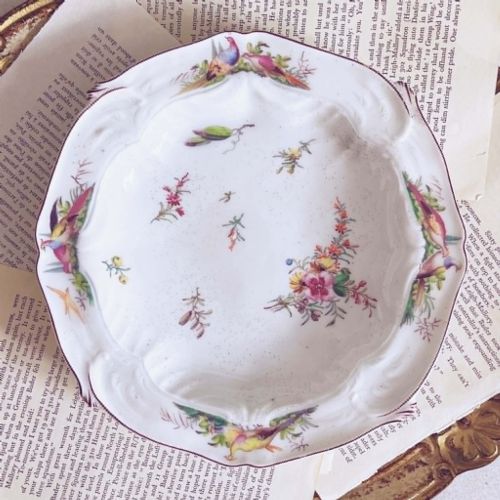
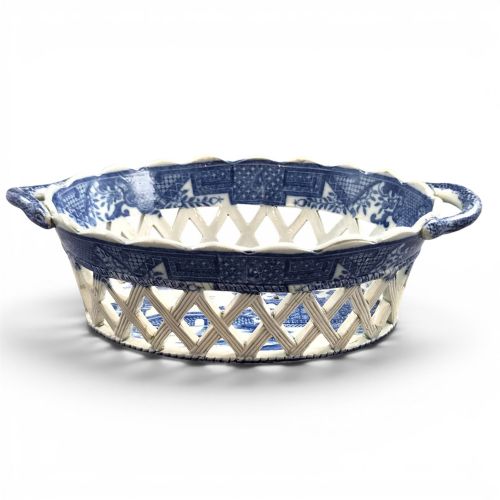
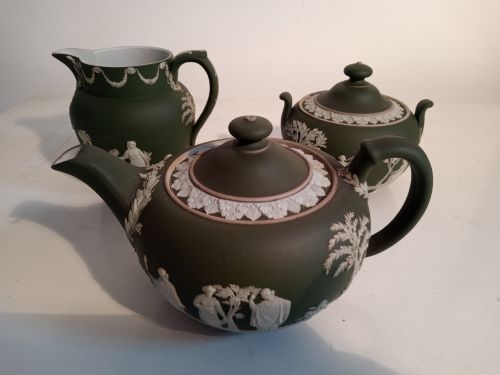
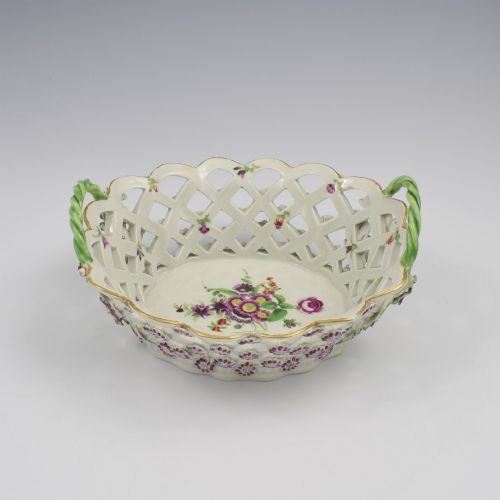
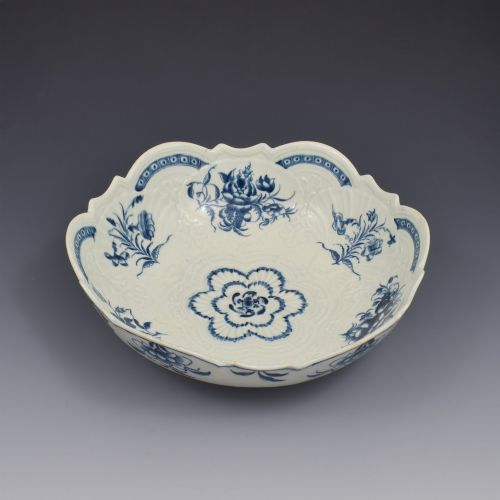
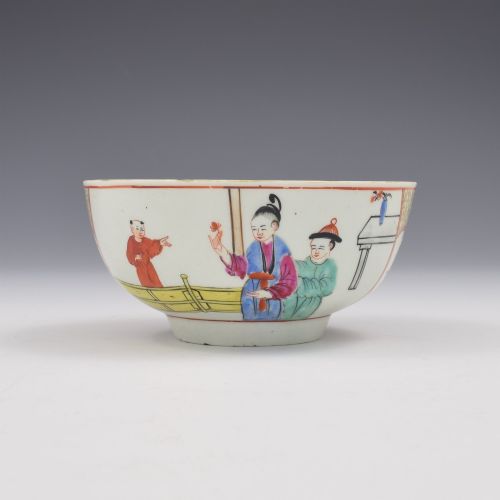
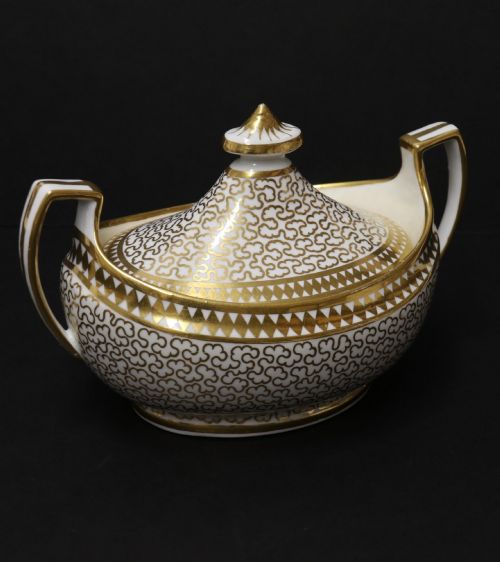
An antique english porcelain bowl encompasses utilitarian sugar basins, slop bowls, and decorative vessels produced across the eighteenth and nineteenth centuries. The pieces on this page span Georgian, Regency, and Victorian periods, reflecting diverse domestic uses from tea service to table display.
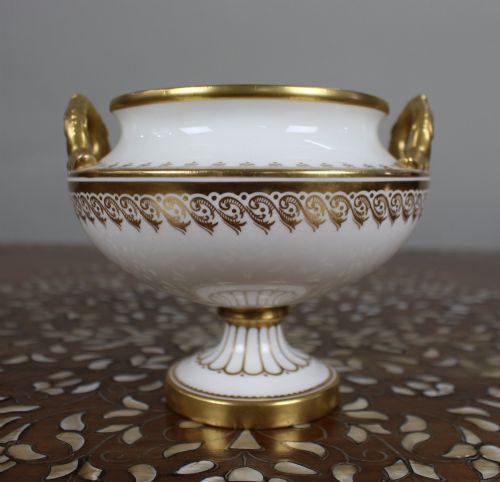
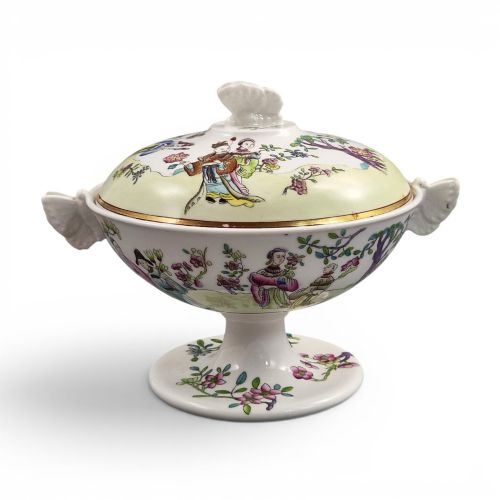
Buyers will frequently encounter sugar bowls, tea bowls, and larger decorative bowls originating from major historical potteries. These items showcase period-specific forms like lobed rims, pedestal bases, and fitted covers.
How they were made
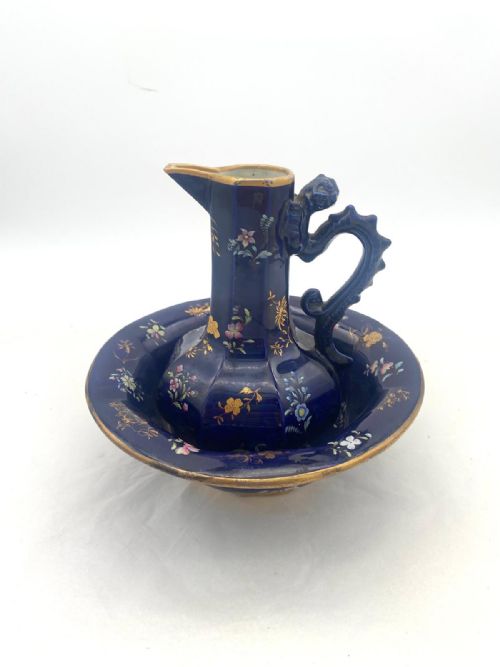
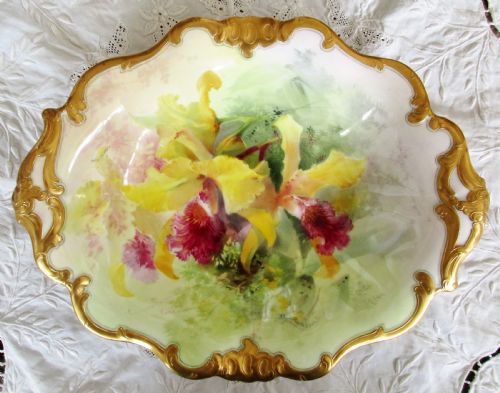
Potters utilised porcelain, soft-paste porcelain, bone china, and ironstone, shaping them into distinctive vessels before applying hand-painted polychrome or blue and white designs. Artisans frequently enriched these bodies with gold leaf, gilding, and enamel work to highlight moulded details.
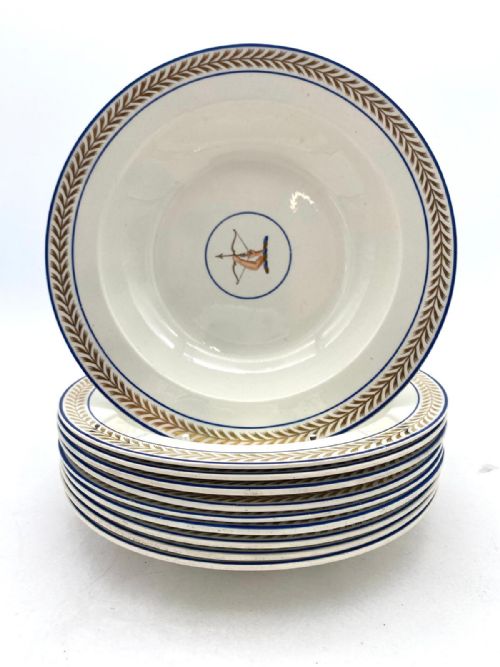
Kiln firing set the ceramic body and underglaze pigments, followed by subsequent lower-temperature firings for enamel colours and gilding. Skilled hands then applied intricate botanical motifs, Chinese figures, or armorial crests.
Antique English Porcelain Bowl Retail Price Guide 2026
Typical asking prices for english porcelain bowl among the pieces listed under this phrase on Sellingantiques today, from the lower quarter to the upper quarter. They describe what is for sale here now, not the wider market.
Listings feature porcelain pieces spanning the eighteenth century through the Edwardian period, incorporating soft-paste porcelain, bone china, and ironstone.
What varies in quality
Quality rests in the precision of the hand-painted decoration, the crispness of the porcelain moulding, and the preservation of the original gilding and enamel colours. Superior examples display sophisticated brushwork and well-balanced forms.
The sophistication of the ceramic paste, such as early soft-paste versus later refined bone china, influences the translucency and weight of the vessel. Maker attribution and pattern complexity further distinguish high-tier pieces.
Derby Porcelain·Worcester Porcelain·Coalport·Chelsea·Masons Ironstone·Spode·Wedgwood·Chamberlains Worcester·Royal Doulton·Minton·Rockingham·Royal Crown Derby
The Antique English Porcelain Bowl Glossary
- Soft-paste porcelain
- An early ceramic composition of clay, glass, and frit fired at lower temperatures than hard-paste. This material creates a warm, creamy body with a distinctive glaze texture.
- Bone china
- A porcelain variation incorporating bone ash into the ceramic mixture. This addition produces a strong, highly translucent white body.
- Slop bowl
- A matching basin used during eighteenth and nineteenth century tea services to hold tea leaves and dregs. These vessels frequently form part of larger tea or breakfast sets.
- Sucrier
- A covered ceramic sugar basin designed for the tea table. They often feature matching lids and decorative handles.
- Imari
- A decorative style inspired by Japanese export wares featuring iron red, cobalt blue, and gold. This palette appears widely on nineteenth century pieces.
Antique English Porcelain Bowl: Frequently Asked Questions
How were antique bowls used?
These vessels served various domestic roles, ranging from sugar storage and tea slops to decorative table displays and dessert service. Households utilised them daily during formal dining and tea rituals.
Over time, many surviving pieces transitioned from functional dining ware to cabinet display objects collected for their artistic and historical merit.
How do I date a porcelain bowl?
Dating relies on examining factory marks, ceramic bodies, and decorative styles characteristic of periods like Georgian or Regency. Soft-paste bodies and specific blue underglaze marks often indicate eighteenth-century origin.
Comparing pattern numbers and stylistic motifs against known factory production windows helps narrow the manufacturing date further.
What is the difference between soft-paste and bone china?
Soft-paste porcelain is an earlier ceramic recipe combining glass and frit, resulting in a softer, warmer glaze appearance. It was widely used by eighteenth-century factories before bone china became dominant.
Bone china incorporates animal bone ash, creating a durable, intensely white, and highly translucent material that suited the refined aesthetics of the nineteenth century.
How do I care for antique porcelain?
Display or store these vessels in stable environments away from extreme temperature fluctuations and direct sunlight. Gentle handling protects fragile handles, lids, and delicate gilt edges.
Hand washing in lukewarm water with mild soap is recommended when cleaning is necessary, avoiding abrasive materials that can damage historical enamels.